I was standing in my tiny kitchen, a half‑empty pantry, and a sudden craving for something that could satisfy both my stomach and my sanity. I tossed a bag of frozen veggies into the microwave, stared at a lonely bowl of leftover rice, and thought, “What if I could turn this into a masterpiece in ten minutes?” The answer arrived in the form of a sizzle that echoed off the stainless steel, a fragrant cloud of garlic and ginger that made my neighbors peek through their doors, and a daring promise that I could pull off restaurant‑quality fried rice without breaking a sweat. I dared myself to make it, and I’m still shaking my head at how easy it was.
Picture this: the pan is hot enough to make a whispering hiss, the veggies are bright orange and green, and the rice is a glossy, caramel‑kissed canvas. The aroma of sesame oil and soy sauce swirls around you like a warm hug, and the crackle of the wok is the soundtrack to a kitchen victory. You’ll hear the faint pop of the vegetables, feel the heat radiating from the pan, see the rice turning golden at the edges, and taste that perfect balance of salty, nutty, and just‑right‑crunchy. It’s a sensory overload that makes you forget the clock—until you glance at it and realize you’ve only spent ten minutes.
Most fried‑rice recipes either drown the dish in oil, over‑complicate the steps, or forget the crucial “day‑old rice” rule that gives that coveted texture. I’ve tried them all, and most get this completely wrong. This version, however, respects the rice, celebrates the vegetables, and uses a simple technique that locks in flavor while keeping the prep lightning fast. The secret? A splash of sesame oil at the end that coats every grain like velvet, and a quick scramble of eggs that adds silkiness without turning the dish into an omelette.
I’ll be honest — I ate half the batch before anyone else could even grab a spoon, and I’m still daring you to taste this and not go back for seconds. There’s a tiny twist hidden in the recipe that most cooks overlook, and I’m spilling the beans (or rather, the sesame seeds) right here. Let me walk you through every single step — by the end, you’ll wonder how you ever made it any other way.
What Makes This Version Stand Out
- Flavor Explosion: A balanced combo of soy, sesame, and fresh aromatics creates a depth that feels like a five‑star takeout without the takeout price.
- Texture Triumph: Day‑old rice stays separate, giving you that satisfying bite‑and‑crunch that soggy rice can never achieve.
- Speedy Simplicity: From pan to plate in ten minutes, perfect for busy weeknights when you need both nutrition and gratification.
- Ingredient Integrity: We keep the veggies crisp and colorful, preserving their natural sweetness and nutrients.
- Crowd‑Pleaser: Even the pickiest eaters can’t resist the golden edges and the subtle sesame finish.
- Budget‑Friendly: Uses pantry staples and frozen veggies, so you won’t need a trip to the specialty store.
- Make‑Ahead Magic: Cooked rice can be pre‑made and stored, turning this into a true make‑ahead meal.
- Versatile Base: The dish welcomes protein swaps, spice tweaks, and garnish upgrades without losing its core identity.
Inside the Ingredient List
The Flavor Base
First up, the aromatics: minced garlic and freshly grated ginger. These two powerhouses provide a fragrant foundation that awakens the palate. If you skip them, the dish will taste flat, like a song missing its chorus. A good tip is to crush the garlic with the flat side of a knife before mincing—it releases more oils and gives that extra punch.
The Texture Crew
The mixed vegetables (a blend of peas, carrots, and corn) bring color, sweetness, and a satisfying snap. Using frozen vegetables is a time‑saver, but fresh alternatives work just as well—just blanch them quickly to keep the crunch. The day‑old rice is the unsung hero; its drier texture prevents clumping and lets the soy sauce glaze each grain individually.
The Unexpected Star
Sesame oil isn’t just a garnish; it’s the finishing touch that transforms ordinary fried rice into a dish that feels luxurious. A drizzle at the end coats every grain like a silk shawl, adding a nutty aroma that lingers in the kitchen. If you’re allergic or avoid sesame, try a light splash of toasted peanut oil for a similar depth.
The Final Flourish
A quick scramble of two eggs adds richness without turning the dish into a frittata. The eggs should be added after the rice has browned, allowing them to coat the grains in a glossy veil. Finally, a sprinkle of toasted sesame seeds adds a subtle crunch and visual flair that makes the plate pop.
Everything's prepped? Good. Let's get into the real action...
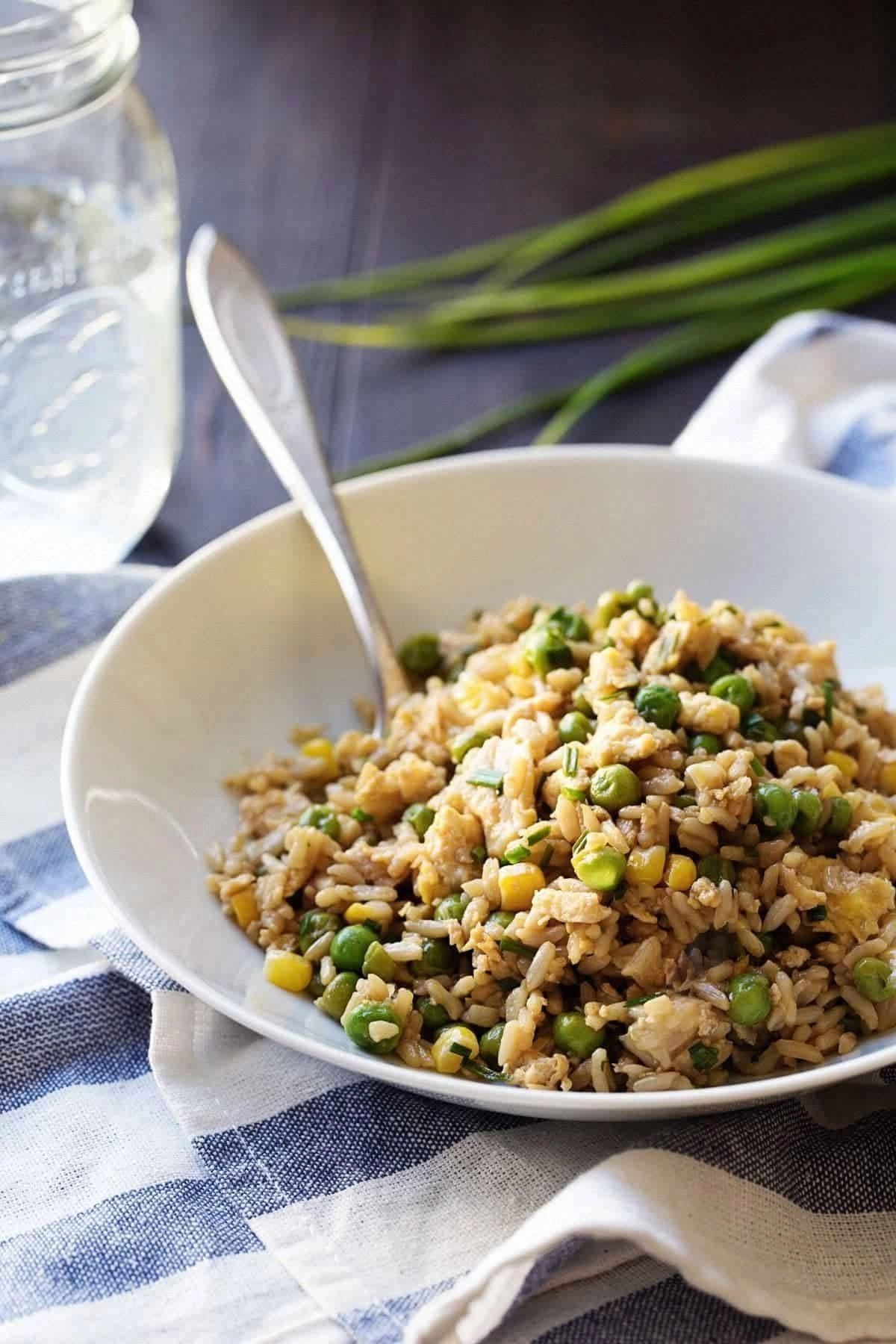
The Method — Step by Step
Heat a large wok or skillet over medium‑high heat until a drop of water dances and evaporates within two seconds. Add 1 tbsp vegetable oil, swirling to coat the surface. The oil should shimmer, not smoke; this is the first sign you’re on the right track.
Add the minced garlic and grated ginger, stirring quickly. Within 30 seconds you’ll hear a gentle sizzle and smell a sweet, peppery perfume that tells you the aromatics are waking up. Keep the heat steady—burnt garlic will turn bitter.
Introduce the mixed vegetables, spreading them in an even layer. Let them sit untouched for about a minute so the bottom side gets a light caramelization. You’ll hear a faint crackle as the sugars caramelize, creating those coveted golden specks.
Stir the veggies, then push them to the side of the pan. Add the beaten eggs to the cleared space, letting them set for 10 seconds before scrambling gently. Here’s where many cooks slip up: if you over‑stir, the eggs become ribbons that coat the rice unevenly.
Watch Out: Keep the heat medium‑high but not blazing; too hot and the eggs will seize, turning rubbery instead of silky.Once the eggs are just set but still a little runny, fold them into the vegetables. Then, add the day‑old rice, breaking up any clumps with the back of your spatula. The rice should sizzle as it hits the pan, releasing a faint toasted aroma that signals it’s beginning to brown.
Drizzle the soy sauce and sesame oil evenly over the rice, then toss everything together. The sauce should coat each grain, giving it a glossy sheen. If the mixture looks dry, add a splash more soy sauce; if it looks too wet, let it fry a minute longer.
Season with black pepper, a pinch of salt if needed, and the sliced green onion whites. Taste and adjust—this is the moment of truth. The flavors should be balanced: salty, nutty, a hint of heat, and a fresh green bite.
Turn off the heat, sprinkle the toasted sesame seeds and the green onion greens over the top, and give one final gentle toss. Serve immediately while the rice is still steaming hot. That sizzle when it hits the pan? Absolute perfection.
That's it — you did it. But hold on, I've got a few more tricks that'll take this to another level...
Insider Tricks for Flawless Results
The Temperature Rule Nobody Follows
Never let the pan cool between steps. Consistent heat ensures the rice gets those coveted crispy edges. If you notice the pan losing its sizzle, crank the burner back up for a few seconds. A quick press‑flip (as mentioned earlier) at the right temperature makes the rice sing.
Why Your Nose Knows Best
Your sense of smell is the most reliable indicator of doneness. When the rice starts to emit a toasted, nutty fragrance, you’re close to the perfect caramelization. If it still smells raw, give it another minute. Trust that nose over a timer; it’s the secret weapon of seasoned chefs.
The 5‑Minute Rest That Changes Everything
After plating, let the fried rice sit for about five minutes. This brief rest lets the flavors meld and the steam finish cooking any stubborn rice bits. Skipping this step can leave you with a dish that feels disjointed, like a conversation with missing pauses.
Egg Integration Mastery
Add the eggs when they’re still slightly runny; they’ll continue cooking as you fold them into the rice, creating a silkier texture. Over‑cooking the eggs turns them rubbery and prevents that glossy coating. A quick scramble, not a full scramble, is the sweet spot.
The Soy Sauce Swap
If you crave a deeper umami, replace half of the regular soy sauce with dark soy sauce. Dark soy adds color and a richer flavor without overwhelming saltiness. A friend once tried using only light soy and complained the dish was “too watery.” The balance is key.
Creative Twists and Variations
This recipe is a playground. Here are some of my favorite ways to switch things up:
Spicy Sriracha Surge
Add a tablespoon of sriracha and a drizzle of honey for a sweet‑heat combo. The heat elevates the dish, while honey smooths the edge, making it perfect for spice lovers.
Curry‑Infused Delight
Stir in a teaspoon of curry powder with the aromatics. The warm, earthy notes transform the fried rice into a comforting, fragrant side that pairs well with grilled tofu.
Mushroom Medley
Swap half the mixed vegetables for sliced shiitake or button mushrooms. The umami from the mushrooms deepens the overall flavor profile, making the dish heartier.
Crispy Tofu Crunch
Cube firm tofu, toss in cornstarch, and fry until golden before adding to the wok. The tofu adds protein and a satisfying crunch that rivals the rice’s edges.
Herbaceous Green
Finish with a handful of fresh basil or cilantro instead of green onions. The herbaceous freshness brightens the dish, perfect for summer evenings.
Storing and Bringing It Back to Life
Fridge Storage
Transfer leftovers to an airtight container and refrigerate within two hours. It will keep for up to three days. When reheating, add a splash of water or broth to restore moisture before microwaving or stir‑frying.
Freezer Friendly
Portion the fried rice into freezer‑safe bags, removing as much air as possible. Freeze for up to two months. Thaw overnight in the fridge, then reheat in a hot wok with a drizzle of oil for best texture.
Best Reheating Method
The stovetop win every time. Heat a tablespoon of oil, add the rice, and toss over medium‑high heat for 3‑4 minutes. Add a teaspoon of water, cover briefly, and let steam revive the grains. The result is as close to fresh as you’ll get.