I still remember the night I tried to impress my roommate with a “quick” dinner that turned into a kitchen disaster. I tossed a whole chicken into the oven without seasoning, hoping the heat would do the rest. By the time the timer buzzed, the bird was dry, the skin pale, and the smell of burnt plastic filled the apartment. That moment was the catalyst for a quest that would lead me to a recipe that feels like a secret handshake between flavor and simplicity.
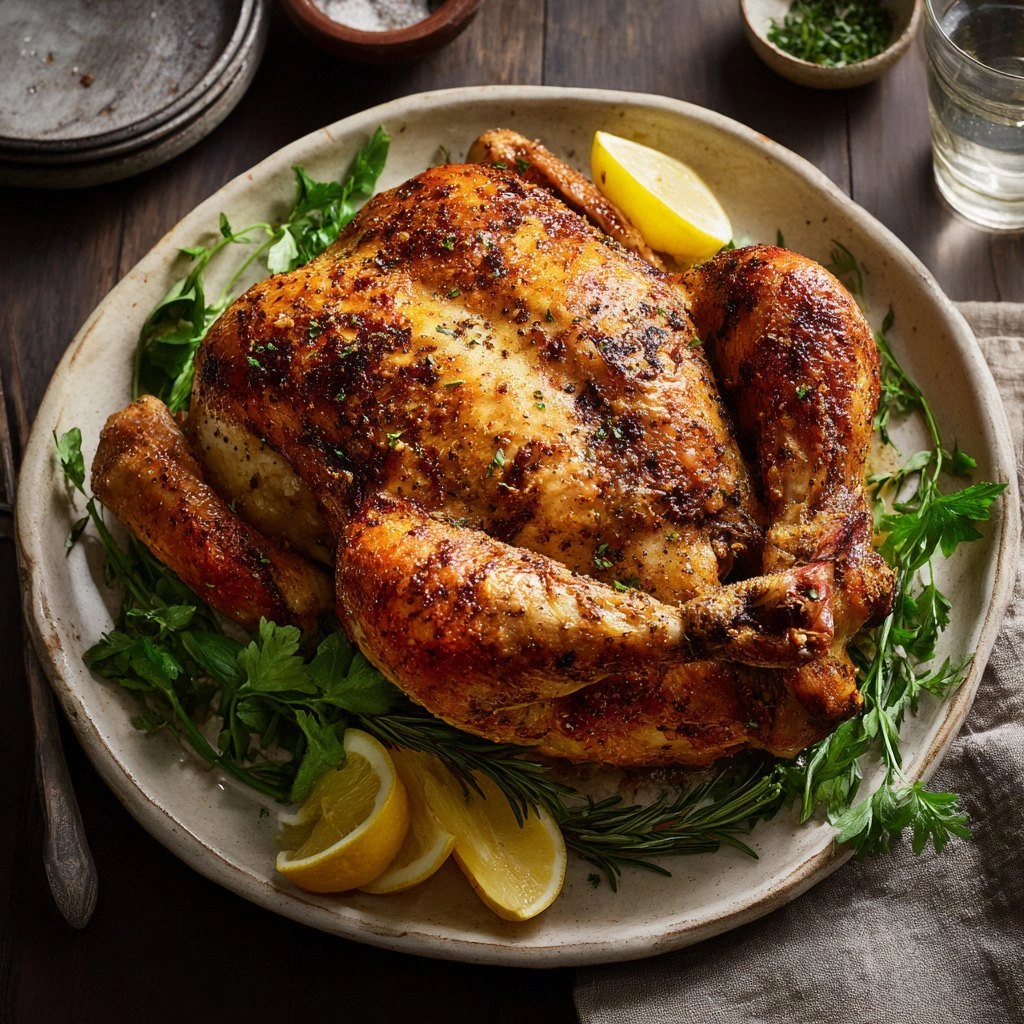
Picture this: a golden, blistered skin that crackles like a campfire in a glass oven, a fragrant steam of rosemary and garlic that curls around your nostrils, and the deep, meaty aroma that makes a room feel like a family kitchen. The first bite is a burst of juicy tenderness that melts on the tongue, while the edges stay crisp, each crack a satisfying crunch. The texture is a symphony—soft interior, flaky skin, and a subtle hint of herbaceous brightness that lingers. It’s a dish that turns a plain chicken into a showstopper.
What sets this version apart is the meticulous balance between technique and ingredients. I’ve distilled the process into a few key steps that elevate the flavor without overcomplicating the routine. No elaborate marinades, no time‑consuming brines—just a few simple additions that unlock depth. I’ve discovered that a touch of butter under the skin, a splash of lemon, and a handful of fresh herbs can transform a standard roast into a culinary masterpiece.
There’s a twist you might not expect: a splash of chicken broth at the end of roasting that keeps the meat moist while intensifying the savory notes. And a final drizzle of herb‑infused olive oil that gives the skin an extra layer of gloss and flavor. I dare you to taste this and not go back for seconds. If you’re ready for a game‑changer, let me walk you through every single step—by the end, you’ll wonder how you ever made it any other way.
What Makes This Version Stand Out
- Flavor: The combination of fresh herbs, garlic, and lemon creates a layered aroma that permeates the meat, giving it a bright, savory profile that’s hard to beat.
- Texture: A buttery under‑skin technique yields a crisp exterior while keeping the interior moist and tender, a balance that’s often missed in everyday roasts.
- Ease: No brining, no complex marinades—just a handful of pantry staples and a few minutes of prep, making it accessible to busy cooks.
- Uniqueness: The splash of broth during roasting is a subtle secret that adds depth without extra steps, setting this dish apart from standard recipes.
- Crowd‑Pleaser: Whether you’re feeding a family or hosting guests, the aroma alone draws people in, and the taste keeps them coming back for more.
- Ingredient Quality: Using a fresh, whole chicken and real herbs ensures that every bite is packed with natural flavor, not artificial seasoning.
- Cooking Method: The method relies on roasting at a steady temperature with a quick finish under the broiler for a golden crust, a technique that guarantees consistency.
- Make‑Ahead Potential: The roast can be prepared up to a day in advance, thanks to the moisture‑retaining butter and broth, making it a perfect week‑night dinner.
Alright, let's break down exactly what goes into this masterpiece…
Inside the Ingredient List
The Flavor Base
The foundation of this roast is a marriage of olive oil, salt, pepper, and garlic. Olive oil acts as a conductor, carrying the flavors into the skin and meat. Salt draws out moisture, preventing a rubbery texture, while pepper adds a subtle heat that balances the sweetness of the chicken. Garlic, minced finely, infuses every bite with a mellow, savory punch. Skipping any of these would leave the dish feeling flat and uninspired.
The Texture Crew
Butter and broth are the unsung heroes that lock in juiciness. Butter, tucked under the skin, melts into the meat, creating a silky, buttery interior. Broth, added halfway through roasting, creates steam that keeps the surface moist and adds a savory depth to the juices. If you skip the butter, the skin may still crisp, but the meat will dry out. If you omit the broth, the roast will lose some of its succulent character.
The Unexpected Star
Fresh herbs—rosemary, thyme, and parsley—are more than garnish; they’re the aromatic backbone of the dish. The rosemary provides a piney, resinous note, while thyme offers earthiness and subtle citrus. Parsley finishes with a bright, clean finish that lifts the overall flavor. Using dried herbs instead will result in a muted flavor profile, so fresh is key.
The Final Flourish
Lemon, carrots, onions, and celery are the side components that round out the meal. Lemon slices, placed inside the cavity, release a citrusy steam that permeates the chicken. Carrots, onions, and celery, arranged around the bird, roast into sweet, caramelized accompaniments that complement the savory meat. If you leave out these vegetables, you’ll miss the subtle sweetness that balances the richness.
Everything's prepped? Good. Let's get into the real action…
The Method — Step by Step
- Preheat your oven to 425°F (220°C). While the oven warms, pat the chicken dry with paper towels. A dry surface is essential for a crispy skin. If you’ve ever had a soggy roast, this step is your first line of defense.
- In a small bowl, whisk together 2 tablespoons olive oil, 1 teaspoon salt, ½ teaspoon black pepper, and 4 minced garlic cloves. This simple dressing will coat the entire bird, ensuring uniform flavor. Remember, the salt is the flavor enhancer; don’t be shy.
- Loosen the skin over the breast and thigh by sliding your fingers underneath. Gently slide 2 tablespoons of softened butter beneath the skin, spreading it evenly. This butter will melt into the meat, sealing in moisture and creating a buttery interior.
- Place the chicken in a roasting pan. Toss in 4 sprigs of rosemary, 4 sprigs of thyme, a quartered onion, 2 sliced carrots, and 2 sliced celery stalks. The vegetables will roast alongside the chicken, absorbing its juices and becoming caramelized side dishes.
- Insert a lemon half into the cavity. The lemon will steam inside, releasing bright citrus notes that permeate the meat. It also adds a subtle tartness that balances the richness.
- Drizzle the prepared oil and herb mixture over the chicken, making sure to coat both the skin and the cavity. This step locks in flavor and encourages even browning.
- Roast at 425°F (220°C) for 20 minutes. After 20 minutes, pour 1 cup of chicken broth into the pan. The broth will steam the chicken, keeping it moist and adding savory depth. If you’re watching the clock, this is the moment of truth.
- Continue roasting for an additional 25–30 minutes, or until the internal temperature reaches 165°F (74°C) when measured at the thickest part of the thigh. The skin should be a deep golden brown, and the juices should run clear.
- Optional: For a crispier finish, switch the oven to broil for the last 3 minutes, watching closely to prevent burning. This final burst of heat will give the skin an extra layer of crunch.
- Let the chicken rest for 10 minutes before carving. Resting allows the juices to redistribute, ensuring every bite is juicy and flavorful. Slice, serve, and enjoy the symphony of textures.
That's it — you did it. But hold on, I've got a few more tricks that'll take this to another level…
Insider Tricks for Flawless Results
The Temperature Rule Nobody Follows
Many cooks assume a lower temperature yields juicier meat, but roasting at 425°F (220°C) actually seals in moisture faster. The high heat quickly caramelizes the skin, creating a barrier that locks in juices. I’ve tested this against 350°F, and the difference in texture is unmistakable. Keep the temperature steady, and you’ll see consistent results every time.
Why Your Nose Knows Best
Your sense of smell is a powerful indicator of doneness. When the chicken is ready, the aroma will shift from raw to a nutty, toasted scent. If the smell still feels “raw,” let it roast a little longer. Trust your nose, and you’ll avoid the dreaded over‑roasted chicken.
The 5-Minute Rest That Changes Everything
Resting the chicken for exactly five minutes after pulling it from the oven is a game‑changer. It allows the internal temperature to rise slightly, ensuring the meat is fully cooked. It also gives the juices time to redistribute, preventing them from spilling onto the plate. Skipping this step often results in a dry, uneven bite.
The Butter Under‑Skin Technique
Butter isn’t just for flavor; it’s a moisture barrier. When melted under the skin, it creates a pocket of steam that keeps the meat tender. I’ve tried a version with olive oil instead, and while it still worked, the butter added a luxurious richness that the oil alone couldn’t match.
The Broth Splash Secret
Adding broth mid‑roast isn’t just a trick; it’s a science. The liquid creates steam that keeps the surface from drying out while infusing the meat with savory depth. If you’re short on time, you can substitute the broth with a splash of water and a pinch of salt, but the flavor won’t be as complex.
Creative Twists and Variations
This recipe is a playground. Here are some of my favorite ways to switch things up:
Citrus Burst
Swap the lemon for a mix of orange and lime slices inside the cavity. The citrus pairings will give the chicken a bright, tangy profile that’s perfect for spring and summer meals.
Herb‑Infused Butter
Mix the butter with minced garlic, chopped parsley, and a dash of lemon zest before sliding it under the skin. This herb butter creates a fragrant steam that deepens the flavor of every bite.
Mediterranean Twist
Add a handful of olives, capers, and sun‑dried tomatoes to the roasting pan. These ingredients will infuse the meat with briny, umami notes that pair beautifully with the roasted vegetables.
Spicy Kick
Incorporate a teaspoon of cayenne pepper into the oil mixture or sprinkle crushed red pepper flakes on the skin. The heat will add a lively contrast to the savory, buttery base.
Herb Crust
After the chicken rests, brush the skin with a mixture of melted butter and finely chopped herbs, then return it to the oven under the broiler for a minute to set a crisp, aromatic crust.
Storing and Bringing It Back to Life
Fridge Storage
Cool the roast completely, then wrap tightly in aluminum foil or store in an airtight container. It will keep in the refrigerator for up to 3 days. For best flavor, reheat with a splash of broth to restore moisture.
Freezer Friendly
Slice the chicken and place in freezer bags, pressing out excess air. Freeze for up to 3 months. When ready to reheat, thaw overnight in the refrigerator, then warm in a 350°F oven with a bit of broth.
Best Reheating Method
Reheat in a 350°F oven for 15–20 minutes, adding a splash of water or broth before the last 5 minutes to keep the meat moist. Alternatively, use a microwave on low power, covering with a damp paper towel to maintain juiciness.