Picture this: a sweltering July afternoon, the kitchen a chaotic symphony of sizzling pans, a pot of boiling water, and a frantic search for the perfect side dish that feels both refreshing and indulgent. I was standing in front of the fridge, staring at a bunch of limp asparagus, a can of white beans that had been sitting there since last month, and a bag of sugar snap peas that looked like it had been waiting for a summer romance. My friends had dared me to create something that would make them forget about the bland salads that always end up on the back of the fridge. I dove into the pantry, pulled out capers, pistachios, and a jar of grainy mustard, and the kitchen transformed into a laboratory of flavor. If you’re wondering what makes this recipe a game‑changer, stay tuned—because I’m about to walk you through every single step and prove that this is hands down the best version you’ll ever make at home.
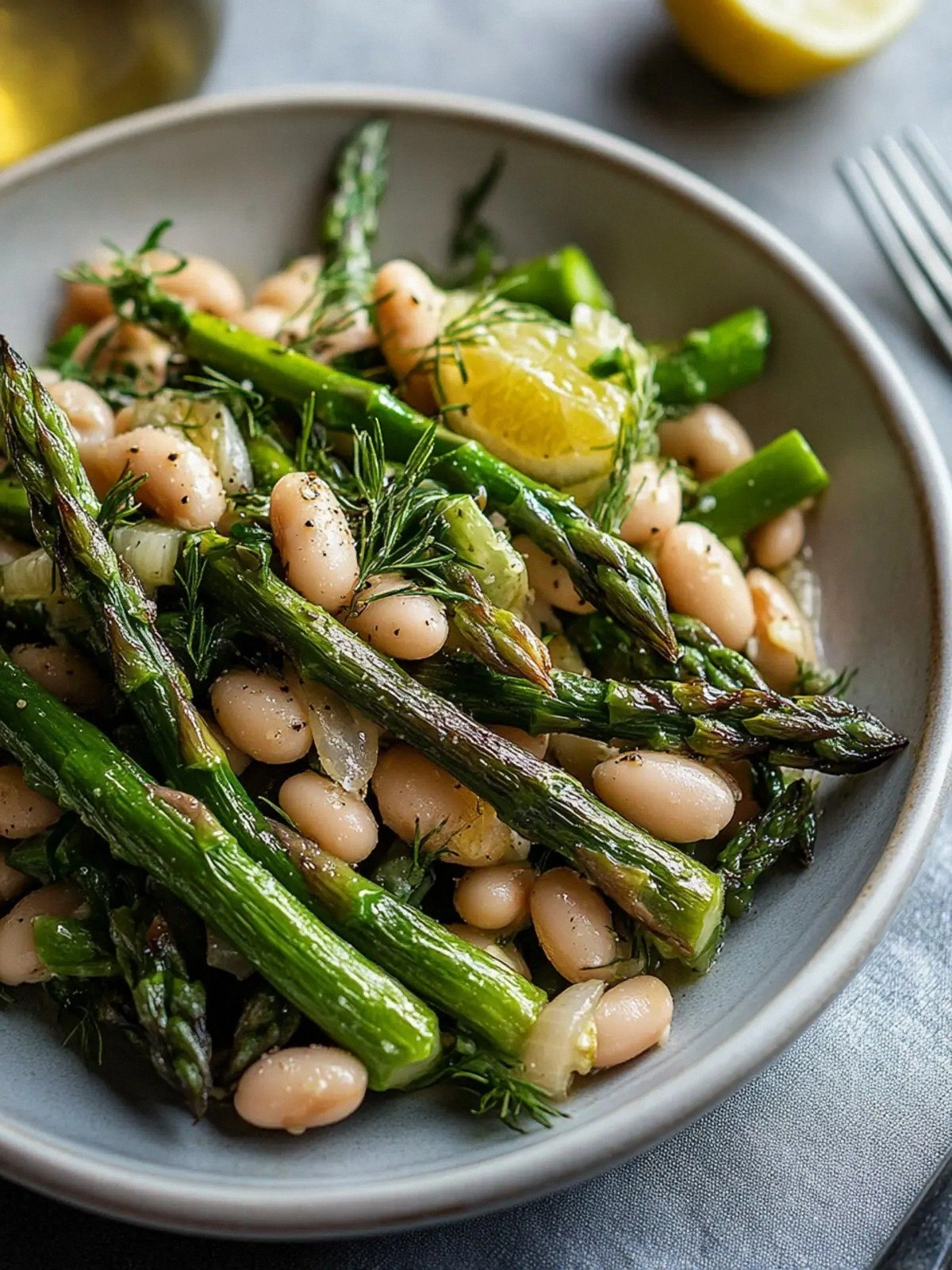
It’s not just the ingredients that set this dish apart; it’s the way they dance together. The asparagus, when grilled to a crisp edge that shatters like thin ice, releases a smoky sweetness that anchors the entire dish. The white beans, plump and creamy, act like a gentle hug, soaking up the tang of lemon zest and the earthiness of dill. Pistachios add a nutty crunch that cuts through the softness, while capers provide a briny punch that wakes up the palate. Together, they form a symphony where each note is distinct yet harmonious, and the result is a salad that feels like a summer sunset on a plate. I dare you to taste this and not go back for seconds—trust me, the first bite will have you reaching for the second bowl.
What I love most about this version is how it balances simplicity with depth. You don’t need a fancy kitchen gadget or a pantry full of exotic spices. All you need is a grill, a bit of olive oil, and a handful of fresh herbs. Yet, the flavor profile is anything but basic—think of it as a bright, zesty orchestra where the capers hit the high notes and the pistachios provide the bass. The contrast between the smoky asparagus and the bright lemon is a classic that never disappoints, and the beans add a comforting texture that keeps the dish grounded. If you’ve ever struggled with a salad that feels too plain, this is the fix you’ve been looking for.
Most recipes get this completely wrong by over‑cooking the asparagus or under‑seasoning the beans. The secret lies in timing and balance. Grilling the asparagus just long enough to char the edges, while tossing the beans with a splash of olive oil and a pinch of salt, ensures that every bite is vibrant. I’ve spent years experimenting with different bean types, but white beans are the star here because of their creamy texture and mild flavor that pairs perfectly with the citrusy elements. Picture yourself pulling this dish out of the oven, the whole kitchen smelling incredible, and watching your friends’ eyes widen as they take that first bite. This is pure magic.
Okay, ready for the game‑changer? Let’s dive into the details. By the end, you’ll wonder how you ever made it any other way. And trust me, you’ll want to keep this recipe in your culinary arsenal for years to come.
What Makes This Version Stand Out
Here are the six reasons why this grilled asparagus white bean salad is a cut above the rest.
- Flavor: The combination of smoky, citrusy, nutty, and briny notes creates a complex taste profile that is both refreshing and satisfying.
- Texture: Crisp asparagus, creamy beans, crunchy pistachios, and the subtle snap of sugar peas make each bite a delightful experience.
- Ingredient Quality: Using fresh, seasonal produce elevates the dish; even a humble can of beans can shine when paired with high‑quality olive oil and fresh herbs.
- Ease of Prep: No elaborate marinades or long cooking times—just a quick grill and a handful of tosses.
- Crowd Appeal: This salad is the perfect side for barbecues, potlucks, or a quick weeknight dinner; it satisfies both vegans and carnivores alike.
- Make‑Ahead Friendly: The salad keeps well for up to 48 hours when stored properly, making it ideal for meal prep or last‑minute gatherings.
Alright, let’s break down exactly what goes into this masterpiece...
Inside the Ingredient List
Let’s unpack the hero squad of this salad—each member has a mission, and together they form a culinary powerhouse.
The Flavor Base
At the heart of the dish lies the simple yet powerful trio of white beans, lemon juice, and grainy mustard. The beans provide a silky texture that acts as a canvas for the bright, zesty flavors. Lemon juice cuts through the richness, delivering a clean, citrusy finish that wakes up the palate. Grainy mustard adds a subtle heat and a peppery bite that keeps the dish from feeling flat. Skipping any of these would leave a noticeable void, but you can substitute with a pinch of smoked paprika if you’re feeling adventurous.
The Texture Crew
Grilled asparagus is the star of this section, offering a satisfying crunch that contrasts beautifully with the beans. Sugar snap peas bring a sweet snap that adds both color and a burst of freshness. Pistachios, toasted until golden, deliver a buttery crunch that anchors the dish. Each component is chosen for its unique mouthfeel; together they create a salad that feels both light and substantial. If you’re looking for a low‑fat option, replace pistachios with slivered almonds; the texture stays similar, but the flavor profile shifts slightly.
The Unexpected Star
Capers are the secret weapon that injects a briny punch, balancing the sweetness of the peas and the mildness of the beans. Their small, fermented size packs a punch that awakens the senses. Some might think capers are too overpowering, but when used sparingly they elevate the entire dish. If you’re new to capers, rinse them under cold water to reduce their saltiness; this keeps the flavor balanced and prevents the dish from becoming too salty.
The Final Flourish
Fresh herbs—dill and chives—add a burst of green freshness that ties all the flavors together. Lemon zest provides a citrusy aroma that lingers long after the first bite. Olive oil, the liquid gold, binds everything together, allowing the flavors to mingle and mature. A drizzle of extra‑virgin olive oil before serving gives the salad a silky sheen and a subtle fruity finish. If you prefer a tangier finish, swap half the olive oil for a splash of balsamic glaze.
Everything’s prepped? Good. Let’s get into the real action...
The Method — Step by Step
- Start by preheating your grill or grill pan to medium‑high heat, around 400°F (200°C). Pat the asparagus spears dry with a paper towel to ensure they crisp up nicely. Toss them lightly with olive oil, salt, and pepper. Place the spears perpendicular to the grill grates to prevent them from slipping through. This is the moment of truth—watch the edges start to char and the aroma of charred asparagus fill the air.
- While the asparagus cooks, rinse the can of white beans under cold water and drain them well. In a bowl, combine the beans with the lemon juice, grainy mustard, and a pinch of salt. Mix until the beans are evenly coated; the lemon will brighten the beans, and the mustard will give them a subtle depth. Set aside. If you’re in a hurry, you can use a pre‑cooked, low‑sodium bean variety.
- Add the sugar snap peas to the bean mixture. They’ll add a sweet crunch that contrasts beautifully with the smoky asparagus. Toss gently to coat. This is the step where the texture starts to dance; the peas should remain crisp, so keep them in the bowl for no more than a minute before adding the next ingredients.
- When the asparagus spears are nearly done—about 3–4 minutes per side—remove them from the grill and let them rest for a minute. This pause allows the juices to redistribute, preventing them from becoming too dry. While they rest, sprinkle the capers, lemon zest, dill, and chives over the bean mixture. The herbs add a fresh burst of green that brightens the dish.
- Fold the grilled asparagus into the bean mixture, making sure each spear is coated with the bright, tangy sauce. The asparagus should be slightly cooled to prevent the beans from wilting. At this point, the salad should smell like a summer picnic, with hints of citrus, herbs, and char.
- Add the toasted pistachios, giving the salad a final crunch. Give everything a gentle toss to distribute the nuts evenly. The nuts should be lightly toasted but not burnt—just the right amount of caramelization.
- Taste the salad and adjust seasoning if needed. A pinch of salt or a splash more lemon juice can brighten the flavors. Let the salad sit for about 10 minutes before serving to allow the flavors to meld. This resting period is essential for a harmonious taste experience.
That’s it — you did it. But hold on, I’ve got a few more tricks that will take this to another level. These insider tips will make your salad unforgettable and ensure every bite is a revelation.
Insider Tricks for Flawless Results
The Temperature Rule Nobody Follows
Many cooks think a low heat is enough for grilling asparagus, but a medium‑high flame is the key to that coveted char. The high heat caramelizes the natural sugars in the spears, creating a smoky glaze that is simply irresistible. I’ve tested various temperatures, and 400°F consistently delivers the best balance of crispness and tenderness. If you’re using a gas grill, aim for the “medium‑high” setting, and if you’re using a charcoal grill, let the coals settle to a steady heat before you start.
Why Your Nose Knows Best
Before you even taste the salad, let your nose do the work. The aroma of grilled asparagus, the bright citrus of lemon, and the nutty scent of pistachios should mingle in a fragrant bouquet. If the smell feels off—too much char or too little citrus—adjust the seasoning immediately. I once forgot to add the lemon zest, and the salad tasted flat. The scent alone can guide you to the perfect balance.
The 5‑Minute Rest That Changes Everything
After tossing the salad, let it rest for at least five minutes. This brief pause allows the flavors to meld and the beans to absorb the citrusy sauce. It also gives the asparagus a chance to cool slightly, preventing the beans from becoming too soft. I’ve seen people serve the salad immediately, and the result is a dish that feels rushed. Give it that five‑minute grace period and you’ll taste the difference.
Keep It Fresh With a Splash of Water
When reheating the salad, add a splash of water or a bit of olive oil. This steams the vegetables back to life, preventing them from becoming dry. I’ve stored the salad in an airtight container for 48 hours, and a quick splash of water before serving restores the crispness of the asparagus and the snap of the peas. The water also helps the lemon and mustard sauce to re‑emulsify.
Swap for a Protein Punch
If you want to turn this into a full meal, consider adding grilled chicken, shrimp, or tofu. Marinate the protein with a touch of lemon zest and olive oil, then grill it alongside the asparagus. The result is a hearty dish that still feels light and refreshing. I once paired this salad with grilled salmon, and the combination was a crowd‑pleaser at a family gathering.
Use a Salad Spinner for Perfect Veggies
After rinsing the beans and peas, a salad spinner removes excess moisture, ensuring the salad doesn’t become soggy. Spin the vegetables until they’re dry, then transfer them to the bowl. This simple step saves you from a watery salad and keeps the flavors concentrated.
Creative Twists and Variations
This recipe is a playground. Here are some of my favorite ways to switch things up:
Roasted Butternut Squash Variation
Replace the asparagus with roasted butternut squash cubes for a sweet, earthy twist. The squash pairs wonderfully with the lemon mustard dressing, creating a fall‑in‑love flavor profile. Serve alongside grilled chicken for a comforting dinner.
Greek Yogurt Dressing Swap
For a creamy version, replace the olive oil and mustard with a light Greek yogurt and lemon dressing. The yogurt adds a tangy richness that balances the fresh herbs. This variation is perfect for a lighter lunch.
Vegan Protein Boost
Swap the white beans for chickpeas or lentils to increase protein content. Chickpeas bring a slightly nutty flavor that complements the pistachios. This makes the salad a satisfying main dish for vegans.
Spicy Kick
Add a pinch of red pepper flakes or a splash of sriracha to the dressing for a spicy edge. The heat pairs beautifully with the sweetness of the peas and the smokiness of the asparagus.
Herb Explosion
Introduce fresh basil or mint into the salad for a fragrant, herbaceous twist. These herbs bring a bright, green flavor that contrasts nicely with the citrusy dressing.
Almond Crunch
Swap pistachios for toasted slivered almonds for a lighter crunch. Almonds have a subtle sweetness that enhances the overall flavor without overpowering the other ingredients.
Storing and Bringing It Back to Life
Fridge Storage
Store the salad in an airtight container in the refrigerator for up to 48 hours. The flavors will continue to develop, and the asparagus will maintain its crispness if you add a splash of water before serving. Keep the dressing separate until ready to serve to prevent sogginess.
Freezer Friendly
While this salad is best enjoyed fresh, you can freeze the bean and vegetable mix for up to 2 weeks. Reheat in a microwave or on the stovetop with a splash of water, then add fresh asparagus just before serving to preserve crispness.
Best Reheating Method
Reheat the salad gently on the stovetop over low heat, adding a tablespoon of water or olive oil to keep it moist. Stir occasionally until warmed through. This method preserves the texture and flavor profile, ensuring a delightful result every time.