I was halfway through a frantic Tuesday night, the kind where the sink is full of dishes, the timer on the stovetop is screaming, and a friend just texted, “I dare you to make something that actually tastes like a bakery without kneading a single time.” I stared at my pantry, imagined a golden loaf that could melt cheese into every crumb, and thought, “Why not?” The kitchen was a chaotic orchestra of clanking pots, the smell of burnt garlic from earlier, and the distant hum of the fridge like a lazy bass line. I grabbed the simplest ingredients I could find, tossed them together, and let the dough rest while I pretended to be a sous‑chef on a cooking show.
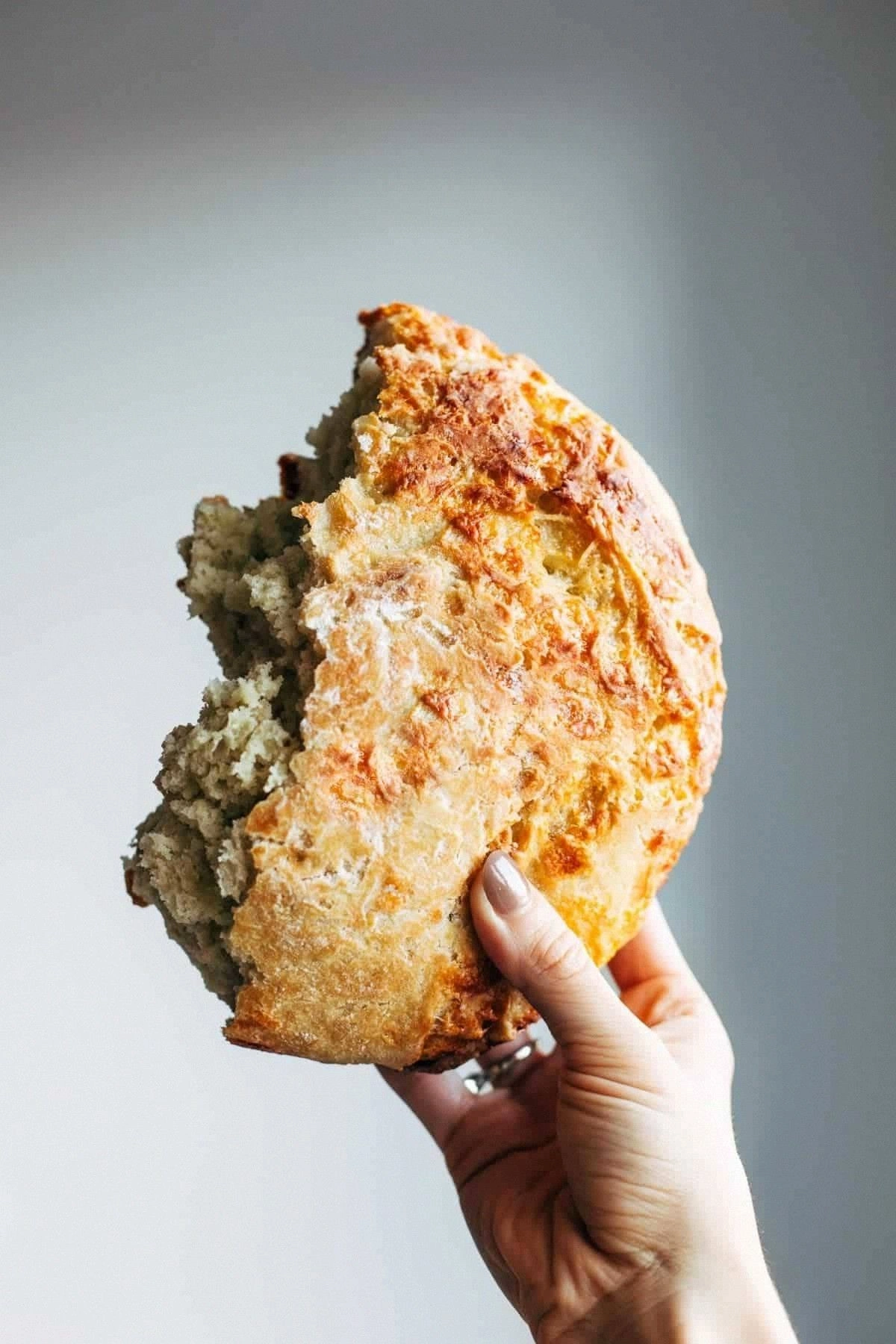
When the timer finally rang, the oven was a furnace of anticipation, and the dough—oh, that dough—looked like a shaggy, buttery cloud waiting to be transformed. The moment I pulled the loaf out, the crust crackled like fresh snow underfoot, and a buttery, cheesy aroma burst out, hugging the whole kitchen in a warm, comforting embrace. I took a bite, and the interior was as soft as a pillow, speckled with molten cheese that stretched like taffy, while the crust had that perfect, crackly snap that makes you want to shout “cheese!” from the rooftop. I’ll be honest — I ate half the batch before anyone else could even sniff it, and that’s a confession I’m not ashamed to make.
Most no‑knead breads promise a rustic loaf, but they often forget the cheese factor, leaving you with a bland, dry interior. This version flips that script by folding in a generous amount of sharp cheddar, creating pockets of gooey, tangy goodness that melt into the crumb like secret treasure. I dared you to taste this and not go back for seconds, and I’m confident you’ll accept the challenge. The secret? A splash of olive oil that gives the crust a glossy sheen and a hint of Mediterranean flair, plus a pinch of sugar that coaxes the yeast into a slow, steady rise.
Picture yourself pulling this out of the oven, the whole kitchen smelling incredible, the crust glistening with oil, and the cheese oozing just enough to make the first bite a glorious, cheesy sigh. That moment? Pure magic. Okay, ready for the game‑changer? Let me walk you through every single step — by the end, you’ll wonder how you ever made it any other way.
What Makes This Version Stand Out
- Taste: The sharp cheddar mingles with a subtle buttery undertone, delivering a flavor punch that’s both familiar and exciting.
- Texture: A crisp, caramelized crust gives way to a pillowy crumb studded with melty cheese pockets.
- Simplicity: No kneading, no fancy equipment—just mix, rest, bake, and devour.
- Uniqueness: The cheese is folded in before the rise, ensuring it stays locked inside rather than sinking to the bottom.
- Crowd Reaction: Guests will rave, “Is this store‑bought?!” and you’ll get to watch the delighted disbelief.
- Ingredient Quality: Using a high‑quality sharp cheddar makes all the difference; cheap cheese yields a watery mess.
- Cooking Method: The long, low‑heat rise creates a flavor depth that quick proofs can’t match.
- Make‑Ahead Potential: Bake a batch on Sunday, freeze, and reheat for a quick snack any day of the week.
Inside the Ingredient List
The Flavor Base
Sharp Cheddar Cheese: This is the hero of the loaf. Its tangy, slightly nutty profile cuts through the buttery crust, creating a balanced bite that sings. Skipping it means you lose the gooey pockets that make this bread unforgettable. If you can’t find sharp cheddar, a mix of Gruyère and mozzarella works wonders, but keep the total cheese volume the same.
Olive Oil: A drizzle of extra‑virgin olive oil adds richness to the crumb and a glossy finish to the crust. It also helps the dough stay supple during the long rise. Light olive oil can be swapped for melted butter if you crave a richer flavor, but remember butter will change the crust’s texture slightly.
The Texture Crew
All‑Purpose Flour: The backbone of any bread, providing gluten structure that traps the gases from the yeast. Using bread flour would give a chewier crust, but all‑purpose yields the perfect balance of tenderness and bite for this recipe. If you’re gluten‑free, a 1:1 blend of rice flour, tapioca starch, and xanthan gum can substitute, though the texture will be a bit denser.
Instant Yeast: The silent workhorse that ferments the dough during the 12‑hour rest. It’s reliable, doesn’t need proofing, and gives a consistent rise. Active dry yeast works too—just double the amount and give it a quick 5‑minute dissolve in warm water.
The Unexpected Star
Salt: More than a seasoning, salt strengthens the gluten network and regulates yeast activity, preventing over‑proofing. A pinch too little and the loaf will taste flat; a pinch too much and the yeast will stall. Sea salt or kosher salt are both fine, just measure carefully.
Warm Water: The liquid that hydrates the flour, activates the yeast, and creates the dough’s elasticity. The temperature is crucial—too hot and you’ll kill the yeast, too cold and the rise will crawl. Aim for 105‑110°F for the perfect environment.
The Final Flourish
Sugar (Optional): A teaspoon of sugar feeds the yeast a little extra, encouraging a slightly faster rise and a subtle caramel note in the crust. Omit it if you prefer a purely savory loaf, but the slight sweetness does enhance the cheese’s depth.
Everything's prepped? Good. Let’s get into the real action…
The Method — Step by Step
In a large mixing bowl, whisk together 2 cups of all‑purpose flour, 1 tsp salt, and 1 tsp instant yeast. The dry ingredients should look like a pale, speckled snowstorm—think of it as the canvas for our masterpiece. I like to use a fork to break up any clumps, ensuring the yeast is evenly distributed. This even distribution is what guarantees a uniform rise later on.
Create a well in the center of the dry mixture and pour in 1 cup of warm water and 2 tbsp of olive oil. Stir with a sturdy wooden spoon until a shaggy dough forms; it will look a bit like a wet beach towel. That’s exactly how it should be—no smoothness yet, just a loose, sticky mass. Let the dough sit for 12‑18 hours at room temperature, covered loosely with plastic wrap; this is the “no‑knead” magic that builds flavor.
Kitchen Hack: Place the covered bowl inside a turned‑off oven with the light on; the gentle warmth speeds up fermentation without overheating the yeast.After the long rest, you’ll see a bubbly, airy surface—like a foam crown on a king’s head. Gently fold in 1 cup of shredded sharp cheddar using a rubber spatula, turning the dough over on itself three times. The cheese should disperse in irregular pockets; avoid over‑mixing or you’ll crush those pockets. If the dough feels too sticky, sprinkle a tablespoon of flour, but keep it minimal to preserve the open crumb.
Generously oil a 4‑quart Dutch oven or any heavy‑bottomed pot with a thin layer of olive oil. This prevents sticking and contributes to that gorgeous crust. Transfer the dough into the pot, shaping it gently with wet hands into a rough ball. Cover with the lid and let it rest for another 30 minutes; this second rise lets the cheese settle and the gluten relax.
While the dough is having its second nap, preheat your oven to 450°F (230°C). The oven needs to be scorching hot to create the steam that makes the crust crackle. Place a cast‑iron skillet on the bottom rack; we’ll use it to pour in a splash of water for steam later.
When the oven hits temperature, remove the pot’s lid and carefully pour a half‑cup of hot water into the skillet below—listen for that sizzle! The steam will hug the loaf, ensuring a glossy, crackly crust. Immediately place the pot back in the oven and bake for 30 minutes, rotating the pot halfway through for even browning.
Watch Out: Don’t open the oven door too often; each opening releases steam and can lead to a pale, under‑crusted loaf.After 30 minutes, the crust should be a deep golden‑brown, and you’ll hear a faint hollow thump when you tap the bottom—signs of a perfectly baked interior. If the crust looks a shade too dark, tent the pot with foil for the last 5 minutes to prevent burning while the interior finishes cooking.
Remove the pot from the oven and let the bread cool on a wire rack for at least 15 minutes before slicing. This rest period lets the steam inside settle, preventing a gummy crumb. Slice with a serrated knife, and you’ll see the cheese strands pulling apart like molten caramel, with a crumb that’s airy yet substantial.
Serve warm, drizzled with a little extra olive oil if you like, and watch your guests’ faces light up. This is the moment of truth—the combination of aroma, texture, and cheese melt is a symphony you won’t forget. I dare you to try this without a second helping; it’s practically impossible.
That's it — you did it. But hold on, I've got a few more tricks that'll take this to another level…
Insider Tricks for Flawless Results
The Temperature Rule Nobody Follows
Never underestimate the power of a consistent room temperature during the long rise. If your kitchen is chilly (below 68°F), the dough will rise sluggishly, leading to a denser crumb. I keep a simple kitchen thermometer on the counter and, if needed, place the bowl on top of the refrigerator which emits a gentle, steady warmth. This trick saved me countless failed loaves and ensures the yeast works at its optimum speed.
Why Your Nose Knows Best
Even if the timer says 12 hours, trust your nose. When the dough’s surface smells slightly sour with a hint of yeast, it’s ready. If it still smells like raw flour, give it a few more minutes. This sensory checkpoint is a secret weapon used by bakers worldwide, and it prevents the dreaded “underdone” loaf that collapses when sliced.
The 5‑Minute Rest That Changes Everything
After folding in the cheese, give the dough a brief 5‑minute rest uncovered. This short pause lets the gluten relax, making it easier to shape without tearing. I’ve seen friends try to shape the dough immediately and end up with a tough crust. A quick breather is all it takes to achieve that tender interior.
Steam Mastery
Steam is the silent hero behind that glossy crust. Instead of a generic water splash, try adding a handful of ice cubes to the skillet; as they melt, they release a steady plume of steam that lasts longer. The result? A crust that cracks like thin ice yet stays moist inside. Forget the ice cubes and you’ll end up with a crust that’s more parchment than crunch.
The Cheese Distribution Trick
To avoid clumps of cheese sinking to the bottom, toss the shredded cheddar with a tablespoon of flour before folding it in. The flour coats the cheese, creating a barrier that keeps the bits suspended throughout the dough. A friend tried this once and swore the cheese was evenly spread from edge to center—no more cheesy “bottom‑only” disasters.
Creative Twists and Variations
This recipe is a playground. Here are some of my favorite ways to switch things up:
Herb‑Infused Bliss
Add 1 tablespoon of fresh rosemary and 1 teaspoon of thyme to the flour before mixing. The herbs bring an earthy aroma that pairs beautifully with the sharp cheddar, turning the loaf into a sophisticated side for roasted meats.
Spicy Jalapeño Kick
Fold in ½ cup of finely diced jalapeños and a pinch of smoked paprika. The heat cuts through the richness of the cheese, giving you a bite that’s both comforting and invigorating—perfect for game nights.
Garlic‑Butter Swirl
Melt 3 tablespoons of butter with 2 minced garlic cloves, brush the mixture over the dough before the final rise, and sprinkle a little flaky sea salt on top. The result is a fragrant, buttery crust that smells like a French boulangerie.
Sweet & Savory Cheddar‑Apple
Dice a crisp apple (like Granny Smith) and fold it in with the cheese. The subtle sweetness of the apple balances the sharpness of the cheddar, creating a unique flavor profile that’s great for brunch.
Whole‑Grain Upgrade
Replace half of the all‑purpose flour with whole‑wheat flour and add a tablespoon of honey. The loaf gains a nutty depth and a slightly sweet finish, making it a hearty option for cooler mornings.
Storing and Bringing It Back to Life
Fridge Storage
Wrap the cooled loaf tightly in parchment paper, then place it in a zip‑top bag before refrigerating. It will stay fresh for up to 5 days. The parchment prevents condensation, which can make the crust soggy.
Freezer Friendly
Slice the loaf before freezing; this way you can pull out individual pieces as needed. Wrap each slice in foil, then store in a freezer‑safe bag. The bread freezes beautifully for up to 3 months. When you’re ready, let a slice thaw at room temperature or pop it straight into a toaster.
Best Reheating Method
Preheat your oven to 350°F (175°C), place the slice (or whole loaf) on a baking sheet, and add a tiny splash of water—just enough to create a thin film. Cover loosely with foil and heat for 8‑10 minutes. The steam revives the crust’s crunch while the interior becomes soft and melty again.