When I was halfway through a pot of bland chicken broth, my neighbor burst in, laughing, and dared me to whip up a Dominican sancocho in under 45 minutes. I stared at the empty pan, the kitchen clock ticking, and thought, “If I can survive that, I’ll survive a full‑blown family reunion.” The challenge turned into a culinary sprint that would change the way I think about stew. I was ready to prove that a humble pot of simmering goodness could be both a comfort and a showstopper. So grab your apron, because this is going to be a recipe you’ll want to brag about.
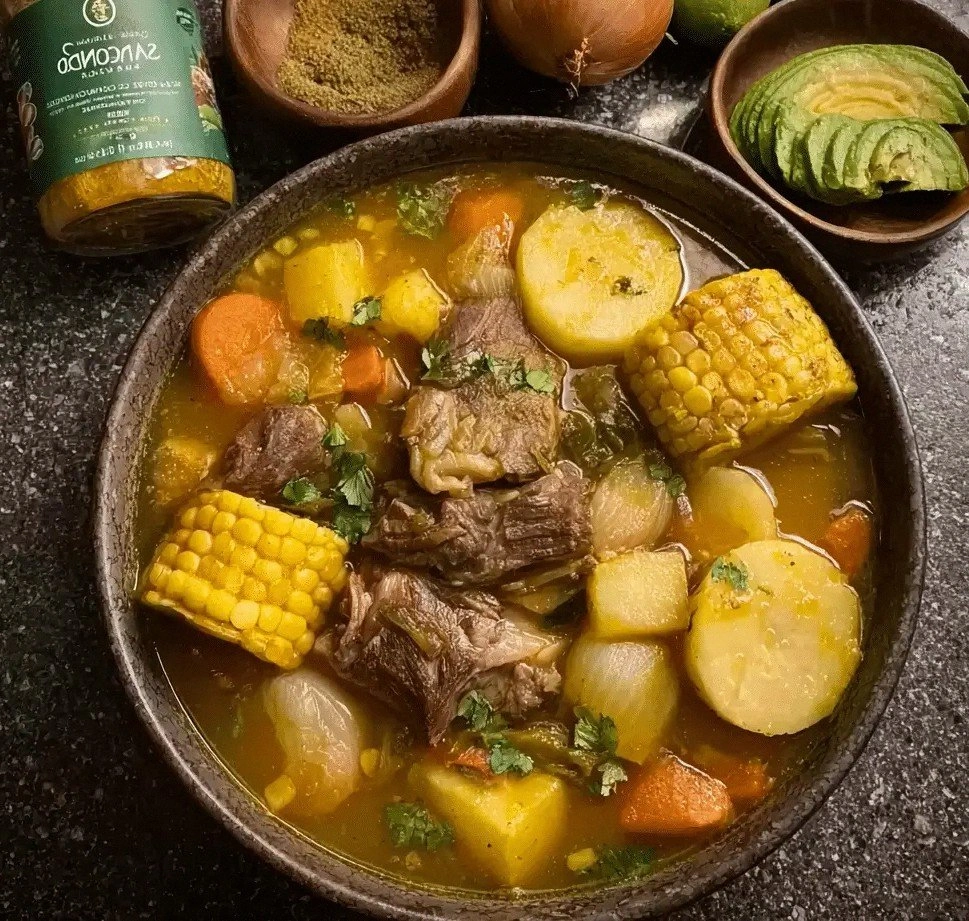
The first time I tasted this version, the aroma hit me like a warm hug—rich pork, smoky ham, and the sweet scent of plantains mingling with the earthy sweetness of yuca. I could hear the gentle hiss of the broth as it coaxed the flavors together, and the sound of the pot’s lid clinking as the steam swirled. The sight of the vibrant colors—deep mahogany broth, golden plantain slices, bright green cilantro—made my mouth water. The texture was a delightful mix of tender meat, crisp veggies, and that satisfying chew of cassava. Each bite was a burst of savory, sweet, and slightly citrusy notes that danced across my tongue.
What makes this version of sancocho stand out is not just the combination of meats and root veggies, but the meticulous layering of flavors that you can’t find in a generic recipe. I’ve stripped away the fluff, kept the ingredients authentic, and added a few subtle twists that elevate the dish from “good” to “legendary.” The broth is silky yet hearty, the meats melt in your mouth, and the plantains add a hint of natural sweetness that balances the savory depth. I dare you to taste this and not go back for seconds—once you finish, you’ll be convinced this is the best sancocho you’ll ever make at home.
There’s a secret ingredient that most people overlook: a splash of lime juice at the very end, just before serving. It brightens the entire dish, cutting through the richness and leaving a clean, fresh finish. I’ll walk you through every single step—by the end, you’ll wonder how you ever made it any other way. Let’s dive into the heart of Dominican flavor.
What Makes This Version Stand Out
- Flavor Depth: The combination of pork, beef, chicken, and ham hock creates a multi‑layered savory base that’s impossible to replicate with a single protein.
- Texture Variety: From tender meats to the firm bite of yuca and the sweet snap of plantains, every mouthful offers a new sensation.
- Authentic Ingredients: Using traditional sofrito and a hint of lime gives the broth an unmistakable Dominican character.
- Ease of Prep: The method is straightforward—no complex steps, just a few key actions that deliver maximum flavor.
- Make‑Ahead Friendly: The flavors deepen overnight, making it ideal for busy schedules or large gatherings.
- Versatility: It can be served over rice, with crusty bread, or even as a hearty soup—your choice.
- Family Appeal: The comforting, hearty nature of the dish makes it a crowd‑pleaser for all ages.
Inside the Ingredient List
The Flavor Base
At the heart of sancocho is the sofrito—an aromatic blend of onions, garlic, cilantro, and bell peppers. It forms the flavor foundation, releasing its oils into the oil and creating a fragrant base that lingers throughout the stew. Skipping the sofrito turns the broth into a bland liquid; it’s the secret that turns a simple pot of meat into a masterpiece. If you’re short on time, a pre‑made store‑bought sofrito works, but homemade is always worth the extra effort.
Salt and black pepper are the seasoning anchors. They balance the richness of the meats and the sweetness of the plantains. Adding too much salt at the beginning can cause the broth to become overly salty; instead, season gradually, tasting as you go. A pinch of cumin or a dash of smoked paprika can add a subtle smokiness that complements the ham hock.
The Protein Ensemble
Pork shoulder, beef shank, chicken thighs, and a ham hock create a symphony of textures and flavors. Each protein brings a unique element: pork offers richness, beef adds earthiness, chicken provides lightness, and ham hock delivers a smoky depth. Removing any of them will change the balance; for instance, without ham hock, the stew loses its signature smokiness.
Smoked sausage adds a peppery bite and a touch of sweetness. If you’re vegetarian, replace it with a hearty vegetable like mushrooms, or skip it entirely for a leaner version. The key is to maintain at least two types of meat for depth; otherwise, the stew may feel flat.
The Starchy Backbone
Yuca, cassava, and potatoes form the backbone of the stew, providing body and a comforting, earthy texture. Yuca is prized for its subtle sweetness and firm bite, while cassava offers a slightly nutty flavor. Potatoes bring a creamy interior that absorbs the broth’s richness. If you’re in a pinch, you can substitute all three with sweet potatoes, but the flavor profile will shift toward a sweeter note.
Plantains are the sweet counterpoint, adding a caramelized edge when they brown slightly in the pot. Their natural sugars balance the savory meats and help to thicken the broth. Skipping plantains will leave the stew a bit more neutral; adding them is essential for that Dominican signature flavor.
The Final Flourish
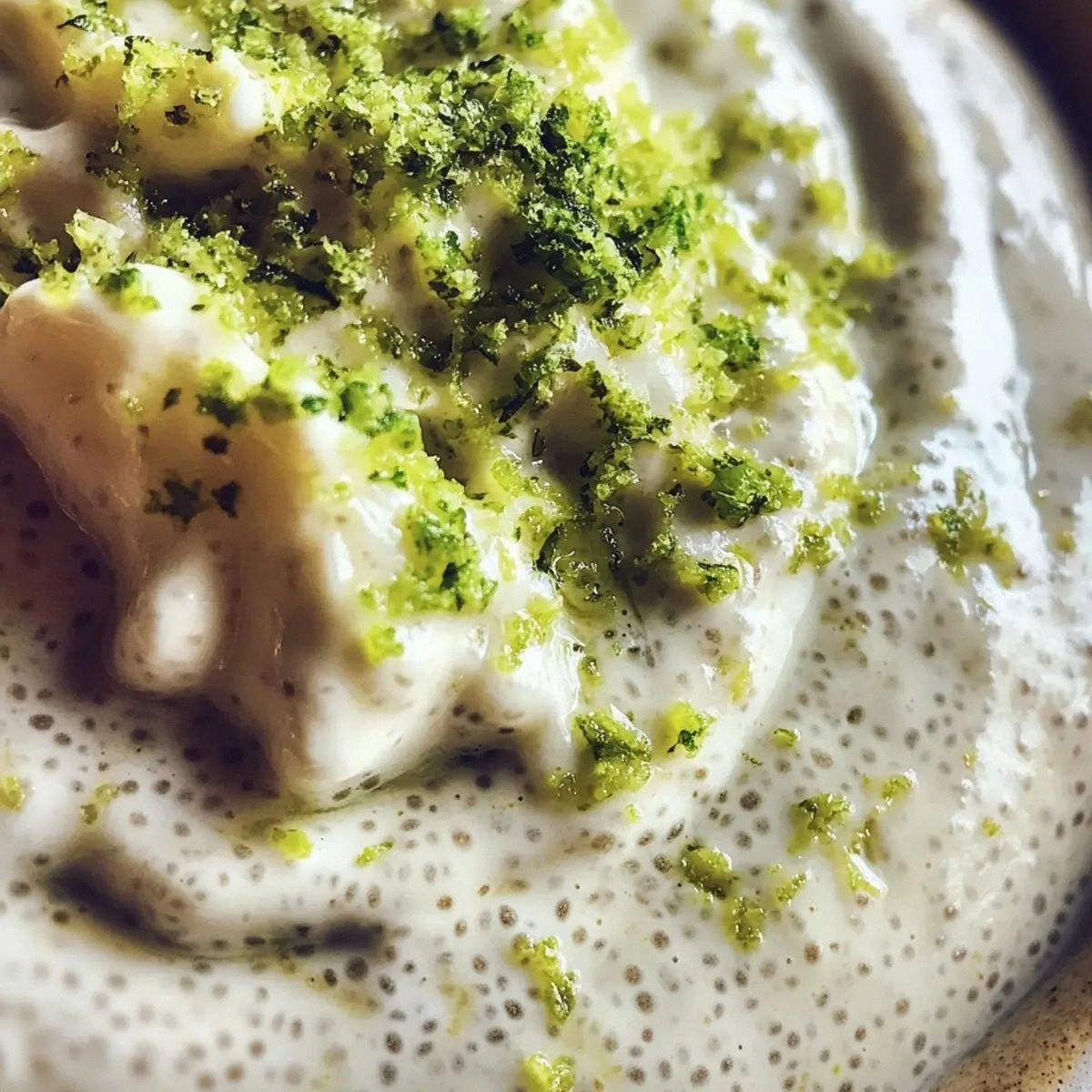
Lime juice is the final flourish that brightens the entire dish. Added just before serving, it cuts through the richness and lifts the flavors to a fresh, zesty finish. A few drops of hot sauce can also be added for a spicy kick, but the lime is the star of the show.
Finishing with fresh cilantro adds a burst of herbal aroma that complements the lime. The cilantro’s bright green color also makes the stew visually appealing. If you’re allergic to cilantro, parsley can be a suitable substitute, though it will slightly alter the flavor profile.
Everything's prepped? Good. Let's get into the real action.
The Method — Step by Step
- Heat the olive oil in a large stockpot over medium heat until shimmering. Add the diced onion, minced garlic, and chopped bell pepper, sautéing until the mixture turns translucent and fragrant. The onions should soften without browning, releasing their natural sweetness. Keep a close eye on the mixture; if it starts to brown, lower the heat to prevent bitterness.
- Add the pork shoulder, beef shank, chicken thighs, ham hock, and sliced smoked sausage to the pot. Stir to brown the meats on all sides, creating a caramelized crust that locks in flavor. This step is crucial for depth; rushing it will leave the stew bland.
- Pour in the sofrito, bay leaves, and oregano, stirring to combine. The sofrito should coat the meats and vegetables, infusing the broth with its aromatic oils. This is where the flavor truly starts to develop. The aroma at this point is unmistakably Dominican.
- Add 8 cups of water (or enough to cover the ingredients) and bring the pot to a boil. Once boiling, reduce the heat to low, cover, and let it simmer for 45 minutes. This slow simmer allows the meats to become tender and the flavors to meld. Check the water level occasionally; add more if it evaporates too quickly.
- Add the yuca, cassava, potatoes, carrots, and plantains to the pot. Stir gently to combine, ensuring the vegetables are fully submerged. Simmer for an additional 20 minutes, or until all the root vegetables are tender. The broth should thicken slightly as the starches release.
- Remove the bay leaves and ham hock. If you prefer a clearer broth, strain the stew through a fine mesh sieve. Skim off any excess fat that rises to the surface; this keeps the broth silky and prevents greasiness.
- Stir in the chopped cilantro and squeeze the juice of one lime over the stew. Taste and adjust seasoning with salt and pepper. The lime should brighten the broth, cutting through the richness and leaving a clean finish.
- Serve hot, ladling the stew into bowls. Pair it with a side of white rice, avocado slices, or a simple green salad for a complete Dominican feast. Garnish with extra cilantro or lime wedges for an extra pop of color.
That's it — you did it. But hold on, I've got a few more tricks that'll take this to another level.
Insider Tricks for Flawless Results
The Temperature Rule Nobody Follows
Many people keep the pot at a rolling boil, but the secret lies in low, steady simmering. This gentle heat allows the collagen in the meats to break down without breaking apart, giving you that melt‑in‑your‑mouth texture. I’ve tried boiling for 10 minutes, and the result was a rubbery mess. Stick to a low simmer, and you’ll get silky, tender meat every time.
Why Your Nose Knows Best
Don’t underestimate the power of aroma. If the broth starts smelling flat, add a splash of white wine or a pinch of paprika. The aroma will signal the flavors are developing correctly. If it smells off, it’s a sign to adjust seasoning or add more broth.
The 5-Minute Rest That Changes Everything
Let the stew rest for 5 minutes after you take it off the heat. This allows the flavors to redistribute, making each spoonful more harmonious. I’ve seen people skip this step and end up with a stew that tastes like a collection of individual flavors rather than a unified dish.
Keep the Veggies in Line
Cut all root vegetables to the same size before adding them to the pot. Uneven sizes cause some veggies to overcook while others remain raw. I once had a batch where the yuca was still hard while the plantains were mushy—never again.
Finish With Freshness
Adding fresh cilantro and lime just before serving preserves the bright, herbal notes that can get muted during long simmering. If you’re making this ahead of time, add the fresh herbs and lime juice right before reheating to keep the dish vibrant.
Creative Twists and Variations
This recipe is a playground. Here are some of my favorite ways to switch things up:
Seafood Sancocho
Swap the pork and beef for a mix of shrimp, mussels, and white fish. The seafood brings a briny, oceanic flavor that pairs beautifully with the sweet plantains. Serve over rice for a light, yet hearty meal.
Vegetarian Delight
Replace all meats with a hearty mix of mushrooms, lentils, and seitan. Keep the root vegetables and plantains for texture. This version is still rich and comforting, but with a plant‑based twist.
Spicy Sancocho
Introduce sliced green chilies or a splash of hot sauce during the simmer. The heat will cut through the richness and add a lively kick. Pair with a cool yogurt dip to balance the spice.
Instant Pot Edition
Use an Instant Pot to reduce cooking time to 30 minutes. Seal the pot and set it to “Meat/Stew” mode. After pressure release, stir in the plantains and let them steam for 5 minutes.
Low‑Carb Sancocho
Omit the potatoes and cassava, and replace them with cauliflower florets. Keep the yuca and plantains for flavor. This version keeps the dish hearty while cutting down on carbs.
Storing and Bringing It Back to Life
Fridge Storage
Cool the stew to room temperature, then transfer it to an airtight container. Store in the refrigerator for up to 4 days. The flavors will continue to develop, making it even more delicious.
Freezer Friendly
Divide the stew into individual portions and freeze for up to 3 months. Thaw overnight in the fridge before reheating. The texture stays firm, and the broth remains rich.
Best Reheating Method
Reheat on the stovetop over low heat, adding a splash of water or broth to loosen the consistency. Let it bubble gently for 10 minutes, stirring occasionally. This keeps the stew from drying out and preserves the silky texture.