I was halfway through a late‑night pizza experiment when my oven alarm blared, and the dough was already a charred, bitter mess. I stared at the scorched crust, feeling the frustration bubble up like a bad soup. Then a sudden thought hit me: what if I could turn that disaster into a culinary triumph with just a few pantry staples? That moment sparked the idea for the most sensational, flavor‑rich salmon dish I’ve ever made. It’s a recipe that will make you question every other salmon recipe you’ve ever tried.
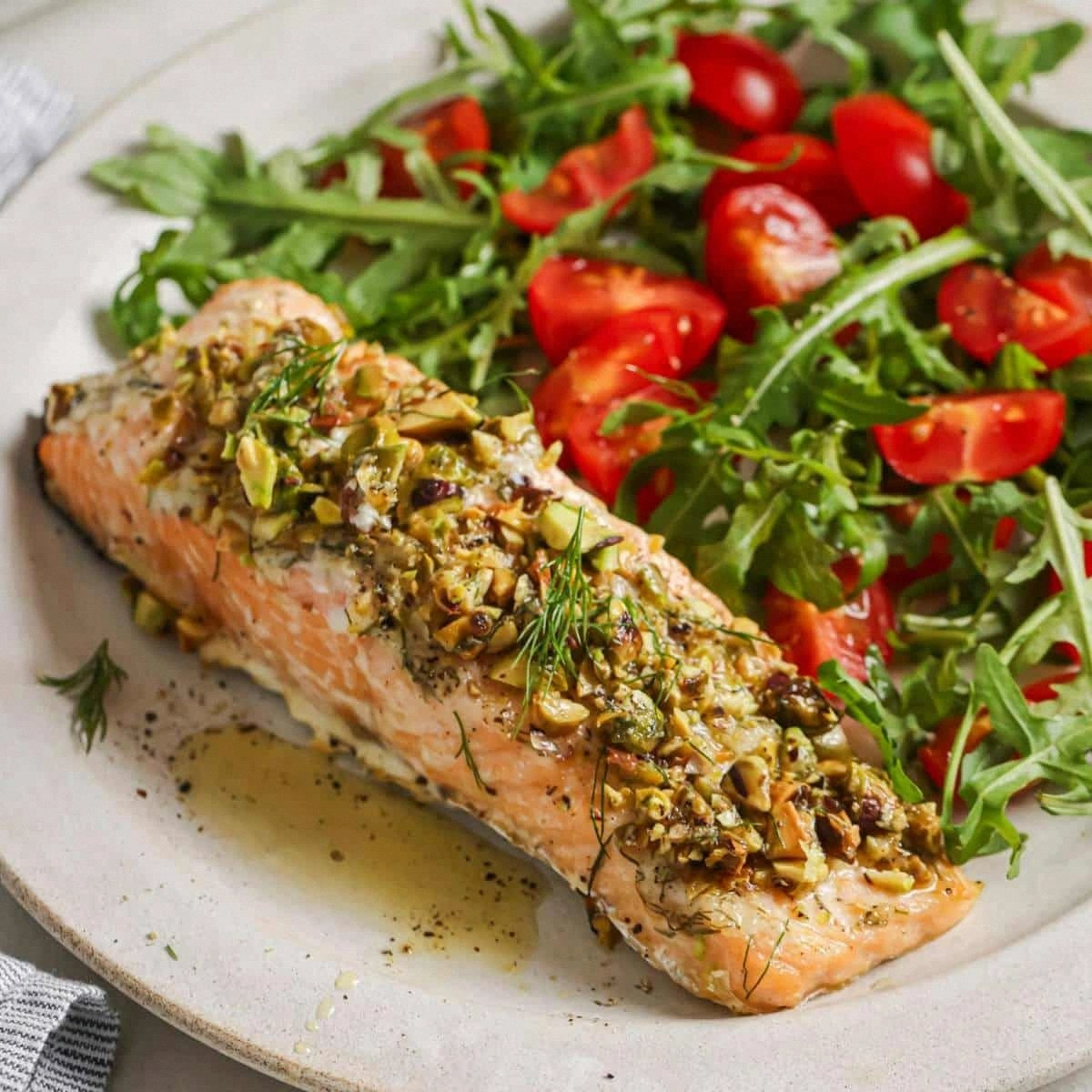
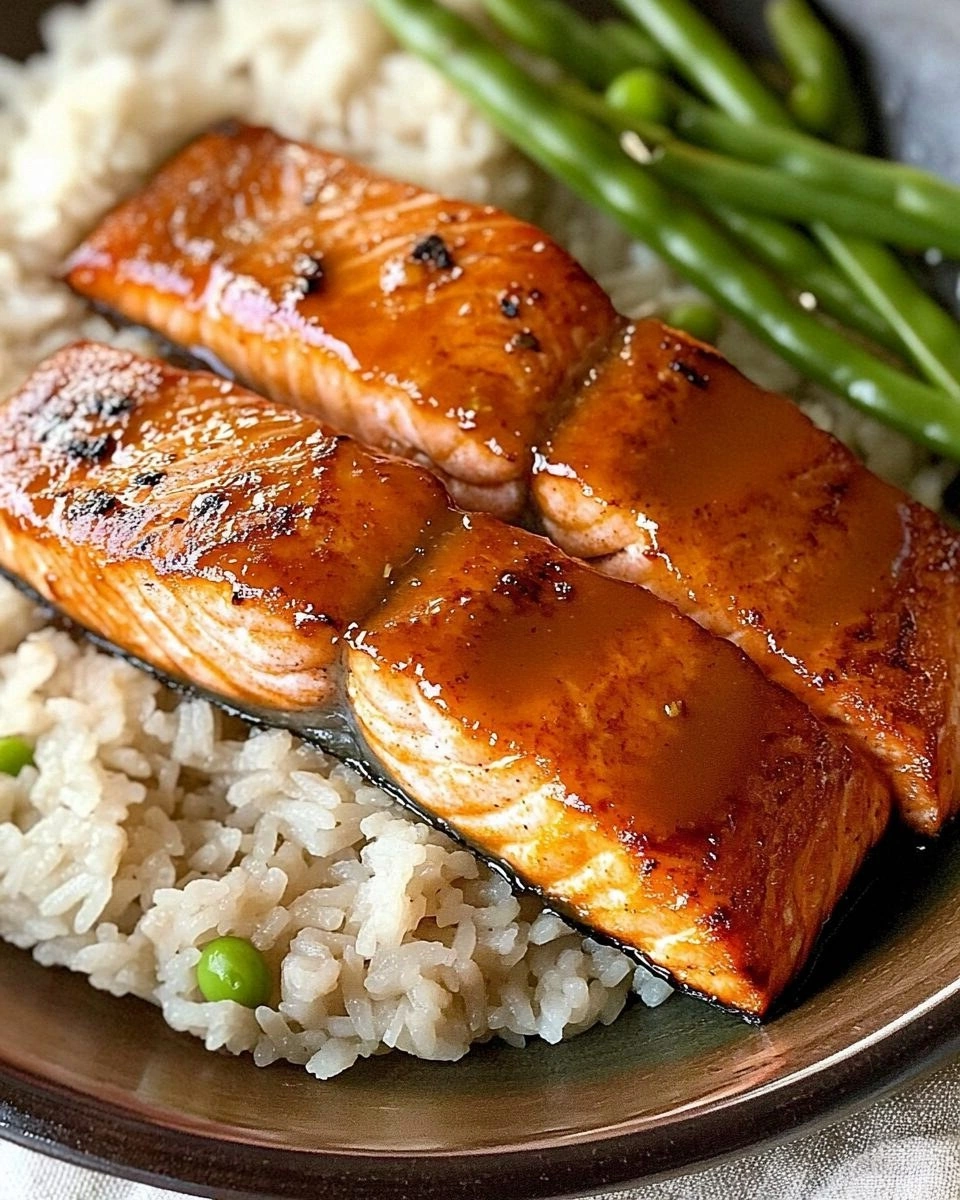
Picture this: a perfectly seared salmon fillet, its skin crisped to a golden, buttery edge that crackles like thin ice. The aroma of miso, mustard, and maple syrup mingles with the faint scent of toasted sesame, creating an olfactory hug that makes you want to close your eyes and savor the moment. The first bite delivers a savory umami punch that is instantly followed by a subtle sweetness from maple, then a bright, peppery kick from mustard. It’s a symphony of flavors that dance across your palate, leaving you craving that second plate.
What sets this version apart? The secret is in the balance. The miso provides depth without overpowering, the Dijon mustard adds a creamy, slightly tangy texture that coats the fish like velvet, and the maple syrup delivers a caramelized finish that lingers long after the last bite. It’s a recipe that feels like a gourmet dinner but is incredibly simple to execute. I dare you to taste this and not go back for seconds.
I’ve spent hours refining this recipe, experimenting with ratios and cooking times until everything fell into place. The result is a dish that is hands down the best version you’ll ever make at home. It’s not just about the flavors; it’s about the experience. Picture yourself pulling this out of the oven, the whole kitchen smelling incredible, and the guests’ eyes widening in anticipation. That moment of triumph is what makes this recipe unforgettable.
Let me walk you through every single step — by the end, you’ll wonder how you ever made it any other way. From the initial seasoning to the final garnish, each phase is crafted to elevate the salmon’s natural qualities. I’ll share the technique that ensures the skin is blisteringly crisp while the flesh stays moist and flaky. Get ready, because this is going to be a game‑changer.
What Makes This Version Stand Out
- Flavor Harmony: The trio of miso, mustard, and maple creates a balanced profile that satisfies sweet, salty, and umami cravings simultaneously.
- Texture Contrast: A buttery, crisp skin paired with tender, flaky flesh gives the dish a satisfying bite.
- Easy Prep: All ingredients are pantry staples, no exotic items needed—perfect for busy weeknights.
- Crowd‑Pleaser: Even the pickiest eaters love the familiar sweetness of maple combined with a subtle mustard kick.
- Ingredient Quality: Fresh salmon, high‑quality miso, and pure maple syrup make the difference between ordinary and extraordinary.
- Make‑Ahead Potential: The glaze can be prepared a day ahead, allowing you to focus on the fish on cooking day.
- Versatility: Swap the salmon for tuna, cod, or even tofu for a vegetarian version.
- Quick Cooking: From prep to plate in just 45 minutes, it’s a perfect weeknight dinner.
Alright, let's break down exactly what goes into this masterpiece...
Inside the Ingredient List
The Flavor Base
Miso paste is the cornerstone of this dish, offering a deep umami punch that grounds the other flavors. Its saltiness is essential; too little and the glaze will taste flat, too much and it becomes overpowering. If you’re using a light miso, double the quantity to maintain balance. A good tip: let the miso sit at room temperature for a few minutes before mixing; it dissolves more smoothly.
The Texture Crew
Sesame oil is not just a cooking medium; it adds a nutty aroma that elevates the entire glaze. The oil’s high smoke point allows the salmon skin to crisp without burning. If you’re short on sesame oil, a neutral oil like grapeseed works, but you’ll lose that subtle nutty note. For an extra crunch, sprinkle toasted sesame seeds on top before serving.
The Unexpected Star
Maple syrup is the sweet counterpoint to the savory miso and sharp mustard. It caramelizes beautifully, giving the fillets a glossy finish that looks as good as it tastes. Opt for pure maple syrup—any imitation will dilute the flavor. If you prefer a darker, richer taste, a small splash of dark rum can replace a portion of the maple for a boozy twist.
The Final Flourish
Fresh herbs like parsley or dill are the finishing touch, adding brightness and a pop of color. They cut through the richness, making each bite feel balanced. If you’re vegan, sprinkle crushed red pepper flakes instead for a hint of heat. Remember, herbs are best added at the end to preserve their delicate flavors.
Everything's prepped? Good. Let's get into the real action...
The Method — Step by Step
- Pat the salmon fillets dry with paper towels. A dry surface ensures the skin crisps beautifully. Season both sides lightly with salt and pepper, then set aside. This simple step prevents the glaze from becoming too salty.
- In a small bowl, whisk together miso paste, Dijon mustard, maple syrup, soy sauce, minced garlic, grated ginger, and sesame oil until smooth. The mixture should be glossy; if it’s too thick, add a teaspoon of warm water to reach the right consistency.
- Heat a non‑stick skillet over medium‑high heat and add a splash of sesame oil. Once shimmering, place the salmon fillets skin‑side down. Let them cook undisturbed for 4–5 minutes until the skin is golden and releases easily from the pan.
- Flip the fillets gently and brush the glaze generously over the flesh side. The glaze should coat the fish without pooling. This is the moment of truth—watch the glaze caramelize into a shiny, aromatic coating.
- Reduce the heat to medium and let the salmon finish cooking for another 3–4 minutes. The internal temperature should reach 145°F (63°C). If you like a slightly rarer center, pull it off the heat at 140°F (60°C) and let residual heat finish the job.
- While the salmon rests, pour the remaining glaze into a small saucepan and bring to a gentle simmer. Let it reduce for 2–3 minutes until it thickens into a syrupy consistency. This reduction will be drizzled over the finished dish.
- Plate the salmon fillets on warm plates, skin side up. Drizzle the reduced glaze over each fillet, letting it cascade down the sides. Sprinkle chopped parsley for a fresh, herbaceous finish.
- Serve immediately with a side of steamed rice or roasted vegetables. The contrast between the sweet glaze and the earthy sides creates a harmonious meal. And now, the fun part: enjoy the burst of flavors.
That's it — you did it. But hold on, I've got a few more tricks that'll take this to another level...
Insider Tricks for Flawless Results
The Temperature Rule Nobody Follows
Many cooks rely solely on time, but the real secret lies in the temperature of your pan. A skillet that’s too hot will burn the glaze before the salmon cooks through; too cool and the skin won’t crisp. Aim for medium‑high heat, and test with a drop of glaze—if it sizzles immediately, you’re good.
Why Your Nose Knows Best
Trust your nose. As the glaze reduces, it will develop a caramelized aroma. When that scent hits your threshold, the glaze is perfectly thick. Don’t rely on the clock; let the aroma guide you.
The 5‑Minute Rest That Changes Everything
After cooking, let the salmon rest for five minutes. This allows the juices to redistribute, keeping the flesh moist. Skipping this step often results in a dry, uneven bite.
Use a Non‑Stick for Skin Perfection
A good non‑stick pan is essential for crisp skin. A stainless steel pan can work, but it requires a bit more oil and a longer cooking time. If you’re using a cast‑iron skillet, preheat it well and add a generous amount of oil.
The Secret of Fresh Herbs
Fresh herbs not only add color but also a burst of brightness that cuts through the richness. Add them just before serving to preserve their flavor. If you’re in a hurry, a few dashes of lemon zest can substitute for fresh herbs.
Creative Twists and Variations
This recipe is a playground. Here are some of my favorite ways to switch things up:
Spicy Sriracha Maples
Add a tablespoon of sriracha to the glaze for a fiery kick that pairs beautifully with the sweet maple. The heat will linger without overpowering the salmon.
Herb‑Infused Citrus
Replace the lemon juice with a splash of orange or lime for a citrusy brightness. Add fresh thyme or rosemary for an aromatic layer that complements the miso.
Smoky Paprika Finish
Stir in half a teaspoon of smoked paprika into the glaze for a subtle smoky undertone. It pairs wonderfully with a side of grilled corn or roasted sweet potatoes.
Vegan Version
Swap salmon for thick tofu slabs or tempeh. Marinate them in the same glaze and bake at 400°F for 20 minutes, turning halfway through.
Asian Fusion Roll
Serve the glazed salmon over jasmine rice, drizzle extra glaze, and top with sliced green onions and sesame seeds for a sushi‑inspired dish.
Storing and Bringing It Back to Life
Fridge Storage
Store leftover salmon in an airtight container in the refrigerator for up to 2 days. Keep the glaze separate to prevent the fish from absorbing excess moisture.
Freezer Friendly
Freeze the salmon in a single layer on a baking sheet before transferring to a freezer bag. It stays fresh for up to 3 months. Thaw overnight in the fridge before reheating.
Best Reheating Method
Reheat gently in a skillet over low heat, adding a splash of water or broth to keep the fillets moist. Finish with a quick drizzle of the glaze to restore the glossy finish.