I was halfway through a week of bland take‑out and my pantry felt like a barren desert. The moment I opened the fridge, the scent of dried mushrooms and a faint hint of soy sauce made my stomach do a happy little dance. I grabbed a bag of glutinous rice, a few pieces of lap cheong, and a handful of scallions, and I told myself, “This is going to be the most epic sticky rice ever.” That kitchen disaster of last night—when I tried to make a quick rice bowl and ended up with a sticky mess—was the spark that lit the fire for this recipe.
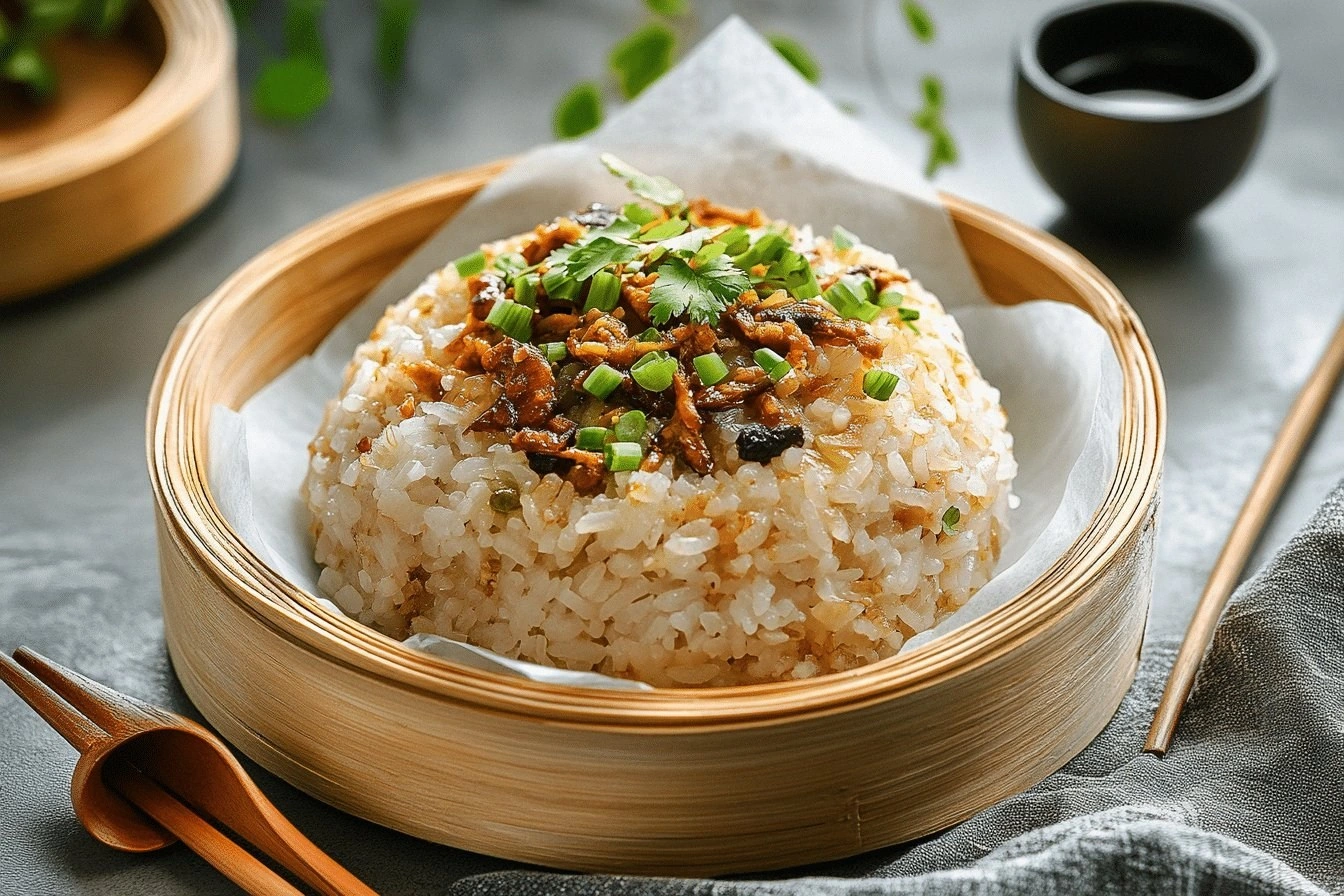
Picture a bowl of steaming, fragrant sticky rice that’s been kissed by the umami of rehydrated shiitake mushrooms, the sweet smokiness of sliced Chinese sausage, and the subtle brininess of shrimp if you’re feeling adventurous. The aroma is like a warm hug from an old friend, the texture is silky yet slightly chewy, and the flavors mingle like a well‑orchestrated jazz trio. Every bite feels like a small celebration, and the first spoonful will make you question whether you’ve ever truly tasted sticky rice before. I dare you to taste this and not go back for seconds, because it’s that addictive.
What sets this version apart is that it’s not just a recipe; it’s a revelation. The technique of soaking the rice in a mixture of Shaoxing wine and a splash of water before steaming creates an almost ethereal lightness that makes each grain sing. The sauce blend—soy, oyster, and a whisper of white pepper—coats the rice like velvet, turning a humble staple into a gourmet experience. It’s a dish that can be a party starter, a comforting dinner, or a crowd‑pleasing side, all while keeping the process surprisingly simple. And if you’re a fan of “one‑pot” wonders, you’ll love how everything comes together in a single pan, saving you time and clean‑up.
And now, I’m going to walk you through every single step—by the end, you’ll wonder how you ever made it any other way. From the moment you crack the first egg of soy sauce to the final garnish of scallions, every action is designed to elevate the dish. Trust me, if you’ve ever struggled with sticky rice, you’re not alone—and I’ve got the fix. Let’s dive in.
What Makes This Version Stand Out
- Flavor: The umami punch from shiitake mushrooms and oyster sauce turns ordinary rice into a flavor bomb that lingers on the palate.
- Texture: The combination of glutinous rice and the subtle chew from the sausage creates a mouthfeel that’s both comforting and exciting.
- Simplicity: All ingredients are sautéed in one pan, then steamed—no separate pots or elaborate steps.
- Versatility: Swap shrimp for tofu, add a splash of chili for heat, or use brown rice for a healthier twist.
- Crowd Reaction: Friends always ask for the recipe after tasting; it’s a guaranteed conversation starter.
- Ingredient Quality: Fresh, high‑quality lap cheong and premium shiitake mushrooms make the difference between good and unforgettable.
- Make‑ahead Potential: The dish can be prepared a day ahead and reheated without losing its silky texture.
- Visual Appeal: The golden edges of the sausage and the glossy sheen of the sauce make the dish Instagram‑ready.
Alright, let's break down exactly what goes into this masterpiece...
Inside the Ingredient List
The Flavor Base
Glutinous rice is the backbone of this dish, offering that signature sticky texture that’s essential to any Chinese rice staple. When you soak it in a splash of Shaoxing wine, it absorbs a subtle, aromatic nuance that elevates every bite. If you skip the wine, the rice will still be good, but it will lack that complex depth that makes the dish feel like a culinary masterpiece.
Soy sauce is the salty backbone that balances the sweetness of the sausage and the earthiness of the mushrooms. A good quality low‑sodium soy sauce gives you control over the salt level without over‑seasoning. If you’re on a sodium‑restricted diet, you can reduce the soy sauce by a tablespoon and compensate with a touch more oyster sauce.
The Texture Crew
Dried shiitake mushrooms add an earthy undertone and a chewy bite that contrasts beautifully with the soft rice. Rehydrate them in hot water for 20 minutes, then dice them finely so they distribute evenly throughout the dish. If you can’t find shiitake, button mushrooms or oyster mushrooms work as acceptable substitutes, though the flavor profile will shift slightly.
Chinese sausage, or lap cheong, brings a sweet and savory punch with a rich, slightly oily texture that caramelizes when sautéed. Slice it thinly so it cooks quickly and releases its juices into the pan. If you’re a vegetarian, consider using a high‑quality vegan sausage that mimics the same sweet‑savory profile.
The Unexpected Star
Shrimp is optional but adds a subtle seafood sweetness and bite for extra flavor complexity. Peel and devein the shrimp, then toss them in a pinch of white pepper before adding to the pan. If you’re not a fan of shrimp, you can replace it with diced pork belly for a richer, meatier flavor.
The Final Flourish
Scallions provide fresh, mild onion notes that brighten the overall taste and add a pop of color. Slice them thinly, reserving the green parts for garnish. The scallions’ crispness cuts through the richness of the sausage and the umami of the sauce, creating a balanced flavor profile.
Oyster sauce enhances umami for that deep, irresistible flavor boost. It’s thicker than soy sauce and brings a slightly sweet undertone that complements the savory elements. If you’re allergic to shellfish, a mushroom sauce with a splash of soy can mimic the umami intensity.
Everything's prepped? Good. Let's get into the real action...
The Method — Step by Step
- Start by soaking the glutinous rice in a mixture of water and Shaoxing wine for 30 minutes. This step infuses the grains with a subtle aroma that will carry through the dish. After soaking, drain the rice and set it aside; it should be damp but not soggy.
- Heat a large skillet or wok over medium heat and add the cooking oil. Once the oil shimmers, toss in the sliced lap cheong and stir‑fry until it releases its oils and turns golden brown. The sizzling sound here is a sign that the flavors are locking in.
- Add the diced dried shiitake mushrooms to the pan. Stir them around for about two minutes so they absorb the oil and start to soften. If you notice the mushrooms are sticking, add a splash of water to loosen them.
- Introduce the shrimp (if using) and season with a pinch of white pepper. Cook for another three minutes until the shrimp turn pink and opaque. This is the moment of truth—watch the shrimp's color change.
- Pour in the soy sauce and oyster sauce, stirring to coat all the ingredients evenly. The sauce should coat the pan like a glossy glaze, and the aroma will become intoxicating.
- Add the soaked rice to the pan, gently breaking up any clumps. Use a spatula to fold the rice into the sauce, ensuring every grain is coated. Let it cook for about five minutes, allowing the rice to absorb the flavors.
- Now it’s time to steam. Cover the skillet with a lid or foil, reduce the heat to low, and let the rice steam for 15 minutes. The rice should be tender yet slightly chewy, with a glossy sheen.
- Remove the lid, sprinkle the sliced scallions on top, and give the dish a final stir. The scallions add a fresh burst of color and a mild onion note that lifts the entire dish.
- Serve hot, optionally garnishing with a few extra scallion greens or a drizzle of sesame oil. The dish is ready to be devoured, and the aroma alone will have you craving more.
That's it — you did it. But hold on, I've got a few more tricks that'll take this to another level...
Insider Tricks for Flawless Results
The Temperature Rule Nobody Follows
Cooking the rice over medium heat is critical; too high and the rice will burn, too low and it won’t caramelize. I found that a steady medium heat allows the soy sauce to reduce slightly, thickening into a glossy coating that clings to each grain. If you’re using a non‑stick pan, keep the heat moderate to prevent the sauce from sticking and burning.
Why Your Nose Knows Best
Before you add the rice, let the pan rest for a minute after sautéing the sausage. The aroma that builds up in the pan will tell you whether the oil has reached the right temperature. A faint, nutty scent indicates the oil is ready for the mushrooms.
The 5‑Minute Rest That Changes Everything
After steaming, let the dish sit covered for five minutes. This step allows the steam to redistribute, making the rice fluffier and the flavors more cohesive. When you lift the lid, the steam will hiss like a contented cat, signaling that the dish is ready.
Use of White Pepper
White pepper adds a gentle heat without the white specks that black pepper leaves behind. It also offers a slightly citrusy aroma that complements the oyster sauce. A pinch is enough; too much and it’ll overpower the delicate balance.
The Scallion Technique
Reserve the green parts of the scallions for garnish and use the white part for sautéing. The white part is milder and helps soften the pan, while the green parts add a fresh, bright finish. This simple trick ensures a balanced flavor profile.
Stirring Strategy
When adding the rice, use a gentle folding motion rather than vigorous stirring. This keeps the grains intact and prevents them from breaking apart, which would ruin the sticky texture. Think of it as a gentle caress rather than a battle.
Creative Twists and Variations
This recipe is a playground. Here are some of my favorite ways to switch things up:
Veggie‑Rich Delight
Swap the shrimp for diced carrots, snow peas, and bell peppers. The colors add vibrancy, and the veggies bring a sweet crunch that pairs nicely with the savory sausage.
Spicy Kick
Add a tablespoon of chili oil or a handful of sliced fresh chilies during the sauté. The heat will cut through the richness and give the dish a lively edge.
Herbal Freshness
Incorporate a handful of fresh cilantro or basil leaves at the end. The herbal notes lift the dish, making it feel lighter and more refreshing.
Mushroom Extravaganza
Use a mix of shiitake, oyster, and enoki mushrooms for an umami overload. The varying textures will add complexity to each bite.
Protein Swap
Replace the sausage with diced pork belly or beef strips. The fattier cut will release more flavor, creating a richer sauce.
Low‑Carb Edition
Use cauliflower rice instead of glutinous rice. While the texture will differ, the sauce will still coat the cauliflower, delivering a familiar flavor in a lighter form.
Storing and Bringing It Back to Life
Fridge Storage
Store the cooked sticky rice in an airtight container in the refrigerator for up to three days. Keep it at room temperature for a few hours before serving to allow the flavors to settle. When ready to eat, give it a quick stir to redistribute the sauce.
Freezer Friendly
Freeze the dish in a freezer‑safe container for up to two weeks. When reheating, add a splash of water to prevent the rice from drying out. Microwave on high for three minutes, then stir and let sit for a minute.
Best Reheating Method
Reheat in a steamer basket over boiling water for 8 minutes; the steam will restore the rice’s silky texture. Alternatively, finish the dish in a pan with a splash of water, covering it for five minutes. The key is to avoid over‑cooking, which will make the rice mushy.