I remember the night I tried to make a classic funnel cake for a backyard party and ended up with a batter that looked more like a confused cloud than a dessert. The kitchen smelled of burnt sugar, the sound of sizzling oil echoed like a drumroll, and I was staring at a pan that refused to cooperate. I was convinced that the secret to the perfect funnel cake lay somewhere beyond the recipe book, somewhere in the realm of experimentation and daring. That moment sparked a culinary quest that would lead me to the ultimate version of this beloved treat.
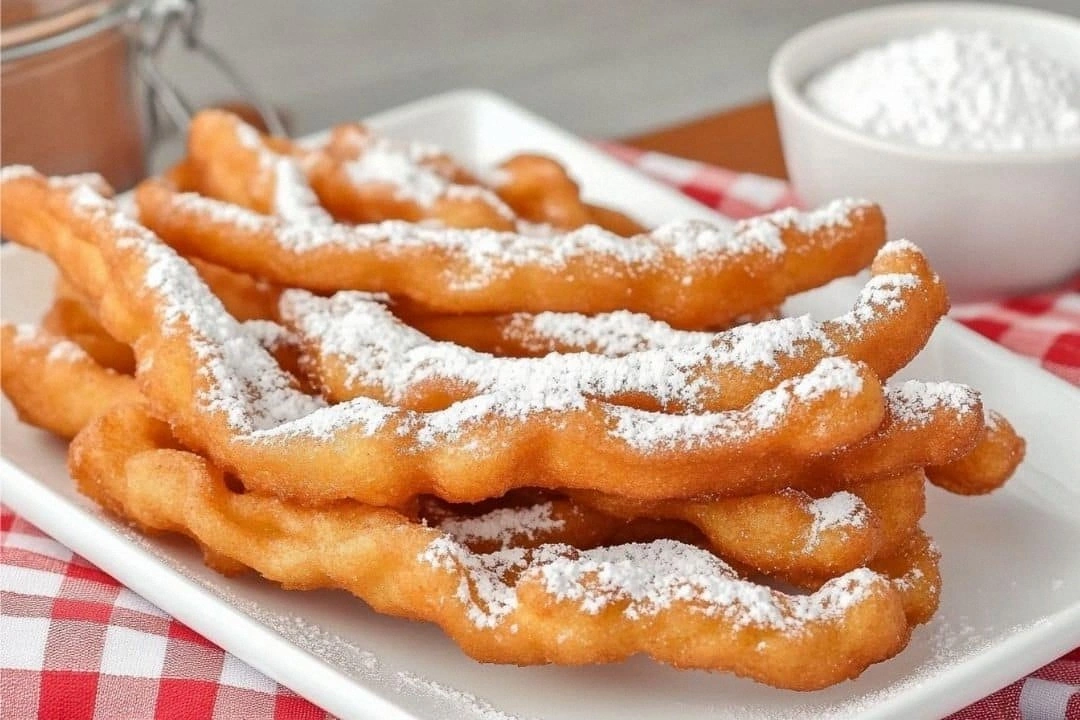
Picture the scene: a golden batter, thick enough to hold its shape, poured into a rotating funnel that creates a lattice of crispy strands. The aroma of vanilla and toasted flour fills the air, mingling with the faint scent of frying oil. The sound of the batter splattering against hot oil is a satisfying hiss that signals the beginning of a transformation. As each stick emerges, it curls into a delicate, airy spiral, crisped to a perfect golden brown on the outside while remaining soft and fluffy inside.
What makes this version stand out is not just the texture, but the way every element works in harmony to deliver a flavor profile that feels both familiar and fresh. The batter is thickened with a touch of baking powder, giving it a subtle lift that creates pockets of air and a tender crumb. The addition of a splash of milk and the whisking of eggs introduce richness without overpowering the delicate sweetness. The result is a confection that is airy, crisp, and utterly addictive, a true crowd-pleaser for any gathering.
I dare you to taste this and not go back for seconds; the first bite will have you craving the next. Most recipes get this completely wrong by overmixing the batter, which leads to a dense, rubbery texture that makes even the best frying oil look like a disappointment. I’ve perfected the balance by letting the batter rest for ten minutes before pouring, allowing the gluten to relax and the batter to thicken. Picture yourself pulling these sticks out of the oil, the whole kitchen smelling incredible, and the anticipation of the first crunch building in your mouth.
What Makes This Version Stand Out
- Texture: The batter’s thickness creates a crisp exterior while maintaining a light, airy interior that melts in your mouth.
- Flavor: A subtle vanilla infusion and a hint of sugar caramelize on the surface, giving a sweet, buttery finish.
- Ease: The recipe uses simple pantry staples, no fancy equipment, and a single pan for frying.
- Speed: From prep to plating, the entire process takes less than an hour, making it ideal for spontaneous gatherings.
- Versatility: The sticks can be dusted with powdered sugar, drizzled with chocolate, or topped with fresh fruit.
- Make‑ahead: The batter can be stored in the fridge for up to 24 hours, allowing you to whip up a batch on the fly.
- Visual Appeal: The lattice pattern of the sticks is a feast for the eyes, adding a touch of elegance to any dessert table.
- Audience: Kids love the fun shape, while adults appreciate the refined taste and crispness.
Alright, let's break down exactly what goes into this masterpiece...
Inside the Ingredient List
The Flavor Base
All-purpose flour is the backbone of any batter; it provides structure and a neutral canvas for the other flavors. Choosing a high-protein flour can yield a slightly chewier texture, while a lower-protein version will give a softer bite. If you’re looking for a gluten-free alternative, consider a blend of rice flour and tapioca starch, but keep in mind the texture will shift slightly. The flour should be sifted to eliminate lumps, ensuring a silky batter that pours smoothly from the funnel.
Granulated sugar adds sweetness that caramelizes on the surface, creating a subtle crunch. It also helps in browning, giving the sticks that golden hue. A pinch of salt balances the sweetness, enhancing the overall flavor profile. If you prefer a slightly darker finish, try using brown sugar; it will add a hint of molasses that pairs wonderfully with vanilla.
The Texture Crew
Baking powder is the secret lift that keeps the sticks airy. A small amount—just two teaspoons—is enough to create tiny pockets of steam, which expand during frying. Too much baking powder, however, can give a bitter aftertaste. Keep your baking powder fresh; it loses potency after a year, which can affect the lift.
Milk and eggs are the liquid backbone that bind everything together. The milk hydrates the flour, allowing the gluten to develop just enough for structure. Eggs provide protein, which coagulates during frying, giving the sticks a firm yet tender bite. For a richer flavor, substitute half the milk with whole milk or add a splash of cream.
The Unexpected Star
Vanilla extract is more than a flavoring; it’s a mood enhancer. The warm, floral notes of vanilla complement the sweetness and add depth. A teaspoon of pure vanilla extract is enough to infuse the batter with its essence. If you’re a fan of citrus, a drop of orange or lemon zest can add a bright twist.
A pinch of salt is a classic trick that elevates every bite. It sharpens the sweetness and brings out the natural flavors of the flour and sugar. Even a tiny amount—about half a teaspoon—makes a noticeable difference. Avoid using too much, as it can overpower the delicate balance.
The Final Flourish
Oil for frying is the hero that gives the sticks their crispy shell. Use a neutral oil with a high smoke point, such as canola or peanut oil, to avoid any off-flavors. Keep the oil at a steady 350°F; too hot and the sticks will burn, too cool and they’ll absorb excess oil. A deep-frying thermometer is a small investment that pays off with perfect results.
Powdered sugar for dusting is the finishing touch that turns a simple treat into a showstopper. It adds sweetness and a fine, snowy texture that contrasts with the crisp exterior. A light dusting is enough; too much can make the sticks soggy. For an extra flair, mix a teaspoon of ground cinnamon into the powdered sugar.
Everything's prepped? Good. Let's get into the real action...
The Method — Step by Step
- In a large mixing bowl, combine 2 cups of sifted all-purpose flour, 2 tablespoons of granulated sugar, 2 teaspoons of baking powder, and a pinch of salt. Whisk them together until evenly distributed. This dry mix forms the foundation of your batter, ensuring a smooth texture when combined with liquids.
- In a separate bowl, whisk together 1 ½ cups of milk and 2 large eggs until the mixture is homogenous. The eggs provide structure and richness, while the milk hydrates the flour. The combined liquid should be a light, slightly frothy consistency.
- Add 2 teaspoons of vanilla extract to the wet mixture and stir to incorporate. Vanilla brings a warm, aromatic depth that balances the sweetness of the sugar. Let the wet ingredients rest for a minute to allow the flavors to mingle.
- Pour the wet mixture into the dry mix, stirring gently until just combined. Be careful not to overmix; a few lumps are acceptable and will help create a lighter texture. The batter should be thick enough to coat the back of a spoon but still pourable.
- Heat 1 cup of oil in a deep, heavy-bottomed pot to 350°F (175°C). Use a thermometer to maintain the correct temperature; too hot and the sticks will burn, too cool and they’ll soak up oil. Let the oil settle for a few minutes before proceeding.
- Secure a funnel cake maker or a simple plastic funnel over the pot, ensuring it fits snugly. Pour a ladleful of batter into the funnel, allowing it to spread into a lattice pattern. The batter should flow slowly, creating clean, crisp strands. If you don’t have a funnel cake maker, you can use a squeeze bottle for a similar effect.
- Let the sticks fry until golden brown, about 2-3 minutes per side. Flip them carefully with tongs, watching for the edges to crisp and the interior to set. The scent of frying batter will fill the kitchen, a cue that your sticks are almost ready.
- Remove the sticks with tongs and let them drain on a rack or paper towels for a minute to remove excess oil. Dust them generously with powdered sugar, shaking off the excess. The sugar should coat the sticks evenly, giving a sweet, snowy finish.
- Serve immediately while the sticks are still warm and crisp. Offer a side of fresh berries, whipped cream, or a drizzle of chocolate sauce for dipping. The experience is best enjoyed hot, as the contrast between the crisp exterior and the soft interior is at its peak.
That's it — you did it. But hold on, I've got a few more tricks that'll take this to another level...
Insider Tricks for Flawless Results
The Temperature Rule Nobody Follows
Maintaining the oil at a consistent 350°F is crucial. Too hot and the sticks will char before the inside cooks; too cool and they’ll absorb oil, losing that coveted crunch. Use a thermometer to keep a steady temperature, and let the oil rest for a few minutes after heating before pouring the batter. This small step ensures each stick is evenly cooked and golden.
Why Your Nose Knows Best
Listen to the aroma of the batter. As the sticks cook, the smell of caramelizing sugar will signal that the exterior is crisping. If the scent is faint, the oil may be too cool. The scent is your best indicator of readiness, so trust your nose and don’t rush.
The 5-Minute Rest That Changes Everything
After mixing, let the batter rest for five minutes before frying. This allows the flour to absorb the liquid fully, reducing gluten development and resulting in a tender interior. A friend once skipped this step and the sticks turned out dense; the rest is a game-changer.
The Dusting Technique
When dusting powdered sugar, use a fine-mesh sifter to distribute it evenly. Shake the sifter over the sticks, allowing the sugar to settle like snow. For a decorative touch, dust the sticks with a mix of powdered sugar and cocoa powder, creating a chocolate-sugar swirl.
The Quick Cooling Trick
After frying, place the sticks on a wire rack to cool slightly. This allows excess oil to drip away and prevents the sticks from becoming soggy. A quick pass through a paper towel can also remove any remaining oil, keeping the sticks crisp.
Creative Twists and Variations
This recipe is a playground. Here are some of my favorite ways to switch things up:
Citrus Burst
Add a teaspoon of lemon zest to the batter for a bright, tangy note. Serve with a side of lemon curd or fresh berries to amplify the citrus flavor. This variation is perfect for summer gatherings.
Chocolate Lover’s Delight
Swirl in 1 tablespoon of cocoa powder into the batter for a chocolatey base. After frying, dip the sticks in melted chocolate and let them set. Top with crushed nuts for added crunch.
Spiced Edition
Incorporate a pinch of cinnamon, nutmeg, and a dash of cayenne pepper into the dry mix for a warm, spicy kick. The spices pair wonderfully with the sweet batter and create a comforting flavor profile.
Savory Surprise
Replace the sugar with a small amount of grated Parmesan and add herbs like rosemary or thyme to the batter. Serve with a dipping sauce of marinara or aioli. This savory take is a hit at brunches or casual parties.
Nutty Crunch
Fold in toasted almond slivers or crushed pecans into the batter before frying. The nuts add texture and a buttery flavor that complements the sweet, crispy sticks. Garnish with a drizzle of honey for a sweet finish.
Storing and Bringing It Back to Life
Fridge Storage
Cool the sticks completely, then store them in an airtight container at room temperature for up to 2 days. They’ll maintain their crispness if kept in a dry, cool area. Avoid sealing them in a sealed bag, as trapped steam can make them soggy.
Freezer Friendly
Place the cooled sticks on a parchment-lined tray and freeze for up to 2 weeks. Once frozen, transfer them to a freezer bag. When ready to serve, thaw at room temperature for 30 minutes before reheating.
Best Reheating Method
Reheat in a 400°F oven for 5 minutes, or in a skillet over medium heat for 2 minutes. Add a splash of water to the skillet and cover briefly to create steam, which helps restore moisture without losing crispness. Serve immediately for the best texture.