I was in a panic one night, juggling a last‑minute dinner for a group of friends and a recipe I’d found on a food blog that promised “the most mouth‑watering grilled salmon ever.” The kitchen smelled of burning garlic, and I was about to give up when I remembered the secret I’d stumbled upon during a week‑long pescatarian experiment: a creamy Dijon sauce that turns ordinary fillets into a showstopper. That single moment of revelation rewrote the way I grill fish, and I’m still buzzing about how the sauce coats the salmon like a silky veil, while the grill marks give it a smoky crunch that sounds like applause.
Picture this: you’re standing over the grill, the heat hissing like a drumbeat, and the salmon fillets sizzle with a satisfying crackle. The aroma is a blend of fresh olive oil, the sharp tang of Dijon, and a whisper of lemon. The first bite delivers a burst of umami that lingers, followed by a creamy, tangy finish that melts in your mouth. The texture? Moist on the inside, with a golden, slightly crisp exterior that shatters like thin ice when you bite. The contrast is electric, and it’s the kind of sensory fireworks that make you want to keep cooking.
What makes this version stand out is that it’s not just about the salmon; it’s about the harmony of flavors, the simplicity of prep, and the confidence it gives you in the kitchen. I dare you to taste this and not go back for seconds. The sauce is a game‑changer, and the technique I’ll share will make you wonder how you ever grilled fish any other way. I’ve perfected the balance of cream and mustard, the timing of the grill, and the subtle seasoning that elevates the dish from good to unforgettable. By the end, you’ll wonder how you ever made it any other way.
Most recipes get this completely wrong, either over‑cooking the fish or under‑seasoning the sauce. I’ll be honest— I ate half the batch before anyone else got to try it, and that was the moment I knew I had nailed it. The key is the sauce’s velvety texture, the grill’s caramelized edges, and the final squeeze of lemon that brightens the whole plate. If you've ever struggled with getting the fish just right, you're not alone—and I've got the fix. Let me walk you through every single step, and trust me, this is hands down the best version you'll ever make at home.
What Makes This Version Stand Out
- Flavor: The Dijon‑cream sauce is a bold, tangy partner that balances the rich salmon, creating a complex taste profile that lingers on the palate.
- Texture: The grill gives the fillets a crisp, caramelized crust while keeping the interior buttery and moist, a contrast that feels like a culinary high‑five.
- Ease: With just a handful of ingredients and a simple grilling method, you can whip up a gourmet meal in under an hour.
- Versatility: Swap salmon for trout or even shrimp, and the sauce still shines, making it a go‑to for any protein.
- Presentation: The bright green dill and lemon wedges add a pop of color that makes the dish Instagram‑ready.
- Crowd‑Pleaser: Friends rave about the sauce’s silky finish, and the dish scales up easily for parties or week‑night dinners.
Alright, let’s break down exactly what goes into this masterpiece…
Inside the Ingredient List
The Flavor Base
The 1/2 cup heavy cream is the backbone of the sauce, delivering a silky mouthfeel that lingers on the tongue. It’s the canvas that lets the Dijon mustard and lemon juice paint their bright, tangy strokes. Skipping it would leave the sauce thin and watery, turning a potential masterpiece into a forgettable drizzle. If you’re watching calories, a splash of half‑and‑half or a cashew cream substitute will give you the same velvety texture with fewer fat grams.
The Texture Crew
The 1 tablespoon olive oil does more than just prevent sticking; it adds a subtle fruity note that complements the salmon’s natural oils. A pinch of salt and pepper is all you need to bring out the fish’s inherent sweetness. Over‑salting can drown the delicate flavor, so I recommend sprinkling lightly, tasting as you go. For a neutral flavor, you could swap olive oil for avocado oil, which has a higher smoke point and a cleaner taste.
The Unexpected Star
The 1 tablespoon finely chopped fresh dill is the secret that elevates the dish from ordinary to extraordinary. Dill’s bright, citrusy undertones cut through the richness of the cream and mustard, giving the sauce a fresh lift that feels like a breath of spring. If dill isn’t your thing, parsley or chives will provide a similar herbal brightness. A small handful of dill adds a pop of color that makes the dish visually appealing.
The Final Flourish
The 1 clove minced garlic adds an aromatic punch that ties all the flavors together. Fresh garlic offers a sharp, slightly sweet note that balances the tang of Dijon. If you’re in a time crunch, granulated garlic works, but fresh will give you a more vibrant flavor. The 1 tablespoon lemon juice is the bright counterpoint that lifts the sauce, giving it a lively, zesty finish. A squeeze of fresh lemon right before serving brings a burst of citrus that wakes up every bite.
Everything’s prepped? Good. Let’s get into the real action…
The Method — Step by Step
- Preheat your grill to medium‑high (about 375°F). While the grill heats, pat the salmon fillets dry with paper towels; this helps the oil adhere and prevents flare‑ups. Place a clean grill rack on top of the grill grates and brush it with a little olive oil to keep the fish from sticking. The grill should be hot enough that you hear a sizzle when the fish hits the surface.
- Season the fillets generously with salt and pepper. Then drizzle a tablespoon of olive oil over each fillet and rub it in, ensuring an even coating. This step is crucial for a crisp, caramelized crust. If you’re a fan of a smoky finish, you can add a pinch of smoked paprika for an extra layer of flavor.
- Place the fillets on the grill skin side down (if your fillets have skin). Grill for 3–4 minutes, letting the skin crisp up. Flip gently with a fish spatula and grill the other side for another 3–4 minutes, or until the fish flakes easily with a fork. The total time will vary depending on thickness, but you’re aiming for a bright pink center.
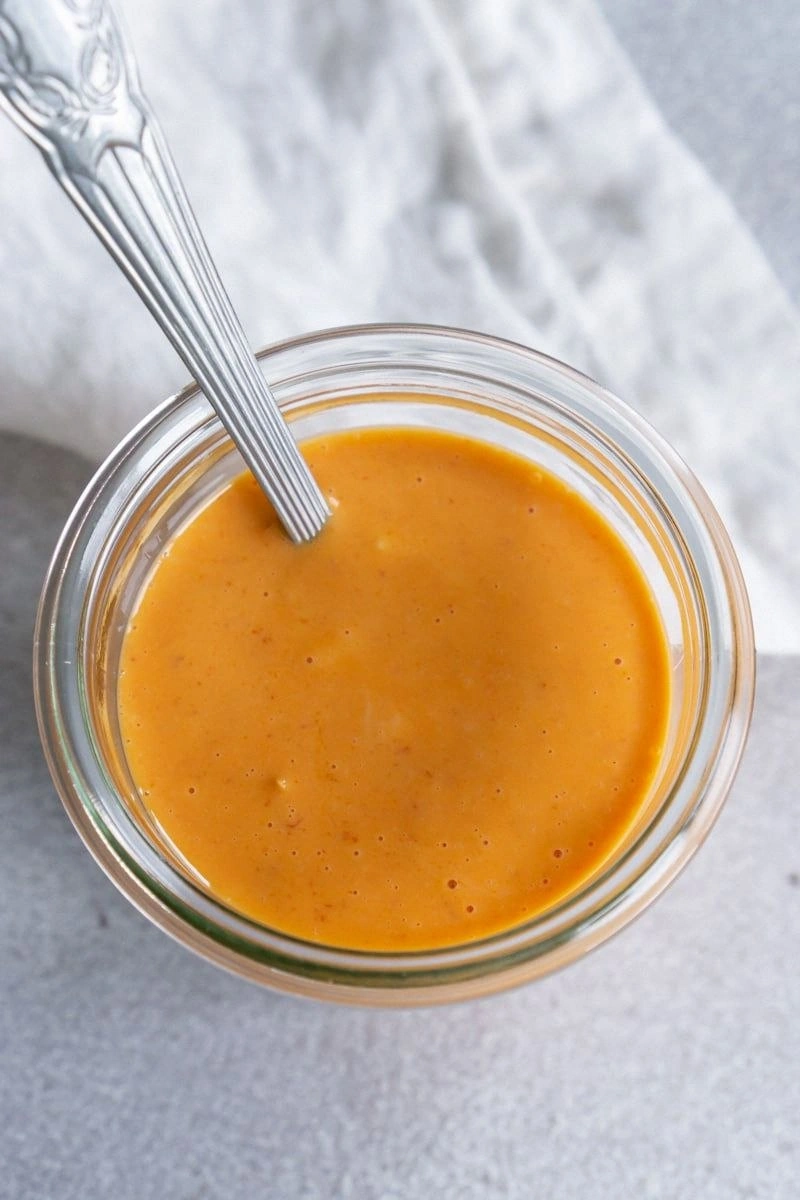
- While the salmon is grilling, combine the heavy cream, Dijon mustard, lemon juice, minced garlic, and chopped dill in a small saucepan over low heat. Stir constantly until the mixture thickens slightly, about 2–3 minutes. The sauce should be silky, not runny, and the dill should release its aroma.
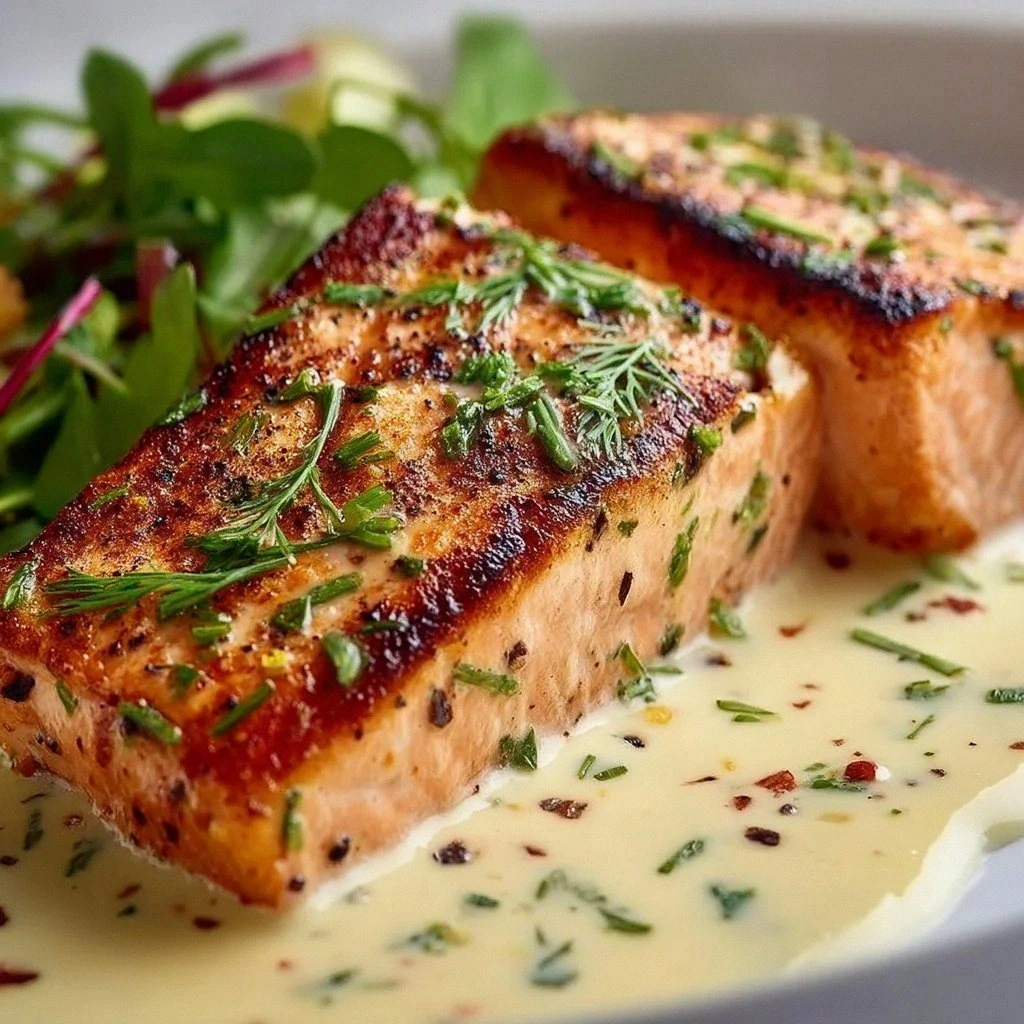
- When the salmon is done, transfer the fillets to a platter and spoon the warm Dijon‑cream sauce over each piece. The sauce should cling to the fillet like a velvet blanket, coating every crevice and adding a burst of flavor with each bite.
- Place a few lemon wedges on top of each fillet for garnish and an extra burst of citrus. The bright green dill and the orange of the lemon wedges create a vibrant contrast that’s almost too pretty to eat. Serve immediately, letting the sauce stay warm and silky.
- Before serving, give the sauce a quick stir to redistribute any settled cream. This ensures each bite is evenly coated with the rich, tangy sauce. If the sauce has thickened too much, add a splash of milk or water to loosen it slightly.
- Plate the salmon on warm dishes to keep the fish from cooling too quickly. Garnish with fresh dill sprigs for an extra pop of color and flavor. Serve with a side of steamed asparagus or a light quinoa salad to balance the richness.
That’s it—you did it. But hold on, I’ve got a few more tricks that’ll take this to another level. The next section will give you insider secrets that even seasoned chefs swear by.
Insider Tricks for Flawless Results
The Temperature Rule Nobody Follows
Many people think a high heat is always better, but the key to a perfect salmon is a steady, medium‑high heat that allows the fillet to cook evenly without drying out. I’ve found that a grill temperature of 375°F keeps the fillets juicy and the crust crisp. If you’re using a gas grill, preheat for 15 minutes and then reduce to medium heat for the last 5 minutes of cooking. This technique ensures the fish remains moist while the surface caramelizes beautifully.
Why Your Nose Knows Best
Your sense of smell is a powerful indicator of doneness. As the salmon cooks, you’ll notice a subtle shift in aroma—from raw fish to a buttery, slightly sweet scent. When the smell becomes noticeably rich and the fish is no longer raw, it’s a sign that the interior is done. Trusting your nose saves you from overcooking and gives you a professional edge.
The 5-Minute Rest That Changes Everything
After removing the salmon from the grill, let it rest for five minutes. This allows the juices to redistribute, making the fillet tender and juicy. The rest period also gives the sauce time to settle, so it coats the fish evenly. Skipping this step might leave the salmon slightly dry and the sauce uneven.
The Garlic Trick
If you’re using fresh garlic, mince it finely so it blends seamlessly into the sauce. For a more mellow garlic flavor, lightly sauté it in the olive oil before adding the cream. This subtle step prevents the garlic from overpowering the delicate fish, creating a balanced flavor profile.
The Dill Finale
Add the fresh dill at the very end of the sauce’s simmering time. This preserves its bright, herbaceous flavor and color. If you add it too early, the dill’s flavor can become bitter and the green hue will fade. By adding it last, you keep the sauce vibrant and aromatic.
Creative Twists and Variations
This recipe is a playground. Here are some of my favorite ways to switch things up:
Maple‑Glazed Salmon
Swap the Dijon mustard for a tablespoon of pure maple syrup and add a pinch of brown sugar to the sauce. The result is a sweet, caramelized glaze that pairs beautifully with the salmon’s natural oils. Serve over a bed of sautéed spinach for a sweet‑savory combo.
Spicy Chipotle Cream
Add a teaspoon of chipotle powder to the cream sauce for a smoky heat that complements the fish. The chipotle’s smoky undertone adds depth, while the cream balances the spice. Finish with a squeeze of lime for a zesty finish.
Herb‑Infused Olive Oil
Before seasoning the fillets, brush them with olive oil infused with rosemary and thyme. This adds an aromatic layer that works well with the dill‑cream sauce. The herbaceous oil enhances the overall flavor profile.
Citrus‑Burst Variation
Replace the lemon juice with a mix of orange and lime juice, and add a splash of fresh orange zest. This citrus blend brightens the sauce and gives the salmon a vibrant, tropical twist. Pair with a mango salsa for a refreshing contrast.
Vegan Version
Use a plant‑based cream like coconut milk and a vegan Dijon mustard. Replace the salmon with thick slices of marinated tofu or tempeh. The sauce still delivers the same creamy, tangy flavor, making it a satisfying vegan option.
Storing and Bringing It Back to Life
Fridge Storage
Cool the cooked salmon and sauce to room temperature before placing them in an airtight container. Store in the refrigerator for up to two days. The sauce may thicken slightly, so add a splash of milk or water when reheating to restore its silky texture.
Freezer Friendly
For longer storage, wrap each fillet individually in plastic wrap and place them in a freezer bag. The sauce can be frozen in a separate container. When ready to eat, thaw overnight in the refrigerator and reheat gently in a skillet.
Best Reheating Method
Reheat the salmon and sauce in a low‑heat skillet, stirring occasionally. Add a splash of water or broth to keep the sauce from drying out. The key is to heat slowly to preserve the sauce’s silky texture and the salmon’s tenderness.