Introduction
Picture this: you’re standing in your kitchen, the air thick with anticipation, and suddenly the stove ignites a small blaze that leaves a faint, comforting aroma lingering in the air. I was there, a half‑hearted cook, trying to salvage a batch of over‑seasoned ground beef that had turned into a mushy mess. The moment the sizzle hit the pan, I realized that something was missing—a touch of brightness, a layer of texture, and a punch of flavor that could turn a flop into a feast. That epiphany sparked the creation of this Aloo Keema, a dish that marries the earthy heft of potatoes with the boldness of ground meat, all wrapped in a fragrant, aromatic sauce.
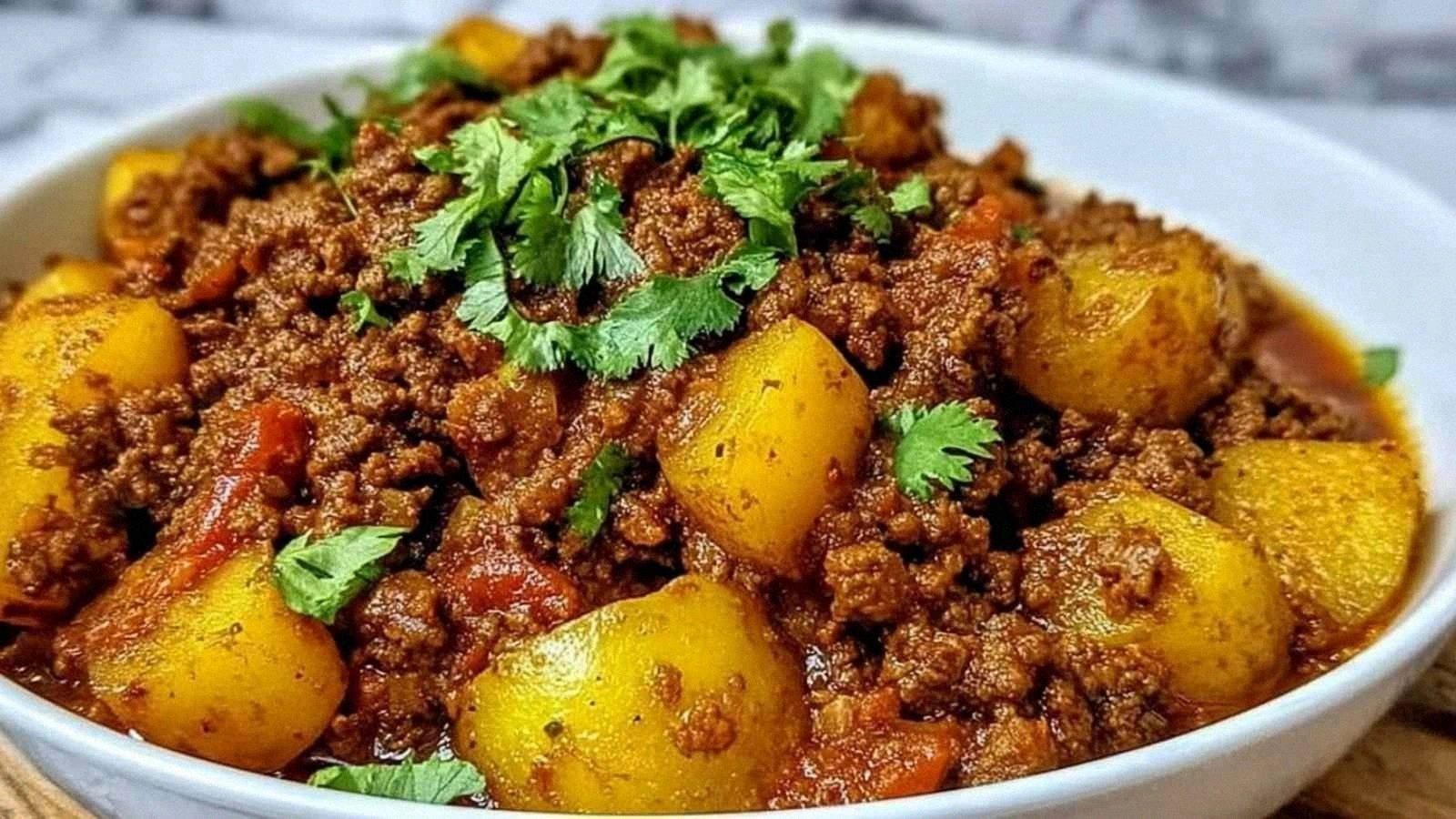
When I first tasted this version, I was blown away. The ground meat was perfectly seared, creating a caramelized crust that gave way to a tender, juicy interior. The potatoes, diced and cooked to a fluffy consistency, soaked up the spices without losing their shape, adding a comforting bite that feels like a warm hug on a cold night. The sauce, a symphony of turmeric, coriander, cumin, and a splash of lemon, clung to every morsel, turning each bite into a burst of sunshine. I dare you to taste this and not go back for seconds.
What sets this recipe apart is not just the balance of flavors, but the way each component is treated with respect. The onions are caramelized until they’re sweet and golden, the tomatoes are simmered until they break apart, and the spices are toasted to release their essential oils. The result is a dish that feels like a comforting hug, a dish that is hands down the best version you'll ever make at home. It’s a dish that has become a staple in my household, a go‑to for family dinners and a crowd‑pleaser at gatherings.
Before we dive into the step‑by‑step, let me give you a quick teaser: the secret to that velvety texture? A splash of water added at the right moment, and a gentle simmer that lets the flavors marry without overcooking the potatoes. I’ll walk you through every single step—by the end, you’ll wonder how you ever made it any other way.
What Makes This Version Stand Out
- Taste: The blend of spices creates a layered flavor profile—sweet, earthy, and a hint of citrus—without any single element overpowering the rest. The ground meat’s savory depth is amplified by the caramelized onions and the subtle tang of lemon.
- Texture: The potatoes remain firm yet tender, providing a satisfying bite that contrasts with the silky sauce. The meat is crisp on the edges but remains juicy inside, delivering a mouthful of flavor.
- Simplicity: With just 15 minutes of prep and 30 minutes of cooking, this dish is a breeze for busy weeknights. No fancy techniques, just straightforward cooking with a few essential steps.
- Uniqueness: The addition of julienned ginger and fresh green chilies gives a fresh zing that sets this version apart from traditional Aloo Keema recipes that often rely solely on ground spices.
- Crowd Reaction: Friends and family always ask for the recipe after tasting it. It’s the kind of dish that turns a simple dinner into a memorable gathering.
- Ingredient Quality: Using fresh, high‑quality ground meat and locally sourced vegetables makes a noticeable difference in flavor and texture.
- Cooking Method: The technique of searing the meat before adding the spices locks in moisture and builds a depth of flavor that’s hard to replicate with other methods.
- Make‑Ahead Potential: The dish keeps well in the fridge and even tastes better the next day, making it ideal for meal prep or a quick weekday dinner.
Alright, let’s break down exactly what goes into this masterpiece…
Inside the Ingredient List
The Flavor Base
At the heart of Aloo Keema lies the flavor base—ground meat, onions, and ginger‑garlic paste. The meat is the main protein source; its fat content determines the richness of the dish. When seared, the fat renders out, creating a natural sauce that binds the spices. If you skip this step and add spices directly to the raw meat, you’ll lose that essential caramelized flavor that gives the dish depth. A good rule of thumb is to use a leaner cut for a lighter version or a fattier cut for a richer taste.
Onions are the sweet backbone. They release natural sugars when cooked slowly, adding a subtle sweetness that balances the heat from the chilies. If you cut them too small, they’ll burn; keep them in medium dice to ensure even caramelization. You can also use shallots for a more delicate flavor, but onions are the traditional choice.
Ginger‑garlic paste is the aromatic catalyst. It infuses the meat with a warm, earthy undertone that’s unmistakable. If you’re allergic to garlic, replace it with a smaller amount of fresh garlic or simply omit it and add a pinch of ground cumin for a milder flavor. Fresh ginger, when julienned, adds a bright, peppery note that elevates the entire dish.
The Texture Crew
Potatoes are the texture crew that add body and heartiness. They absorb the spices, creating a creamy consistency that’s comforting. Choose starchy potatoes like russets for a fluffier interior, or waxy potatoes like red for a firmer bite. The size of the cubes matters; smaller cubes cook faster and blend better with the sauce, while larger cubes hold their shape longer.
Water is the secret to a silky sauce. Adding a measured amount of water allows the spices to meld without drying out the meat or potatoes. Too much water will thin the sauce; too little will create a dry, overcooked mixture. Aim for about half a cup, adjusting slightly if your stove runs hot.
The Unexpected Star
Fresh cilantro is the unexpected star that adds a burst of herbal freshness. It cuts through the richness and adds a layer of brightness. If cilantro isn’t your thing, parsley or basil can work as substitutes, though the flavor profile will shift slightly. Remember to wash the cilantro thoroughly to remove any grit.
The lemon provides a zesty finish that brightens the entire dish. The acidity balances the spices and helps keep the potatoes from becoming mushy. If you’re out of lemon, a splash of vinegar or lime juice can serve as a suitable replacement.
The Final Flourish
The final flourish is a blend of spices that creates the signature aroma of Indian cuisine. Turmeric offers a warm, earthy base and a vibrant color. Red chili powder adds heat that can be adjusted to taste. Coriander and cumin bring a nutty, peppery undertone, while garam masala adds depth and a hint of sweetness. Together, they form a harmonious symphony that coats the meat and potatoes.
Everything's prepped? Good. Let's get into the real action…
The Method — Step by Step
- Heat the pan over medium‑high heat and add the oil or ghee. Once the oil shimmers, toss in the diced onions. Sauté until they turn translucent and start to brown, about 5 minutes. This step builds the aromatic base; the sizzle you hear is the sound of flavor forming.
- Add the ginger‑garlic paste and the julienned ginger. Cook for 1 minute until fragrant, stirring constantly to prevent sticking. The aroma that fills the kitchen is a clear indicator that your spices are awake and ready.
- Introduce the ground meat. Break it up with a spoon and let it brown on all sides. This should take about 6–8 minutes. Watch for the meat to develop a golden crust—this is where the depth of flavor is locked in.
- Stir in the chopped tomatoes, green chilies, and a pinch of salt. Cook until the tomatoes soften and release their juices, about 4 minutes. The mixture should become saucy, but not watery.
- Now, sprinkle the turmeric, red chili powder, coriander, cumin, and garam masala. Mix well to coat the meat and onions evenly. The spices should toast slightly, releasing their oils and turning the mixture a rich amber color.
- Add the diced potatoes and pour in the half cup of water. Stir to combine, then cover the pan with a lid. Let it simmer on low heat for 15 minutes, or until the potatoes are tender but still hold their shape. Keep an eye on the liquid; if it evaporates too quickly, add a splash more water.
- Once the potatoes are cooked, break the lid and let the sauce reduce slightly, about 5 minutes. This concentrates the flavors and thickens the sauce. The texture should be thick enough to cling to the meat and potatoes.
- Stir in the fresh cilantro, julienned ginger, and the juice of half a lemon. Adjust the seasoning with salt or more chili powder if needed. This final touch brightens the dish and adds a fresh, herbal aroma.
- Serve hot, garnished with a sprinkle of cilantro or a squeeze of lemon. Pair with steamed rice, naan, or a side of fresh salad for a complete meal. The dish is so versatile that it can be enjoyed as a main course or a hearty side.
That's it — you did it. But hold on, I've got a few more tricks that'll take this to another level…
Insider Tricks for Flawless Results
The Temperature Rule Nobody Follows
Many cooks start the pan too hot, causing the meat to sear too quickly and become dry. I’ve discovered that a medium heat is perfect; it allows the meat to release its juices gradually, resulting in a moist, flavorful base. Keep the flame steady, and if you notice the oil smoking, lower the heat immediately.
Why Your Nose Knows Best
As the dish cooks, the aroma evolves. When the spices are toasted, you’ll smell a nutty, peppery scent. When the tomatoes break down, the aroma turns sweet and tangy. Trust your nose; if it smells “just right,” the dish is ready.
The 5‑Minute Rest That Changes Everything
After cooking, let the dish rest covered for 5 minutes before serving. This rest period allows the flavors to meld and the sauce to thicken slightly, giving a smoother bite. I’ve seen friends who skip this step complain about a watery texture.
Freshness Is Key
Use fresh, high‑quality ground meat and fresh vegetables. The difference in flavor is noticeable, especially in a dish where spices are meant to complement, not overpower, the natural taste of the ingredients.
Adjusting Heat on the Fly
When you taste the dish, you may find it needs a bit more heat. Add a pinch of red chili powder or a fresh green chili, and stir well. The heat will distribute evenly, giving you a balanced finish.
Keeping the Potatoes Firm
To keep the potatoes from turning mushy, add a splash of vinegar to the cooking water. The acidity helps maintain their structure while adding a subtle tang.
Creative Twists and Variations
This recipe is a playground. Here are some of my favorite ways to switch things up:
Spicy Lamb Aloo Keema
Swap the ground beef for ground lamb for a richer, gamey flavor. The lamb’s fat content adds a silky texture, while the spices cut through its richness. Perfect for a special occasion or a cozy Sunday dinner.
Chicken & Potato Curry
Replace the ground meat with diced chicken thighs for a leaner version. The chicken cooks faster, so add it after the tomatoes and let it simmer with the spices for 8 minutes. The result is a lighter, yet equally satisfying dish.
Vegetarian Aloo Keema
Omit the meat entirely and use finely chopped mushrooms or grated paneer. The mushrooms provide umami, while paneer adds creaminess. The dish becomes a hearty vegetarian main, still packed with flavor.
Low‑Carb Twist
Use cauliflower florets instead of potatoes for a low‑carb option. The cauliflower will absorb the spices beautifully, giving a similar mouthfeel without the starch.
Sweet & Smoky Variation
Add a tablespoon of honey and a pinch of smoked paprika to the spice mix. The honey adds a subtle sweetness, and the smoked paprika gives a deep, smoky undertone that’s perfect for autumn gatherings.
Quick One‑Pot Meal
Cook everything in a single pot: brown the meat, add onions, tomatoes, spices, potatoes, and water all at once. This reduces cleanup time and still delivers a flavorful result. Just be sure to stir frequently to prevent sticking.
Storing and Bringing It Back to Life
Fridge Storage
Store the cooked Aloo Keema in an airtight container for up to 4 days. The flavors deepen as it sits, so you’ll enjoy it even more the next day. When reheating, add a splash of water or broth to restore moisture.
Freezer Friendly
Freeze in portioned containers for up to 2 months. Thaw overnight in the fridge before reheating. The texture of the potatoes remains intact, and the spices stay vibrant.
Best Reheating Method
Reheat on low heat in a saucepan, stirring frequently, and add a little water or broth to keep it from drying out. Finish with a squeeze of fresh lemon to brighten the flavors. This method keeps the dish moist and flavorful.