Introduction
Picture this: I was scrambling to salvage a last‑minute dinner after a friend’s “quick” Thai take‑out order went horribly wrong. The rice was mushy, the sauce was bland, and the vegetables were limp. I stared at the plate, feeling the sting of culinary disappointment, and thought, “If only there were a simple, fresh, and utterly delicious alternative that could be whipped up in minutes.” That moment sparked the creation of this Thai Peanut Salad, a dish that marries crispness, heat, and a velvety peanut sauce into a single, unforgettable bowl.
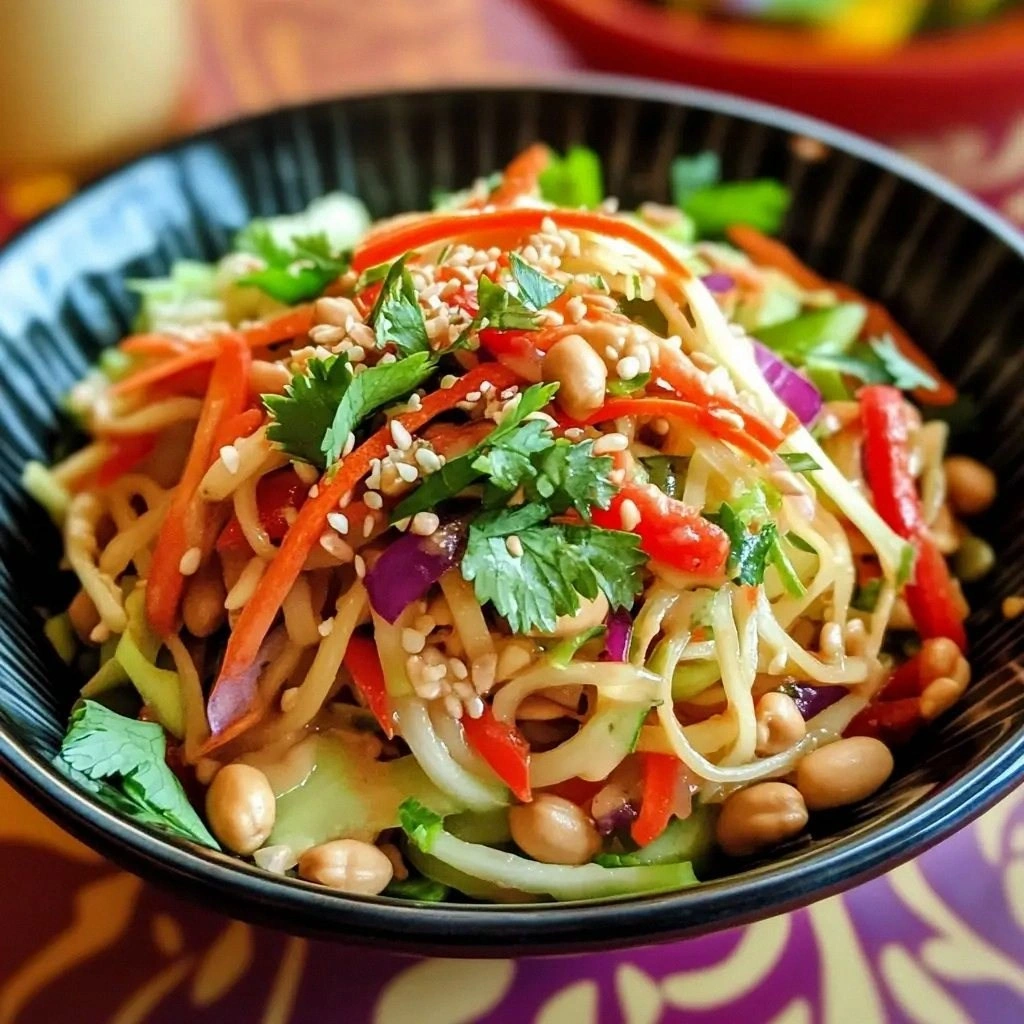
When you first open the container, the aroma is a bright, citrusy burst that immediately awakens your senses. The crunch of shredded cabbage and carrots is audible even before you take a bite, and the faint snap of fresh cilantro and green onions adds a melodic layer. The sauce, with its deep honey‑sweet undertones and subtle umami from fish sauce, coats each vegetable like velvet, creating a harmony of textures that dance across the palate. The final touch of lime juice brightens everything, leaving a lingering citrus finish that makes your tongue tingle.
What sets this version apart from the endless variations you’ll find online is that it balances every element—sweet, salty, spicy, and sour—without any single flavor overpowering the rest. The peanut butter is creamy but not heavy, the peanuts add a satisfying crunch, and the fresh ginger and garlic provide a subtle kick that keeps the dish from feeling one‑dimensional. I’ve also added a touch of chili flakes for a gentle heat that’s easy to control, making it suitable for both seasoned spice lovers and those who prefer a milder bite.
And here’s a teaser: the sauce’s secret lies in a quick toasting of the peanuts before blending. This step releases a nutty aroma that elevates the entire dish, turning ordinary peanuts into a flavor powerhouse. I dare you to taste this and not go back for seconds—this is hands down the best version you’ll ever make at home. Let me walk you through every single step—by the end, you’ll wonder how you ever made it any other way.
What Makes This Version Stand Out
- Taste: The sauce strikes a perfect balance between sweet and savory, with a subtle hint of citrus that lifts every bite. The peanuts add a buttery depth that lingers on the palate.
- Texture: Every component—from crunchy cabbage to silky sauce—offers a contrasting mouthfeel, keeping the dish exciting from the first forkful to the last.
- Freshness: Using only raw, high‑quality vegetables ensures a bright, crisp bite that feels like a breath of fresh air.
- Heat Control: The chili flakes are optional, so you can dial the heat up or down without compromising the overall flavor profile.
- Make‑Ahead Friendly: The salad can be assembled up to 24 hours ahead, allowing the flavors to meld while the vegetables stay crisp.
- Visual Appeal: The vibrant colors of red cabbage, orange carrot, and green cilantro create an Instagram‑ready plate that’s as beautiful as it is tasty.
Alright, let's break down exactly what goes into this masterpiece…
Inside the Ingredient List
The Flavor Base
At the heart of the salad lies a sauce that’s deceptively simple yet incredibly layered. Creamy peanut butter provides a velvety texture, while honey and brown sugar introduce a subtle sweetness that counterbalances the salty soy and fish sauces. The lime juice brightens the mix, and a splash of rice vinegar adds a gentle acidity that keeps the flavors from becoming cloying. Each component works in harmony, ensuring that no single ingredient dominates the others.
The Texture Crew
Shredded red cabbage and carrots bring a satisfying crunch that keeps the salad from feeling soggy. Sliced cucumber adds a watery freshness, and diced red bell pepper offers a sweet bite that complements the savory sauce. Green onions and cilantro provide aromatic freshness, while roasted peanuts contribute a nutty crunch that punctuates each mouthful. Skipping any of these would leave the dish feeling incomplete.
The Unexpected Star
Fresh ginger and garlic are the unsung heroes of this recipe. They cut through the richness of the peanut sauce and add a subtle heat that lingers pleasantly. If you’re not a fan of raw ginger, lightly sauté it in a splash of sesame oil before adding it to the sauce to mellow its bite. This small tweak can make the dish more approachable for those who prefer a milder flavor.
The Final Flourish
Chili flakes or a finely chopped fresh red chili add a gentle heat that can be adjusted to your taste. A pinch of salt and pepper fine‑tunes the overall seasoning, ensuring the dish isn’t too flat. The final squeeze of lime juice just before serving brightens the flavors, giving the salad a lively, refreshing finish. These finishing touches are essential; they transform the salad from good to unforgettable.
Everything's prepped? Good. Let's get into the real action…
The Method — Step by Step
- Start by toasting the peanuts. Heat a dry skillet over medium heat, add the peanuts, and stir constantly until fragrant, about 3 minutes. Remove them from the skillet and let them cool. This simple step releases a nutty aroma that will infuse the sauce with depth.
- In a blender or food processor, combine the peanut butter, honey, soy sauce, fish sauce, lime juice, rice vinegar, sesame oil, grated ginger, minced garlic, and chili flakes. Blend until the mixture is smooth and slightly thick. If the sauce is too thick, add a splash of water or extra lime juice to reach the desired consistency.
- While the sauce is blending, prepare the vegetables. In a large mixing bowl, toss shredded cabbage, shredded carrots, sliced cucumber, diced red bell pepper, chopped cilantro, and sliced green onions. The vegetables should be fresh and crisp; if they’re wilted, rinse them under cold water and pat dry.
- Pour the freshly blended sauce over the vegetables. Toss vigorously until every leaf and carrot slice is evenly coated. The sauce should cling to each piece, creating a glossy, flavorful coating that doesn’t make the salad soggy.
- Add the roasted peanuts to the bowl. Gently fold them in so they’re distributed throughout the salad without breaking them into small pieces. The peanuts add a delightful crunch that contrasts beautifully with the tender vegetables.
- Taste the salad and adjust the seasoning. Add a pinch of salt if needed, or more lime juice for brightness. Remember, the balance of sweet, salty, and sour is key to this dish’s signature flavor.
- Cover the bowl with plastic wrap and refrigerate for at least 30 minutes to allow the flavors to meld. If you’re preparing this salad ahead of time, keep it chilled for up to 24 hours.
- When ready to serve, give the salad a quick stir to redistribute the sauce. Garnish with extra chopped cilantro or a sprinkle of sesame seeds if desired. Serve immediately for the best crunch, or keep it chilled for a refreshing lunch option.
That's it — you did it. But hold on, I've got a few more tricks that'll take this to another level…
Insider Tricks for Flawless Results
The Temperature Rule Nobody Follows
Many cooks think the sauce can be added at room temperature, but the key to a silky coating is to keep it slightly warm. Warm the sauce just until it’s pourable, then let it cool to room temperature. This prevents the sauce from seeping into the vegetables and making them soggy.
Why Your Nose Knows Best
Smell the sauce before pouring it over the vegetables. A bright citrusy aroma indicates the lime juice is fresh, while a deep nutty scent signals the peanuts are properly toasted. If the aroma feels flat, consider adding a splash of rice vinegar or a pinch of salt to revive the flavor.
The 5-Minute Rest That Changes Everything
After tossing the vegetables with the sauce, let the salad sit for 5 minutes before serving. This short rest allows the flavors to meld without the vegetables wilting, resulting in a more harmonious bite.
Keep It Crunchy, Not Sloppy
If you prefer a crisp salad, add the sauce just before serving. If you like the vegetables to be fully coated, toss them in the sauce 30 minutes ahead and refrigerate. The texture will differ, so choose based on your mood.
Balance Sweetness with Salt
Honey or brown sugar can make the dish overly sweet if not balanced. Add a pinch of sea salt to cut through the sweetness and enhance the overall flavor profile. This small adjustment makes the dish feel more rounded.
Use Fresh Ingredients for Fresh Flavor
Fresh herbs and vegetables are essential. Stale cilantro or wilted cabbage can dampen the dish’s bright, vibrant character. Always source fresh produce from a reputable market to ensure maximum freshness.
Creative Twists and Variations
This recipe is a playground. Here are some of my favorite ways to switch things up:
Protein Power-Up
Add grilled chicken, tofu, or shrimp for a protein boost. Marinate the protein in a small portion of the sauce before grilling to infuse the flavor throughout. This variation turns the salad into a hearty main dish.
Spicy Sriracha Splash
Replace chili flakes with a spoonful of Sriracha for a more intense heat and a smoky undertone. The sauce will have a slightly sweeter, more complex flavor profile that pairs well with the creamy peanut base.
Asian Fusion Wrap
Use the salad as a filling for lettuce wraps or rice paper rolls. The crisp vegetables and silky sauce make for a satisfying handheld meal, perfect for a quick lunch or party appetizer.
Sweet and Tangy Twist
Swap the honey for maple syrup and add a splash of tamarind paste for an extra tang. This variation brings a sweet‑sour balance that complements the savory sauce and brightens the overall taste.
Vegan Vibes
Omit the fish sauce and replace it with extra soy sauce or tamari for a completely plant‑based version. The flavor remains rich and satisfying, proving that this salad can be enjoyed by all dietary preferences.
Herb Explosion
Introduce mint or Thai basil for an aromatic twist. These herbs bring a fresh, cooling contrast to the heat of the chili flakes, creating a multi‑dimensional flavor experience.
Storing and Bringing It Back to Life
Fridge Storage
Store the salad in an airtight container in the refrigerator for up to 24 hours. Keep the sauce and vegetables separate if you want to maintain maximum crunch. When ready to serve, toss the sauce back in and give it a quick stir.
Freezer Friendly
Freezing the salad is not recommended because the vegetables will lose their crispness. However, you can freeze the sauce alone and thaw it when needed. Re‑whisk the sauce before using to restore its consistency.
Best Reheating Method
If you must reheat the salad, do so gently. Warm the sauce in a small saucepan over low heat, stirring until it reaches the desired temperature. Add a splash of water to prevent it from thickening, then drizzle it over the chilled vegetables.