Picture this: the kitchen clock reads 7:45 PM, the fridge is a barren wasteland, and the only thing that can save the night is a quick, flavor‑packed dinner. I stared at the two salmon fillets on the counter, feeling the familiar dread of last night’s overcooked fish that turned into a dry, flavorless slab. Then I remembered the jar of Thai sweet chili sauce that had been sitting in my pantry, begging for adventure. I grabbed a handful of garlic, a splash of soy sauce, and a dash of sambal oelek, and I knew I was about to rewrite the salmon story. This isn’t just another recipe; it’s a culinary dare that will have you shouting, “I dare you to taste this and not go back for seconds.”
The moment the fillets hit the pan, a sizzling chorus erupted, filling the kitchen with a caramelized aroma that made my mouth water. The sauce, thick and glossy, clung to the fish like a velvet blanket, promising sweetness with every bite. I could already taste the subtle heat from the sambal, the sharpness of Dijon, and the umami depth of soy. The combination was a symphony of flavors, each note perfectly balanced. And you, dear reader, are about to experience the same crescendo of taste.
What sets this version apart is not just the ingredients but the technique. I use a quick sear to lock in juices, then finish the fish in a sauce that caramelizes in under five minutes. The result is a fillet that remains tender inside while the exterior is crisp and slightly charred. The sauce’s thickness is achieved by reducing it just enough to coat the fish without turning it into a glaze. Every bite delivers a burst of heat, sweetness, and savory depth that will leave you craving more.
And here’s the kicker: the sauce is made from pantry staples plus a splash of Thai sweet chili sauce, a secret weapon that turns ordinary salmon into a showstopper. This recipe is your ticket to a dinner that feels like a trip to Thailand without leaving your kitchen. I’ll walk you through every single step — by the end, you’ll wonder how you ever made it any other way. Let the adventure begin.
What Makes This Version Stand Out
- Flavor: The marriage of Thai sweet chili sauce, sambal oelek, and Dijon mustard creates a layered taste profile that dances on the tongue, from sweet to smoky to tangy.
- Texture: A quick sear locks in moisture, while the sauce’s slight reduction gives the fillet a caramelized crust that snaps like a thin sheet of gold.
- Speed: The entire dish comes together in under twenty minutes, making it the ultimate weeknight hero for busy cooks.
- Versatility: Serve it over jasmine rice, cauliflower rice, or a crisp salad; the sauce adapts to any base without losing its punch.
- Make‑ahead Potential: The sauce can be pre‑made and frozen, and the salmon can be marinated in advance, cutting prep time even further.
- Crowd‑pleaser: Even the most skeptical diners will be wowed by the glossy finish and the perfect balance of heat and sweetness.
- Ingredient Quality: Fresh, high‑quality salmon is key; the sauce’s complexity shines when paired with a fillet that has a clean, buttery flavor.
- Health‑Friendly: Packed with omega‑3 fatty acids and minimal added sugars, this dish is both indulgent and nutritious.
Alright, let's break down exactly what goes into this masterpiece…
Inside the Ingredient List
The Flavor Base
Thai Sweet Chili Sauce: This is the sweet heart of the dish, providing a silky, slightly spicy glaze that coats the salmon like velvet. Skipping it would strip the recipe of its signature sweetness and depth. If you can’t find Thai sauce, substitute with a 1:1 mix of honey and sriracha for a similar kick.
Sambal Oelek: This raw chili paste adds a punch of heat that wakes up the palate. Without it, the dish becomes milder and less exciting. For a milder version, reduce the amount to half a tablespoon.
Dijon Mustard: Dijon injects a subtle tang that balances the sweetness and brings complexity. It also helps the sauce thicken into a glossy coating. If you’re mustard‑averse, try a teaspoon of yellow mustard; the flavor will be slightly sweeter.
Soy Sauce: The umami of soy sauce deepens the sauce’s flavor profile and lends a savory backdrop. Skipping soy would leave the sauce too sweet and thin. A low‑sodium version works if you’re watching salt intake.
Garlic: Fresh garlic infuses the sauce with aromatic heat that cuts through the sweetness. If you’re not a fan of raw garlic, roast the cloves first for a mellow, caramelized flavor.
The Texture Crew
Salmon Fillets: Fresh, high‑quality fillets are essential for a buttery texture that melts in your mouth. Using frozen fish can result in a rubbery bite. Look for fillets that are firm, moist, and have a bright pink hue.
Salt: A pinch of salt elevates every component, ensuring the flavors shine. Too little salt makes the dish taste flat; too much can overpower the delicate fish. Use sea salt or kosher salt for best results.
Pepper: Freshly ground black pepper adds a subtle heat that complements the sambal. It also provides a peppery aroma that enhances the overall sensory experience. If you prefer a milder kick, use white pepper.
The Unexpected Star
Water: A splash of water helps thin the sauce just enough to coat the salmon without making it runny. Skipping water can result in a sauce that clumps and sticks. If you prefer a thicker glaze, reduce the water slightly.
Green Onion: Chopped green onion adds a fresh, bright contrast that cuts through the richness. Without it, the dish feels heavy. For a more pronounced green flavor, reserve the white part of the scallion for a subtle hint and use the green for garnish.
Everything's prepped? Good. Let's get into the real action…
The Method — Step by Step
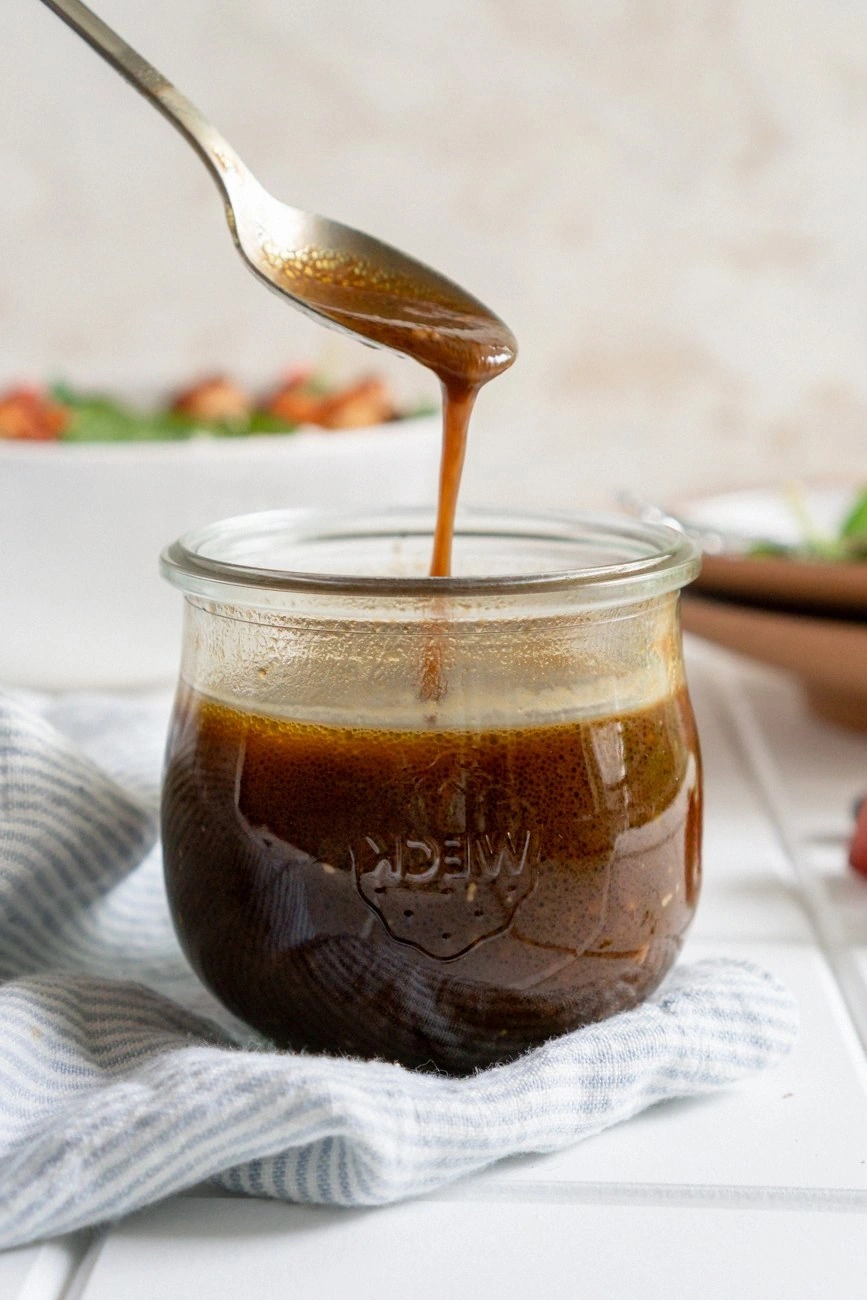
- Prepare the sauce. In a small bowl, combine the Thai sweet chili sauce, sambal oelek, Dijon mustard, soy sauce, minced garlic, and water. Whisk until the mixture is smooth and the garlic is evenly distributed. This will be the star of the dish, so take a moment to let the flavors mingle. If the sauce is too thick, add a teaspoon of water to reach the desired consistency. Once ready, set it aside.
- Season the salmon. Pat the fillets dry with paper towels. Sprinkle both sides with salt and freshly ground pepper. A quick pat ensures the seasoning sticks and the fillets sear beautifully. If you prefer a smoky finish, add a pinch of smoked paprika.
- Heat the skillet. Place a non‑stick skillet over medium‑high heat and add a splash of neutral oil (like grapeseed or canola). When the oil shimmers, slide the salmon fillets into the pan skin‑side down. The sizzle should be immediate—if it’s not, the pan isn’t hot enough.
- Sear the fillets. Let the salmon cook undisturbed for 2–3 minutes until the skin turns golden brown and releases easily from the pan. Flip the fillets gently and sear the other side for another 2 minutes. The goal is a crisp exterior and a tender interior.
- Add the sauce. Reduce the heat to medium and pour the pre‑made sauce over the fillets. Use a spoon to spread the glaze evenly. The sauce should bubble gently, coating the fish without boiling.
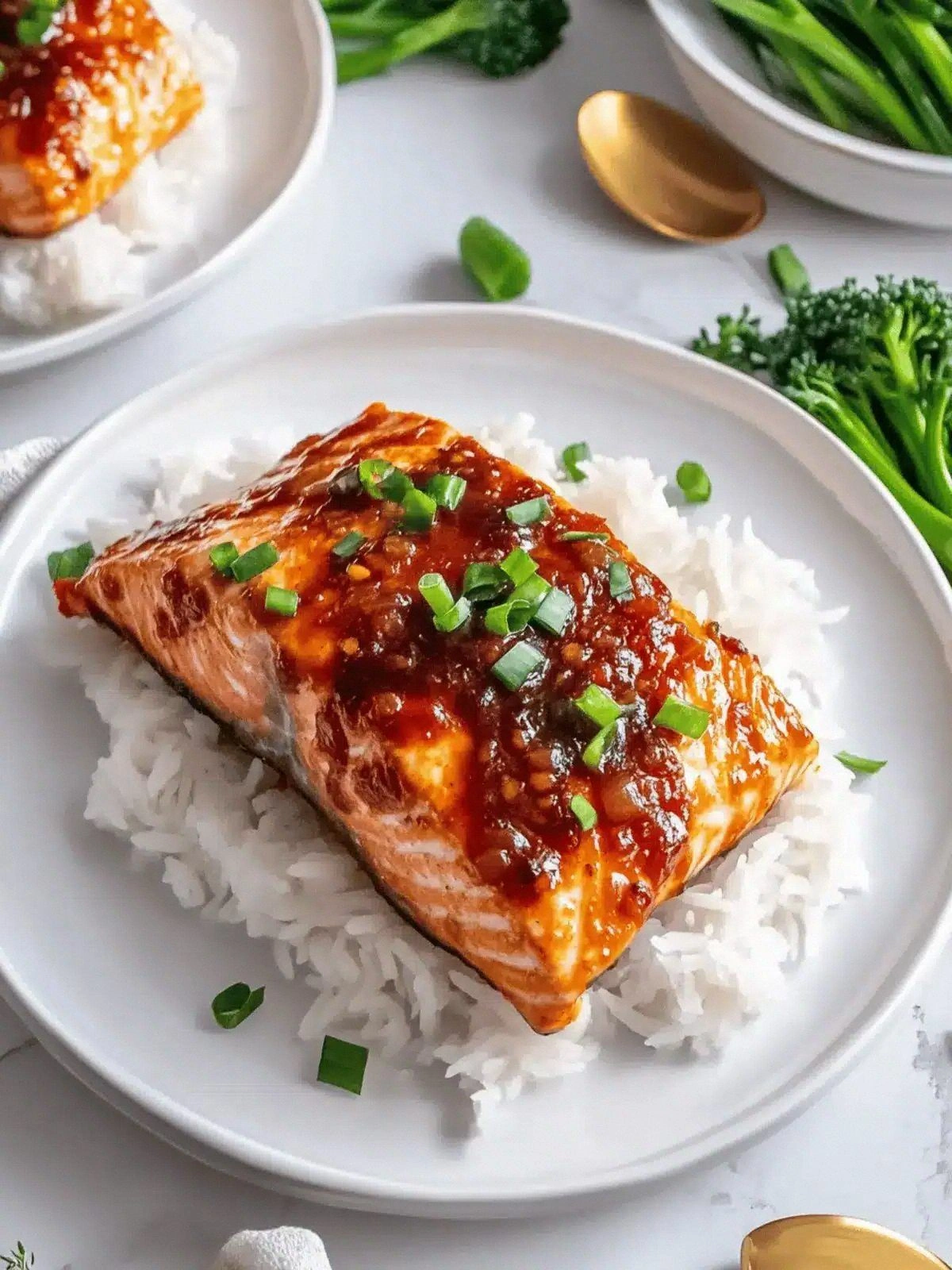
- Simmer. Allow the salmon to cook in the sauce for 3–4 minutes, turning once more to ensure even glazing. The sauce will thicken into a glossy sheen that clings to every crevice of the fillet. Watch for the edges to start pulling away slightly from the pan—this indicates caramelization.
- Finish with green onion. Sprinkle chopped green onion over the fillets, letting the fresh crunch contrast the silky sauce. If you like a bit of heat, add a dash of extra sambal at this point. The onion also adds a bright visual pop that makes the dish Instagram‑worthy.
- Plate and serve. Transfer the salmon to a plate, spoon any remaining sauce over the top, and serve immediately. Pair with jasmine rice, quinoa, or a crisp salad for a complete meal. The aroma alone will have guests lining up for seconds.
- Optional glaze. If you prefer a thicker glaze, simmer the sauce for an additional minute after removing the fish. This will reduce it further, making it more syrupy.
- Enjoy. Take a bite and let the sweet heat, savory umami, and tender texture mingle in perfect harmony. You’ll be the host of the night, and your guests will be asking for the recipe.
That's it — you did it. But hold on, I've got a few more tricks that'll take this to another level…
Insider Tricks for Flawless Results
The Temperature Rule Nobody Follows
Keep the heat steady. A medium‑high heat ensures a quick sear, but dropping to medium for the sauce prevents it from burning. Many cooks jump the gun and let the sauce scorch, ruining the balance. I’ve seen this happen in my own kitchen—don’t let the sauce turn into a dark caramel.
Why Your Nose Knows Best
Trust the aroma. When the sauce starts to bubble and the edges pull away, the scent will tell you it’s caramelizing. If you’re unsure, give it a quick sniff; it should smell sweet, smoky, and garlicky. This sensory cue is the most reliable indicator of readiness.
The 5-Minute Rest That Changes Everything
Let the salmon rest. After removing from heat, cover the fillets loosely with foil and let them rest for five minutes. This allows the juices to redistribute, resulting in a moist, flaky texture. I’ve tried skipping this step once, and the fish came out dry and crumbly.
Use a Skirt for Even Cooking
Flatten the fillets. Gently pound the salmon to an even thickness; this ensures uniform cooking and prevents the edges from overcooking while the center remains raw. A kitchen towel or plastic wrap works well for this.
Finish with a Splash of Citrus
Add brightness. A squeeze of fresh lime or lemon after plating cuts through the richness and brightens the dish. If you’re feeling adventurous, add a few drops of fish sauce for an extra umami kick.
Creative Twists and Variations
This recipe is a playground. Here are some of my favorite ways to switch things up:
Thai Coconut Twist
Swap water for coconut milk. The result is a creamy, tropical glaze that pairs beautifully with the sweet chili sauce. Serve over jasmine rice for an authentic feel.
Spicy Garlic Explosion
Increase sambal oelek to two tablespoons. The heat ramps up dramatically, turning the dish into a fiery delight. Pair with a cooling cucumber salad to balance the spice.
Herb‑Infused Delight
Add chopped cilantro and a pinch of mint. The fresh herbs bring a refreshing contrast to the sweet glaze. This version works well with a light quinoa pilaf.
Asian Noodle Bowl
Serve the salmon over ramen or soba noodles. Toss the noodles in a splash of soy sauce and sesame oil, then top with the glazed fillet and green onion. The result is a comforting, one‑pot meal.
Low‑Sodium Version
Use low‑sodium soy sauce and reduce the amount of salt. This keeps the dish light without sacrificing flavor. It’s perfect for those watching their sodium intake.
Smoky Broiler Finish
After glazing, slide the fillets under a pre‑heated broiler for 30 seconds. This gives a subtle char that adds depth. Keep a close eye—over‑broiling turns the sauce into a hard crust.
Storing and Bringing It Back to Life
Fridge Storage
Cool the salmon to room temperature before refrigerating. Store in an airtight container for up to two days. The glaze will cling to the fish, keeping it moist.
Freezer Friendly
Freeze the fillets individually wrapped in parchment. They can be stored for up to three months. Thaw overnight in the fridge before reheating.
Best Reheating Method
Reheat in a skillet over medium heat, adding a splash of water. The water steams the salmon back to tenderness and prevents the glaze from drying out. A quick 2‑minute heat is all you need.