
Salsa De Nopales
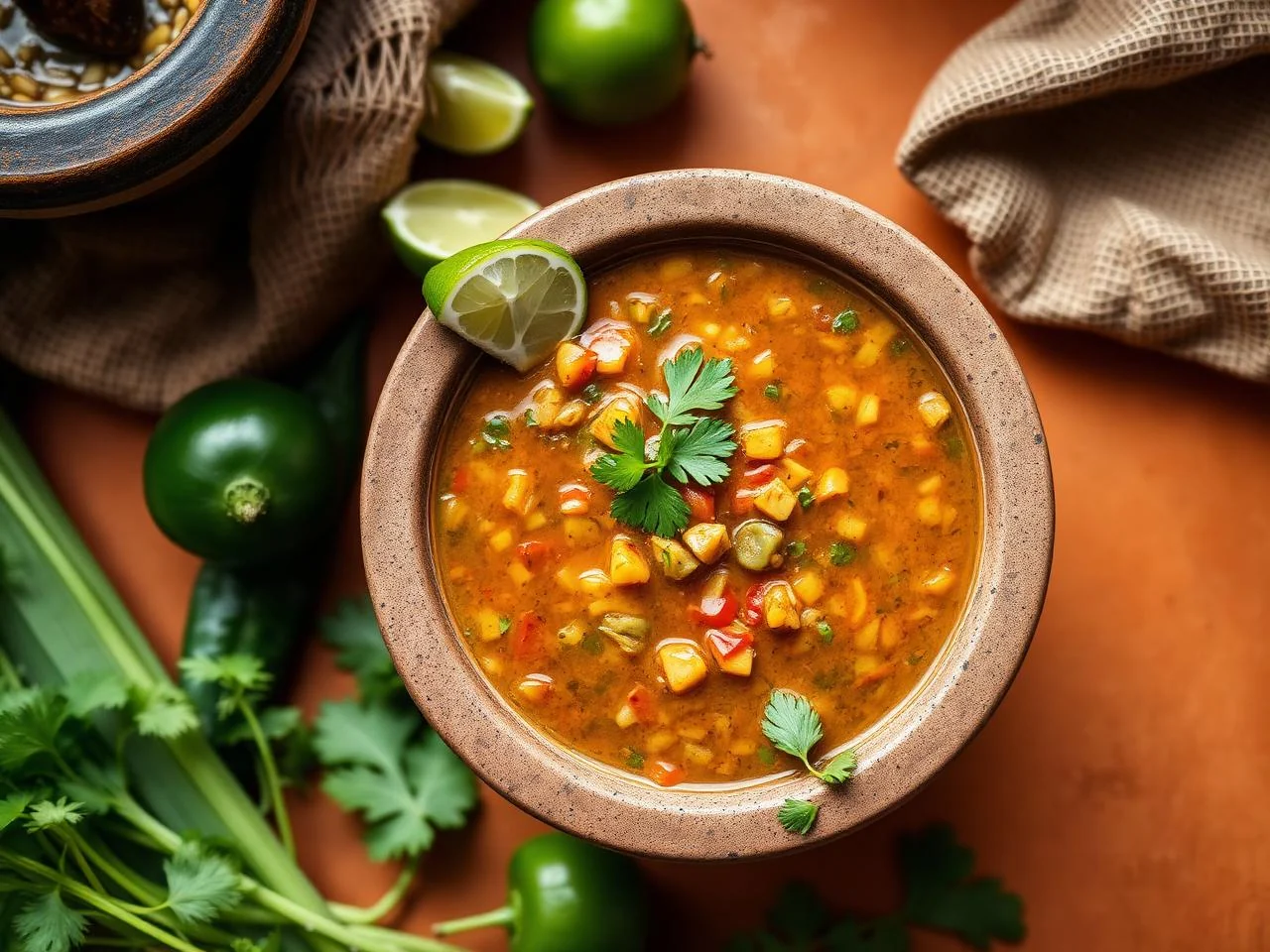
I still remember the first time I tasted Salsa De Nopales at my abuela's house in Guadalajara. The combination of roasted nopales, onions, and chiles was like nothing I had ever experienced before. As a child, I would watch my abuela carefully prepare this salsa, paying attention to every detail, from the selection of the freshest ingredients to the precise roasting time. Over the years, I have perfected her recipe, and now I am excited to share it with you.
This salsa is more than just a condiment; it's a reflection of the rich cultural heritage of Mexico. The process of making Salsa De Nopales is an art form that requires patience, love, and attention to detail. From the initial roasting of the ingredients to the final blending, every step is crucial in creating a truly authentic flavor.
As a home cook, I believe that the key to making great Salsa De Nopales is to use only the freshest and highest-quality ingredients. This means selecting the best nopales, onions, and chiles, and taking the time to roast them to perfection. The end result is a salsa that is not only delicious but also visually stunning, with a deep, rich color that adds a pop of flavor to any dish.
Whether you're a seasoned cook or just starting to explore the world of Mexican cuisine, this recipe is perfect for you. With its easy-to-follow instructions and authentic flavors, you'll be able to create a delicious Salsa De Nopales that will impress your family and friends.
In this recipe, I will guide you through the process of making Salsa De Nopales, from the initial preparation of the ingredients to the final blending. I will share with you the secrets of my abuela's recipe, including the importance of using the right type of chiles and the technique of roasting the nopales to perfection.
Why You’ll Love This Recipe
- This recipe is easy to make and requires minimal ingredients.
- The salsa is perfect for topping tacos, grilled meats, and vegetables.
- The recipe is authentic and traditional, making it a great way to experience the flavors of Mexico.
- The salsa is healthy and nutritious, making it a great addition to any meal.
- The recipe is versatile and can be used as a dip, a sauce, or a topping.
- The salsa is delicious and flavorful, with a deep, rich flavor that is characteristic of Mexican cuisine.
Why This Recipe Works
The key to making great Salsa De Nopales is to understand the science behind the recipe. The roasting process is crucial in developing the deep, rich flavor of the salsa. By roasting the nopales, onions, and chiles, we are able to bring out their natural sweetness and add a smoky flavor that is characteristic of Mexican cuisine.
The type of chiles used in this recipe is also important. The guajillo and ancho chiles add a deep, slightly sweet flavor that complements the nopales and onions perfectly. The acidity of the tomatoes and the freshness of the cilantro add a bright, refreshing flavor that balances out the richness of the salsa.
The technique of blending the ingredients is also crucial in creating a smooth, creamy texture. By blending the ingredients in a specific order, we are able to create a salsa that is both chunky and smooth, with a texture that is perfect for topping tacos or grilled meats.
Ingredients You’ll Need
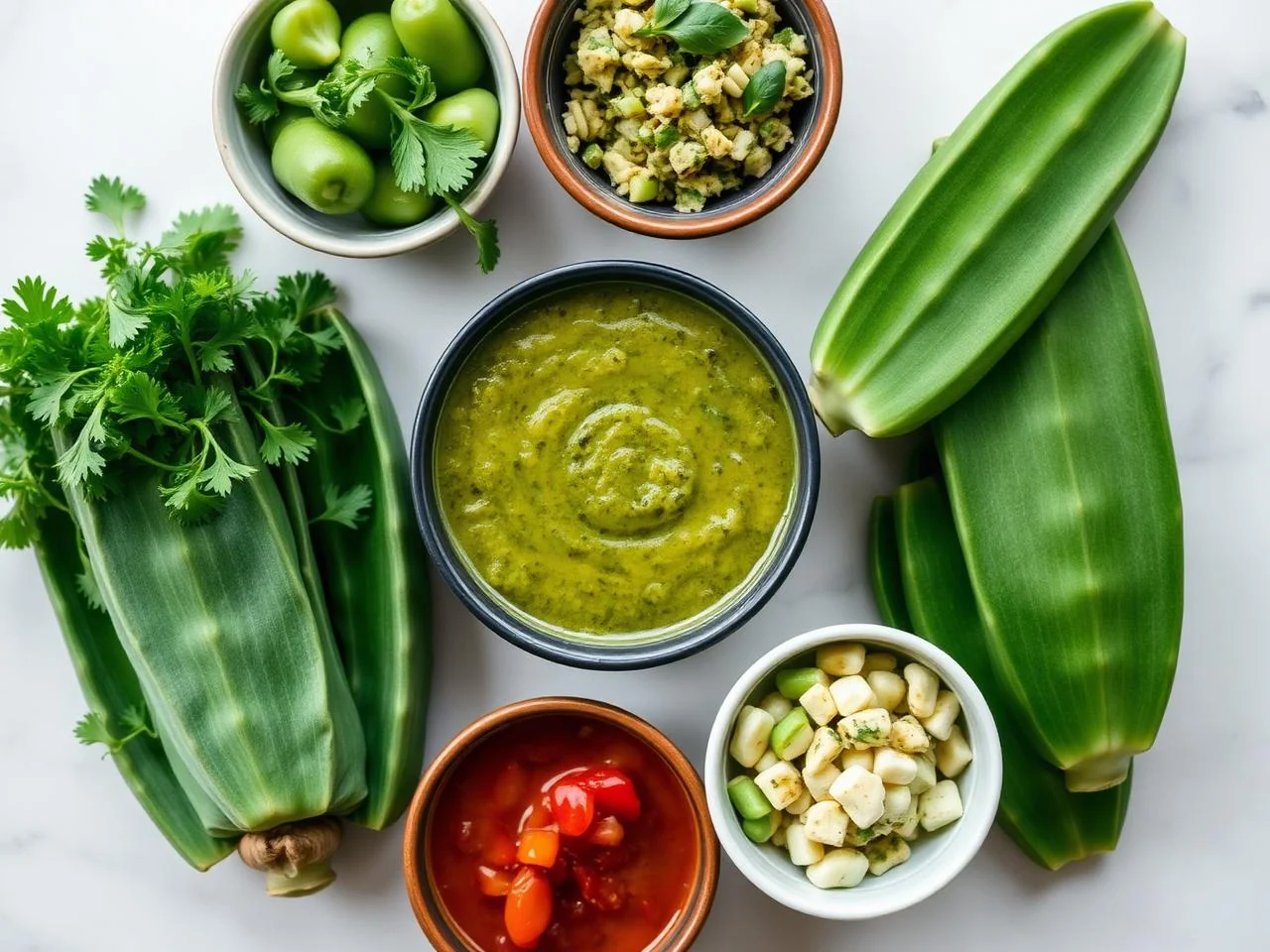
To make Salsa De Nopales, you will need a few simple ingredients, including nopales, onions, chiles, tomatoes, garlic, cilantro, and lime juice. The key to making great salsa is to use only the freshest and highest-quality ingredients. Look for nopales that are firm and have a deep green color, and select chiles that are dry and have a rich, earthy aroma.
When shopping for ingredients, be sure to visit your local Mexican market or grocery store. These stores typically carry a wide selection of fresh and dried chiles, as well as other ingredients that are essential to Mexican cuisine. If you are unable to find certain ingredients, you can also try substituting them with similar ingredients or omitting them altogether.
- 2 cups (400g) nopales, cleaned and choppedNopales are the pads of the prickly pear cactus and can be found in most Mexican markets or online. They have a mild, slightly sweet flavor and a firm, crunchy texture. When selecting nopales, look for pads that are firm and have a deep green color.
- 1 large (250g) onion, choppedOnions add a sweet, caramelized flavor to the salsa and can be roasted or sautéed to bring out their natural sweetness. When selecting onions, look for ones that are firm and have a sweet, mild aroma.
- 4 (20g) guajillo chiles, stemmed and seededGuajillo chiles have a deep, slightly sweet flavor and a rich, earthy aroma. They can be found in most Mexican markets or online and are essential to the flavor of the salsa. When selecting guajillo chiles, look for ones that are dry and have a rich, earthy aroma.
- 2 (10g) ancho chiles, stemmed and seededAncho chiles have a mild, slightly sweet flavor and a rich, earthy aroma. They can be found in most Mexican markets or online and add a deep, complex flavor to the salsa. When selecting ancho chiles, look for ones that are dry and have a rich, earthy aroma.
- 2 cups (400g) chopped fresh tomatoesFresh tomatoes add a bright, acidic flavor to the salsa and can be roasted or sautéed to bring out their natural sweetness. When selecting tomatoes, look for ones that are firm and have a sweet, mild aroma.
- 3 cloves (15g) garlic, mincedGarlic adds a pungent, savory flavor to the salsa and can be roasted or sautéed to bring out its natural sweetness. When selecting garlic, look for cloves that are firm and have a sweet, mild aroma.
- 1/4 cup (15g) chopped fresh cilantroCilantro adds a fresh, herbal flavor to the salsa and can be used as a garnish or mixed into the salsa. When selecting cilantro, look for leaves that are fresh and have a bright, citrusy aroma.
- 2 tablespoons (30g) lime juiceLime juice adds a bright, acidic flavor to the salsa and can be used to balance out the richness of the other ingredients. When selecting lime juice, look for juice that is fresh and has a bright, citrusy aroma.
- 1 teaspoon (5g) saltSalt adds a savory, umami flavor to the salsa and can be used to balance out the sweetness of the other ingredients. When selecting salt, look for salt that is fresh and has a mild, savory aroma.
- 1/4 teaspoon (1g) black pepperBlack pepper adds a pungent, savory flavor to the salsa and can be used to balance out the sweetness of the other ingredients. When selecting black pepper, look for pepper that is fresh and has a mild, savory aroma.
Equipment You’ll Need
How to Make Salsa De Nopales
- 1Preheat your comal or skillet over medium-high heat. Once hot, add the chopped nopales and cook for 5-7 minutes per side, or until they are slightly charred and tender. Remove the nopales from the heat and set them aside to cool.
- 2Add the chopped onion to the comal or skillet and cook for 5-7 minutes, or until it is slightly caramelized and tender. Remove the onion from the heat and set it aside to cool.
- 3Add the guajillo and ancho chiles to the comal or skillet and cook for 2-3 minutes per side, or until they are slightly charred and fragrant. Remove the chiles from the heat and set them aside to cool.
- 4Once the chiles have cooled, stem and seed them, and then place them in a blender or food processor with the cooked nopales, onion, tomatoes, garlic, cilantro, lime juice, salt, and black pepper.
- 5Blend the ingredients together until they are smooth and well combined. You may need to stop the blender and scrape down the sides a few times to make sure everything is well mixed.
- 6Heat the saucepan over medium heat and add the blended salsa. Bring the salsa to a simmer and cook for 10-15 minutes, or until it has thickened slightly and reduced by about half.
- 7Remove the salsa from the heat and let it cool to room temperature. Once cooled, you can store the salsa in an airtight container in the refrigerator for up to 1 week.
- 8To serve the salsa, simply spoon it over your favorite dishes, such as tacos, grilled meats, or vegetables. You can also use it as a dip for chips or as a sauce for grilled meats or vegetables.
- 9If you want a smoother salsa, you can strain it through a fine-mesh sieve or cheesecloth to remove any remaining texture. If you want a chunkier salsa, you can simply leave it as is.
- 10Experiment with different ingredients and flavor combinations to make the salsa your own. Some ideas include adding diced mango or pineapple for a sweet and spicy flavor, or adding cooked chicken or beans for added protein.
- 11Consider canning the salsa to make it last longer. Simply follow a safe canning procedure and store the canned salsa in a cool, dark place for up to 1 year.
Expert Tips
- Use only the freshest and highest-quality ingredients to make the best salsa.
- Experiment with different types of chiles to find the flavor you like best.
- Add a splash of vinegar or lemon juice to the salsa to balance out the flavors.
- Use the salsa as a topping for tacos, grilled meats, or vegetables.
- Store the salsa in an airtight container in the refrigerator for up to 1 week.
- Consider canning the salsa to make it last longer.
- Add the salsa to soups or stews for added flavor.
- Use the salsa as a dip for chips or as a sauce for grilled meats or vegetables.
Common Mistakes to Avoid
- Not using the freshest and highest-quality ingredients.
- Not cooking the nopales and onion long enough.
- Not blending the salsa enough to achieve a smooth texture.
- Not straining the salsa to remove any remaining texture.
- Not storing the salsa in an airtight container in the refrigerator.
- Not canning the salsa properly to make it last longer.
Variations and Substitutions
- Add diced mango or pineapple for a sweet and spicy flavor.
- Add cooked chicken or beans for added protein.
- Use different types of chiles to find the flavor you like best.
- Add a splash of vinegar or lemon juice to the salsa to balance out the flavors.
- Use the salsa as a topping for tacos, grilled meats, or vegetables.
- Store the salsa in an airtight container in the refrigerator for up to 1 week.
- Consider canning the salsa to make it last longer.
What to Serve With Salsa De Nopales
Salsa De Nopales is a versatile condiment that can be used in a variety of dishes. It's perfect for topping tacos, grilled meats, or vegetables, and can also be used as a dip for chips or as a sauce for grilled meats or vegetables. Try serving it with your favorite Mexican dishes, such as tacos al pastor or carne asada, or use it as a topping for grilled chicken or fish.
The salsa is also delicious as a dip for chips or vegetables, and can be served with a variety of snacks, such as tortilla chips, crudités, or pita bread. You can also use it as a sauce for grilled meats or vegetables, or as a topping for soups or stews.
Make-Ahead, Storage, Freezing and Reheating
To store Salsa De Nopales, simply place it in an airtight container in the refrigerator. The salsa will keep for up to 1 week in the refrigerator, and can be frozen for up to 3 months. To freeze the salsa, simply place it in a freezer-safe container or bag, and store it in the freezer.
To reheat the salsa, simply place it in a saucepan over low heat, or microwave it for a few seconds. You can also serve the salsa at room temperature, or chilled from the refrigerator.
Consider canning the salsa to make it last longer. Simply follow a safe canning procedure, and store the canned salsa in a cool, dark place for up to 1 year. Canned salsa makes a great gift, and can be used in a variety of dishes throughout the year.
Frequently Asked Questions
What are nopales?
Nopales are the pads of the prickly pear cactus and are a common ingredient in Mexican cuisine. They have a mild, slightly sweet flavor and a firm, crunchy texture.
What type of chiles should I use?
The type of chiles you use will depend on your personal preference for heat and flavor. Guajillo and ancho chiles are commonly used in Salsa De Nopales and have a mild, slightly sweet flavor.
Can I use canned tomatoes?
While canned tomatoes can be used in a pinch, fresh tomatoes will give the salsa a brighter, more vibrant flavor. If you do use canned tomatoes, look for ones that are labeled 'san marzano' or 'pomodoro' for the best flavor.
How long will the salsa keep?
The salsa will keep for up to 1 week in the refrigerator, and can be frozen for up to 3 months. Consider canning the salsa to make it last longer.
Can I make the salsa ahead of time?
Yes, the salsa can be made ahead of time and stored in the refrigerator for up to 1 week. Simply place it in an airtight container and refrigerate until ready to serve.
Can I use the salsa as a dip?
Yes, the salsa makes a great dip for chips or vegetables. Simply serve it chilled or at room temperature, and enjoy.
Can I use the salsa as a sauce?
Yes, the salsa can be used as a sauce for grilled meats or vegetables. Simply serve it warmed or at room temperature, and enjoy.
Is the salsa spicy?
The level of heat in the salsa will depend on the type of chiles you use. If you prefer a milder salsa, you can use fewer or milder chiles. If you prefer a spicier salsa, you can use more or hotter chiles.
Ingredients
- 2 cups (400g) nopales, cleaned and chopped
- 1 large (250g) onion, chopped
- 4 (20g) guajillo chiles, stemmed and seeded
- 2 (10g) ancho chiles, stemmed and seeded
- 2 cups (400g) chopped fresh tomatoes
- 3 cloves (15g) garlic, minced
- 1/4 cup (15g) chopped fresh cilantro
- 2 tablespoons (30g) lime juice
- 1 teaspoon (5g) salt
- 1/4 teaspoon (1g) black pepper
Instructions
- Preheat your comal or skillet over medium-high heat. Once hot, add the chopped nopales and cook for 5-7 minutes per side, or until they are slightly charred and tender. Remove the nopales from the heat and set them aside to cool.
- Add the chopped onion to the comal or skillet and cook for 5-7 minutes, or until it is slightly caramelized and tender. Remove the onion from the heat and set it aside to cool.
- Add the guajillo and ancho chiles to the comal or skillet and cook for 2-3 minutes per side, or until they are slightly charred and fragrant. Remove the chiles from the heat and set them aside to cool.
- Once the chiles have cooled, stem and seed them, and then place them in a blender or food processor with the cooked nopales, onion, tomatoes, garlic, cilantro, lime juice, salt, and black pepper.
- Blend the ingredients together until they are smooth and well combined. You may need to stop the blender and scrape down the sides a few times to make sure everything is well mixed.
- Heat the saucepan over medium heat and add the blended salsa. Bring the salsa to a simmer and cook for 10-15 minutes, or until it has thickened slightly and reduced by about half.
- Remove the salsa from the heat and let it cool to room temperature. Once cooled, you can store the salsa in an airtight container in the refrigerator for up to 1 week.
- To serve the salsa, simply spoon it over your favorite dishes, such as tacos, grilled meats, or vegetables. You can also use it as a dip for chips or as a sauce for grilled meats or vegetables.
- If you want a smoother salsa, you can strain it through a fine-mesh sieve or cheesecloth to remove any remaining texture. If you want a chunkier salsa, you can simply leave it as is.
- Experiment with different ingredients and flavor combinations to make the salsa your own. Some ideas include adding diced mango or pineapple for a sweet and spicy flavor, or adding cooked chicken or beans for added protein.
- Consider canning the salsa to make it last longer. Simply follow a safe canning procedure and store the canned salsa in a cool, dark place for up to 1 year.