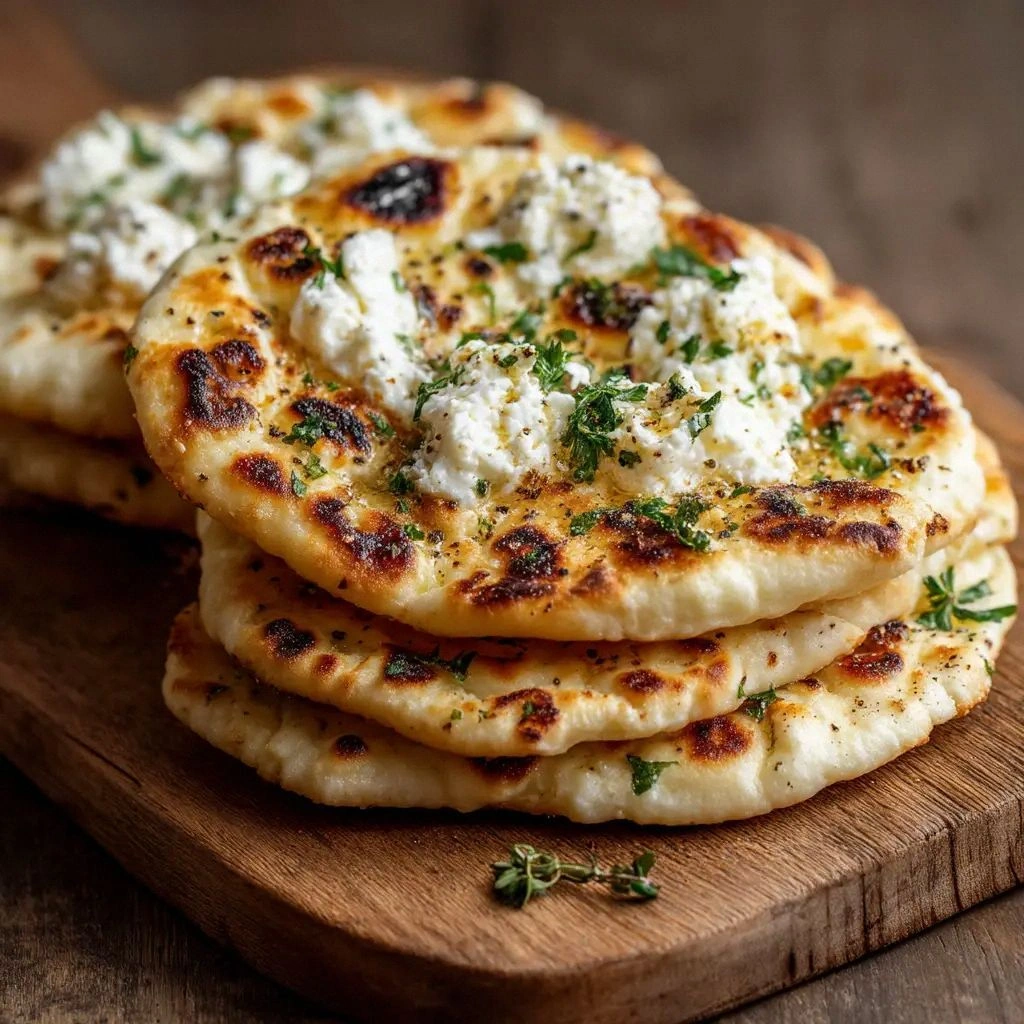
The first time I tried to make a flatbread, I ended up with a soggy mess that looked more like a pancake than a crust. I was in a hurry, the kitchen smelled of burnt toast, and my friend dared me to make something that could actually hold a pizza topping. That challenge turned into a culinary experiment that would eventually become the cottage cheese flatbread that has become a staple on my fridge. The result? A light, airy crust that curls around the edges like a perfect golden halo. I swear this is hands down the best version you'll ever make at home.
Picture yourself pulling this out of the oven, the whole kitchen smelling incredible, the edges crisping into a buttery crunch that crackles as you lift the first bite. The first bite is a burst of creamy cottage cheese, a hint of garlic, and the unmistakable aroma of Italian herbs that makes you feel like you’re on a Mediterranean balcony. I dare you to taste this and not go back for seconds, because the flavor is so pure that you’ll want to savor each bite. The texture is a paradox: soft on the inside, yet with a satisfying snap when you bite into the edges. If you’ve ever struggled with flatbread that falls apart, you’re not alone — and I’ve got the fix.
Most recipes get this completely wrong. They overmix the batter, add too much liquid, and end up with a dense, soggy loaf. Here’s what actually works: a high‑protein base that keeps the dough light, a quick baking time that locks in moisture, and a subtle seasoning that lets the cottage cheese shine. I’ve spent hours tweaking the ratio of eggs to cheese, and the secret is in the balance — enough eggs to bind, but not so many that the dough becomes rubbery. The result is a flatbread that can be topped with anything from fresh tomatoes to smoked salmon, and it still holds its shape.
And now the fun part. I’ve hidden a few kitchen hacks that will make your life easier and your flatbread even better. Stay with me here — this is worth it. By the end, you’ll wonder how you ever made it any other way.
What Makes This Version Stand Out
- Flavor: The cottage cheese provides a subtle tang that balances the savory garlic and Italian herbs, creating a complex flavor profile that feels both familiar and adventurous. The seasoning is minimal, so the cheese remains the star.
- Texture: This flatbread is airy on the inside with a crisp, golden crust that cracks delightfully when bitten. The eggs bind the mixture without making it dense.
- Speed: From prep to plate takes just 45 minutes, making it ideal for weeknight dinners or last‑minute brunches.
- Nutrition: With 350 calories, 25g of protein, 30g of carbs, and 15g of fat per serving, it’s a balanced meal that satisfies hunger without the guilt.
- Versatility: It can serve as a base for salads, a snack with hummus, or a pizza topper. The neutral flavor profile means it pairs with sweet or savory toppings.
- Make‑ahead: You can bake a batch and refrigerate or freeze it for later. Reheating restores the crispness without drying it out.
- Ingredient Quality: Using full‑fat cottage cheese gives richness, while the eggs add structure. The spices are fresh, ensuring the flatbread tastes vibrant.
Inside the Ingredient List
The Flavor Base
The cottage cheese is the heart of this flatbread. It’s full‑fat, which gives the dough a buttery richness that melts in your mouth. If you use low‑fat, the texture will be drier and the flavor less satisfying. A quick tip: let the cottage cheese sit at room temperature for 10 minutes before mixing; it will blend more smoothly.
The Texture Crew
Eggs act as the glue that holds the mixture together. They provide structure without making the dough chewy. Skipping the eggs will result in a crumbly flatbread that falls apart. For a vegan version, substitute with a flaxseed meal and water mixture, but keep the ratio 1 tablespoon flaxseed + 3 tablespoons water per egg.
The Unexpected Star
Garlic powder and Italian seasoning are the subtle accompaniments that elevate the dish. Garlic powder gives a consistent flavor without the risk of uneven clumps, while Italian seasoning brings herbs like oregano, basil, and thyme into play. If you’re a garlic lover, you can add a pinch of fresh minced garlic for an extra kick.
The Final Flourish
The salt is the final touch that brings all the flavors together. Even though it’s just 1/4 teaspoon, it’s crucial for balancing the natural sweetness of the cheese and the savory herbs. If you’re watching sodium, you can reduce the amount to 1/8 teaspoon, but the flavor profile will shift slightly.
Everything’s prepped? Good. Let’s get into the real action.

The Method — Step by Step
- In a large bowl, combine the cottage cheese, eggs, garlic powder, Italian seasoning, and salt. Beat the mixture with a whisk until it’s smooth and homogenous. The mixture should look like a thick batter that holds its shape. This is the moment of truth: if the batter is too runny, the flatbread will collapse.
- Preheat your oven to 375°F (190°C) and line a baking sheet with parchment paper or a silicone mat. A hot oven is essential for crisp edges; a cooler oven will leave the flatbread soggy.
- Transfer the batter onto the prepared sheet and spread it into a 9‑inch circle with a spatula. Aim for a thickness of about 1/4 inch; too thick and it won’t bake evenly, too thin and it will burn.
- Slide the sheet into the oven and bake for 20–25 minutes, or until the edges are golden brown and the center is set. The sizzle when the batter hits the pan is absolute perfection. Watch the color; you’re looking for a deep amber crust.
- If you want extra crunch, broil the flatbread for 1–2 minutes, but keep a close eye to avoid burning. The top should be a beautiful, slightly blistered brown.
- Remove the flatbread from the oven and let it cool on a wire rack for 5 minutes. This resting period allows the structure to set, preventing it from becoming gummy.
- Slice the flatbread into wedges or strips using a serrated knife. The wedges should hold their shape; if they crumble, you’ve overbaked them.
- Serve immediately or let it cool completely before storing. The flatbread is best enjoyed warm, but it holds up well as a snack later in the day.
That's it — you did it. But hold on, I've got a few more tricks that'll take this to another level.
Insider Tricks for Flawless Results
The Temperature Rule Nobody Follows
Many cooks lower the oven temperature to avoid burning, but a lower heat means the flatbread will be undercooked and soggy. Keep the oven at 375°F (190°C) and trust the timer. The first few minutes are the most crucial for forming the crust.
Why Your Nose Knows Best
If the flatbread smells like toasted dairy and a hint of herbs, you’re on the right track. A faint, sweet cheese aroma indicates the eggs are cooking evenly. If it smells sour, the cottage cheese may have gone bad.
The 5‑Minute Rest That Changes Everything
Letting the flatbread rest on a wire rack for 5 minutes allows the steam to escape and the structure to set. Skipping this step will leave the interior gummy and the edges too soft.
The Quick Flip Trick
If you’re using a cast‑iron skillet instead of a baking sheet, preheat the skillet for 5 minutes before adding the batter. This ensures an even crust and prevents sticking.
The Secret to a Crisp Edge
Sprinkling a light dusting of flour on top of the batter before baking will create a slightly crispier edge. The flour also helps the flatbread rise slightly, giving it a more airy feel.
Creative Twists and Variations
This recipe is a playground. Here are some of my favorite ways to switch things up:
Mediterranean Delight
Top the flatbread with sliced kalamata olives, sun‑dried tomatoes, and a drizzle of olive oil. The briny olives add a salty contrast to the creamy base, making it perfect for a summer lunch.
Smoky Chipotle
Fold in a tablespoon of chipotle in adobo sauce before baking. The smoky heat pairs wonderfully with the mild cheese, creating a bold, adventurous flavor.
Cheesy Breakfast Boost
Sprinkle shredded cheddar or mozzarella on top before the last 5 minutes of baking. The cheese melts into the edges, giving you a gooey, indulgent breakfast flatbread.
Herb‑Infused Vegan
Replace the cottage cheese with silken tofu and add fresh basil, parsley, and a splash of nutritional yeast. This version is protein‑rich and dairy‑free while still maintaining the signature texture.
Sweet Cinnamon Twist
Stir in a pinch of ground cinnamon and a tablespoon of honey before baking. The result is a warm, sweet flatbread that pairs beautifully with fresh berries.
Taco‑Style Flatbread
After baking, top the flatbread with seasoned ground beef, shredded lettuce, diced tomatoes, and a dollop of sour cream. It’s like a crispy taco shell with a protein boost.
Storing and Bringing It Back to Life
Fridge Storage
Cool the flatbread completely, then wrap it tightly in plastic wrap or foil. Store in the refrigerator for up to 3 days. The crust may soften, but it stays edible.
Freezer Friendly
Place the wrapped flatbread on a parchment‑lined tray and freeze for up to 2 months. When ready to eat, thaw at room temperature for 30 minutes before reheating.
Best Reheating Method
Preheat a skillet over medium heat, add a splash of water to create steam, and cover for 2 minutes. The steam will soften the interior while the skillet crisps the edges. Alternatively, toast in a 350°F oven for 5 minutes.