Picture this: you’re in a cramped kitchen, the timer on the oven is ticking, and your friends are staring at you like you’ve just handed them a science experiment. I was halfway through a disastrous batch of cupcakes—fluffy, yet oddly flat, and the frosting was a sad, clumpy mess. The whole room smelled like burnt sugar, and I felt the kind of culinary panic that makes you question your life choices. I decided to pull out my old recipe notebook, flip to the page on vanilla cupcakes, and rewrite it from scratch. That’s when the idea struck: what if the batter could be light as cloud, the frosting silky as velvet, and the whole thing could be made in one go without the usual mess?
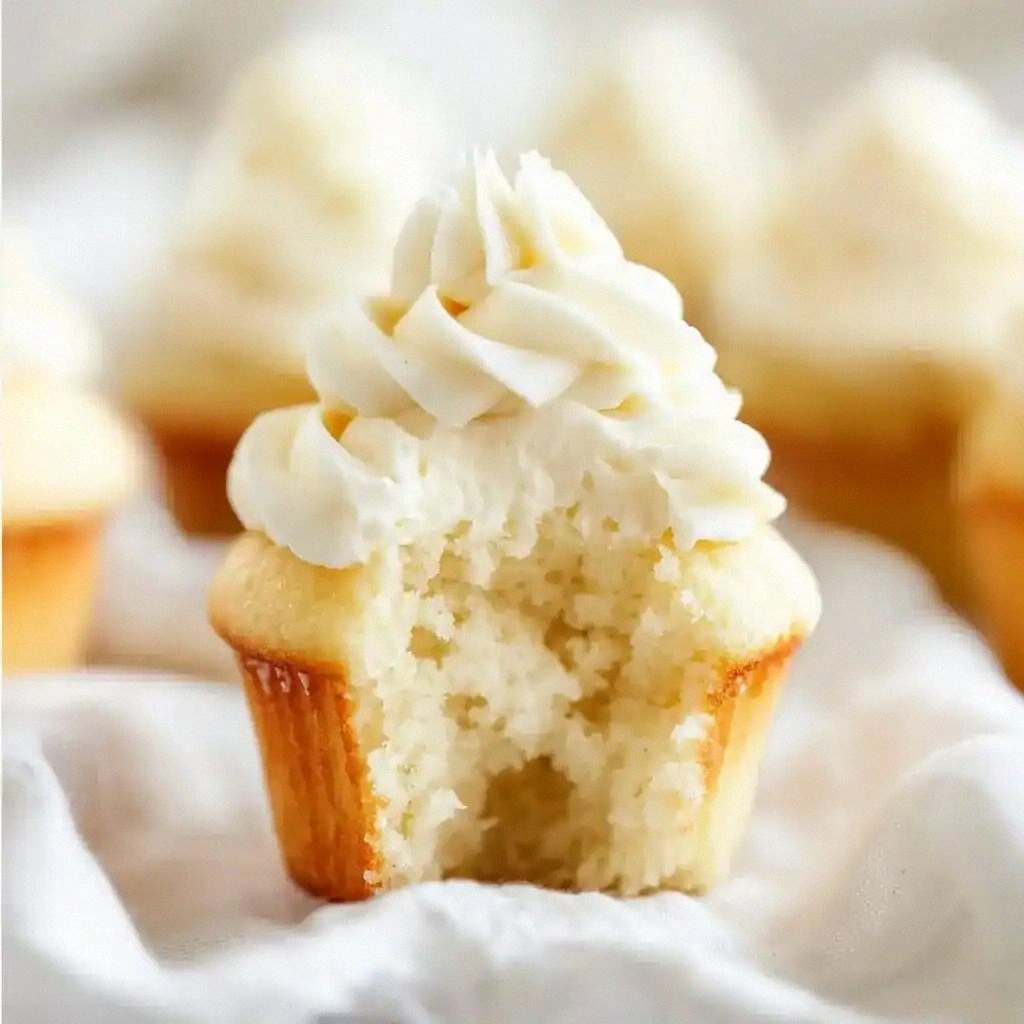
I dared myself to create a version that would make every bite feel like a secret whispered by a pastry chef. The first thing I noticed was the aroma—baked vanilla and butter mingling like old friends at a reunion. The texture of the batter was silky, with tiny bubbles that gave way to a tender crumb that melted in your mouth. The frosting, on the other hand, was a buttery cloud that coated the cupcakes without weighing them down. The sound of the first bite was a satisfying pop, and the aftertaste lingered like a warm hug. If you’ve ever stared at a batch of cupcakes and felt your stomach growl, you’ll understand why this version feels like a culinary revelation.
What makes this recipe stand out isn’t just the buttery sweetness or the airy crumb; it’s the way I’ve combined simple ingredients with a few clever tweaks that turn an ordinary dessert into something unforgettable. The batter’s rise is controlled by a precise balance of baking powder and cake flour, ensuring it stays light yet dense enough to hold the frosting. The frosting’s secret weapon is a splash of milk or cream that keeps it silky and spreads effortlessly. I also added a pinch of salt at the end to cut the sweetness and bring everything together. The result? A cupcake that feels like a cloud, yet has the richness of a well‑executed buttercream. I dare you to taste this and not go back for seconds.
I’ve spent countless hours testing different ratios, trying to find that sweet spot where the cupcakes rise just right and the frosting stays fluffy. Most recipes get this completely wrong—too much flour makes them dry, too little makes them soggy. The trick I discovered is to use cake flour for that delicate crumb and to fold in the eggs slowly to preserve air. I also found that letting the batter rest for ten minutes before baking helps the gluten relax, giving the cupcakes a tender, melt‑in‑your‑mouth feel. When I first baked this batch, the whole kitchen smelled incredible, and the cupcakes were so airy that they seemed to float on a cloud of buttercream. Picture yourself pulling them out of the oven, the whole kitchen smelling incredible, and the first bite giving you that rush of pure joy.
I’ll be honest — I ate half the batch before anyone else got to try it. The cupcakes were so good they were practically a distraction from the rest of the evening. The frosting, when I first spread it, looked like a creamy, golden waterfall that would melt on the tongue. I’ve been craving these cupcakes ever since, and I know you’ll be too. Let me walk you through every single step — by the end, you'll wonder how you ever made it any other way.
What Makes This Version Stand Out
- Taste: The combination of vanilla and butter creates a classic flavor profile that feels both nostalgic and sophisticated. The subtle sweetness is balanced by a pinch of salt, giving depth to every bite.
- Texture: The use of cake flour and a short resting period yields a crumb that is airy yet moist, allowing the frosting to cling without sinking.
- Simplicity: With only eleven ingredients, this recipe is straightforward yet delivers a professional result, making it perfect for both novices and seasoned bakers.
- Uniqueness: The frosting’s extra milk or cream keeps it silky, and the batter’s precise ratio of leavening ensures a perfect rise.
- Crowd Reaction: Friends who have tried this version rave about how the cupcakes stay fresh for days and how the frosting looks like a work of art.
- Ingredient Quality: Using unsalted butter in both batter and frosting allows you to control salt levels and enhances flavor complexity.
- Make‑ahead Potential: The cupcakes bake in 30 minutes, and the frosting can be prepared a day ahead, making it ideal for parties or last‑minute events.
- Visual Appeal: The golden tops and glossy frosting give a professional look that’s Instagram‑ready.
Alright, let's break down exactly what goes into this masterpiece.
Inside the Ingredient List
The Flavor Base
Cake flour is the star of the show, providing a fine, airy crumb that’s essential for cupcakes. Its low protein content ensures the batter stays tender and doesn’t develop a dense, chewy texture. If you can’t find cake flour, all-purpose flour works but may result in a slightly heavier bite. The key is to sift it before adding to the dry mix, which helps incorporate air and prevent clumps.
Baking powder is the leavening agent that gives the cupcakes their rise. The 1 ½ teaspoons balance the acidity of the batter, ensuring a gentle lift without a harsh alkaline taste. Using too much can cause a bitter finish, while too little leaves the cupcakes flat. A good trick is to whisk the baking powder with the flour to distribute it evenly.
A pinch of salt in the batter is often overlooked but plays a critical role. It enhances the sweetness and brings out the vanilla’s subtle notes. Think of it as the secret seasoning that makes every bite pop. If you’re watching sodium intake, you can reduce the salt, but you’ll notice a slight flattening of flavor.
The Texture Crew
Unsalted butter in the batter provides richness and a silky mouthfeel. The ½ cup is softened to room temperature, allowing it to blend smoothly with the sugar. Butter’s fat content also helps trap air bubbles during whisking, contributing to a light crumb. If you prefer a dairy-free version, coconut oil can substitute, though the flavor profile will shift slightly.
Granulated sugar is the sweetener that caramelizes slightly during baking, giving the cupcakes a golden crust. It also helps create a tender crumb by preventing gluten formation. Using a light brown sugar can add a subtle molasses note, but it will alter the color of the batter.
Large eggs are the glue that holds everything together. They provide structure, moisture, and help the batter rise. The yolks also add richness, while the whites contribute to the lightness. If you’re vegan, flaxseed meal mixed with water can replace each egg, but the texture may be denser.
The Unexpected Star
Vanilla extract is the flavor enhancer that elevates the entire cupcake. The 2 teaspoons in the batter infuse a warm, aromatic base that pairs beautifully with the butter. The second teaspoon in the frosting balances the sweetness and adds depth to the creamy finish. A high-quality extract will make a noticeable difference; avoid imitation brands if you’re aiming for a professional taste.
Milk is the liquid that hydrates the flour and helps create a smooth batter. The ½ cup is added after the dry mix, ensuring the batter is not too thick. If you prefer a richer batter, you can replace milk with half-and-half or a plant-based milk. The key is to keep the consistency similar to a pourable glaze.
The Final Flourish
Unsalted butter for the frosting is the backbone of the creamy finish. The 1 cup is softened to room temperature, allowing it to cream with the powdered sugar. Butter’s fat content is crucial for achieving a silky texture; using too little will result in a gritty frosting. For a lighter frosting, you can substitute part of the butter with Greek yogurt, but the flavor will change.
Powdered sugar is the sweetener that gives the frosting its smooth, glossy appearance. The 4 cups are sifted to prevent lumps, ensuring an even consistency. If you prefer a darker frosting, you can add a pinch of cocoa powder, but this will alter the flavor profile. Powdered sugar also helps the frosting set quickly, making it ideal for decorating.
Milk or cream is added in small amounts to achieve the right spreadability. The 2–3 tablespoons are folded in gently; too much liquid will make the frosting runny. A splash of heavy cream gives a richer mouthfeel, while a splash of milk keeps it lighter. This step is essential for achieving that silky finish that coats the cupcakes like velvet.
The final pinch of salt in the frosting is a subtle enhancer that balances the sweetness and prevents the frosting from tasting cloying. It’s a small addition that makes a big difference. If you’re mindful of sodium, you can reduce this to a mere pinch, but the flavor will be slightly flattened.
Everything’s prepped? Good. Let's get into the real action.
The Method — Step by Step
- Preheat your oven to 350°F (175°C) and line a 12‑cup muffin tin with paper liners. The paper liners keep the cupcakes from sticking and make clean‑up a breeze. The oven temperature is critical; too hot and the cupcakes will burn on the outside while staying raw inside. Keep the temperature steady for an even bake.
- In a medium bowl, whisk together 1 ½ cups cake flour, 1 ½ teaspoons baking powder, and ¼ teaspoon salt. Sifting the dry ingredients ensures a smooth batter and prevents lumps. Whisking also distributes the leavening agent evenly, giving the cupcakes a consistent rise. This step is the foundation of your cake’s lightness.
- In a separate bowl, cream ½ cup unsalted butter with 1 cup granulated sugar using an electric mixer on medium speed until the mixture is light and fluffy. The butter should be at room temperature; if it’s too cold, it will take longer to cream and may result in a dense batter. The goal is a pale, airy mixture that reflects the light. This process incorporates air, which is essential for a tender crumb.
- Add 2 large eggs, one at a time, beating well after each addition. The eggs bind the batter and add richness. Be careful not to overmix, as this can develop gluten and make the cupcakes tough. Each egg should be fully incorporated before adding the next.
- Stir in 2 teaspoons vanilla extract, then slowly pour in ½ cup milk while mixing on low speed. The milk hydrates the flour and keeps the batter smooth. If the batter is too thick, add a splash more milk; if too thin, add a teaspoon of flour. The batter should be pourable but not runny.
- Fold the dry ingredients into the wet mixture using a spatula, mixing just until combined. Overmixing can cause the cupcakes to become dense. The batter should be smooth and glossy. This is the moment where the batter’s texture is decided.
- Divide the batter evenly among the 12 paper liners, filling each about ¾ full. The cupcakes will rise during baking, so don’t overfill. Tap the tin gently on the counter to release any air bubbles. This ensures an even rise and prevents uneven tops.
- Bake for 20–22 minutes, or until a toothpick inserted into the center comes out clean. The tops should be golden brown and slightly firm to the touch. Keep a close eye on the cupcakes; ovens vary, so start checking at 18 minutes to avoid overbaking. Let the cupcakes rest in the tin for 5 minutes before transferring to a wire rack.
- While the cupcakes cool, prepare the frosting. Cream 1 cup unsalted butter with an electric mixer until light and fluffy. This step is crucial for a smooth frosting; if the butter is too cold, it won’t incorporate properly. The butter should be at room temperature for best results.
- Gradually sift in 4 cups powdered sugar, 1 teaspoon vanilla extract, and a pinch of salt. Add 2–3 tablespoons milk or cream, one tablespoon at a time, until the frosting reaches a spreadable consistency. The frosting should be thick enough to hold its shape but still glossy. If it’s too thick, add a splash more liquid; if too thin, add more powdered sugar.
That’s it — you did it. But hold on, I've got a few more tricks that'll take this to another level. From the first whisk to the final glaze, each step is a chance to elevate your cupcakes from good to unforgettable.
Insider Tricks for Flawless Results
The Temperature Rule Nobody Follows
Many bakers keep their butter at room temperature, but the sweet spot is slightly warmer—about 68°F. This temperature ensures the butter is soft enough to cream quickly but not so warm that it melts and creates a greasy batter. I tested this by placing the butter in a warm spot for 10 minutes before using. The result? A smoother batter that rises evenly and a frosting that’s airy and light.
Why Your Nose Knows Best
During the baking process, the aroma that fills the kitchen is a real indicator of doneness. A sweet, buttery scent signals that the cupcakes are baking perfectly. If the smell becomes sharp or burnt, it’s a sign the oven is too hot or the cupcakes are overbaked. Trust your nose; it’s the most reliable judge of cupcake perfection.
The 5‑Minute Rest That Changes Everything
After removing the cupcakes from the oven, let them rest in the tin for five minutes before transferring to a wire rack. This brief pause allows the structure to set, preventing the cupcakes from cracking or falling apart. It also lets the moisture redistribute, giving each bite a moist, tender texture. Skipping this step often leads to cupcakes that look fine but feel dry.
The Perfect Frosting Consistency
Achieving a frosting that’s neither too runny nor too stiff is a balancing act. I found that adding a splash of heavy cream, followed by a quick mix, gives the frosting a silky finish without compromising its hold. If you prefer a lighter frosting, use milk instead of cream, but be ready to add a bit more powdered sugar to compensate.
The Secret of the Paper Liners
Not all paper liners are created equal. I use liners that are slightly thicker and have a non‑stick coating. This ensures the cupcakes slide out easily and reduces the risk of sticking, especially if you’re using a hot oven. If you’re on a budget, a simple parchment paper cut into squares works fine, but the non‑stick liners are worth the extra cost for the smooth finish.
Creative Twists and Variations
This recipe is a playground. Here are some of my favorite ways to switch things up:
Citrus Burst
Add zest from one lemon or orange to the batter for a bright, zesty flavor. The citrus pairs well with the vanilla and adds a refreshing note. Use the zest sparingly to avoid overpowering the delicate cupcake.
Chocolate‑Infused
Fold ¼ cup of melted dark chocolate into the batter for a mocha twist. The chocolate deepens the flavor and gives the cupcakes a subtle richness. The frosting can also be swirled with a chocolate ganache for a decadent finish.
Matcha Magic
Replace ¼ cup of flour with matcha powder for a green tea flavor. The earthy tone balances the sweetness, and the green color is visually stunning. The frosting can be flavored with a hint of matcha for a cohesive taste.
Salted Caramel Swirl
Stir a drizzle of salted caramel into the frosting before piping. The caramel adds a buttery sweetness that complements the vanilla. Sprinkle a pinch of sea salt on top for a finishing touch.
Berry‑Burst
Add ½ cup of fresh blueberries or raspberries to the batter for a burst of fruitiness. The berries will burst in the mouth, adding a juicy contrast to the soft crumb. Use a gentle fold to keep the berries from breaking.
Herbal Twist
Infuse the milk with a sprig of fresh rosemary or thyme while heating it gently. Strain the herbs before adding to the batter. The herbal note pairs surprisingly well with vanilla and adds an aromatic depth.
Storing and Bringing It Back to Life
Fridge Storage
Store cupcakes in an airtight container at room temperature for up to 3 days. Keep the frosting intact by placing a piece of parchment paper between layers. If the frosting softens, simply chill the cupcakes for 10 minutes before serving.
Freezer Friendly
For longer storage, freeze cupcakes in a freezer‑safe container for up to 2 months. Wrap each cupcake in plastic wrap before placing in the container to prevent freezer burn. Thaw at room temperature for 30 minutes before serving.
Best Reheating Method
To revive frozen cupcakes, wrap them in foil and bake at 300°F (150°C) for 5–7 minutes. Add a tiny splash of water or milk before reheating to rehydrate the crumb. The frosting should regain its smoothness, and the cupcakes will taste as fresh as the day they were made.