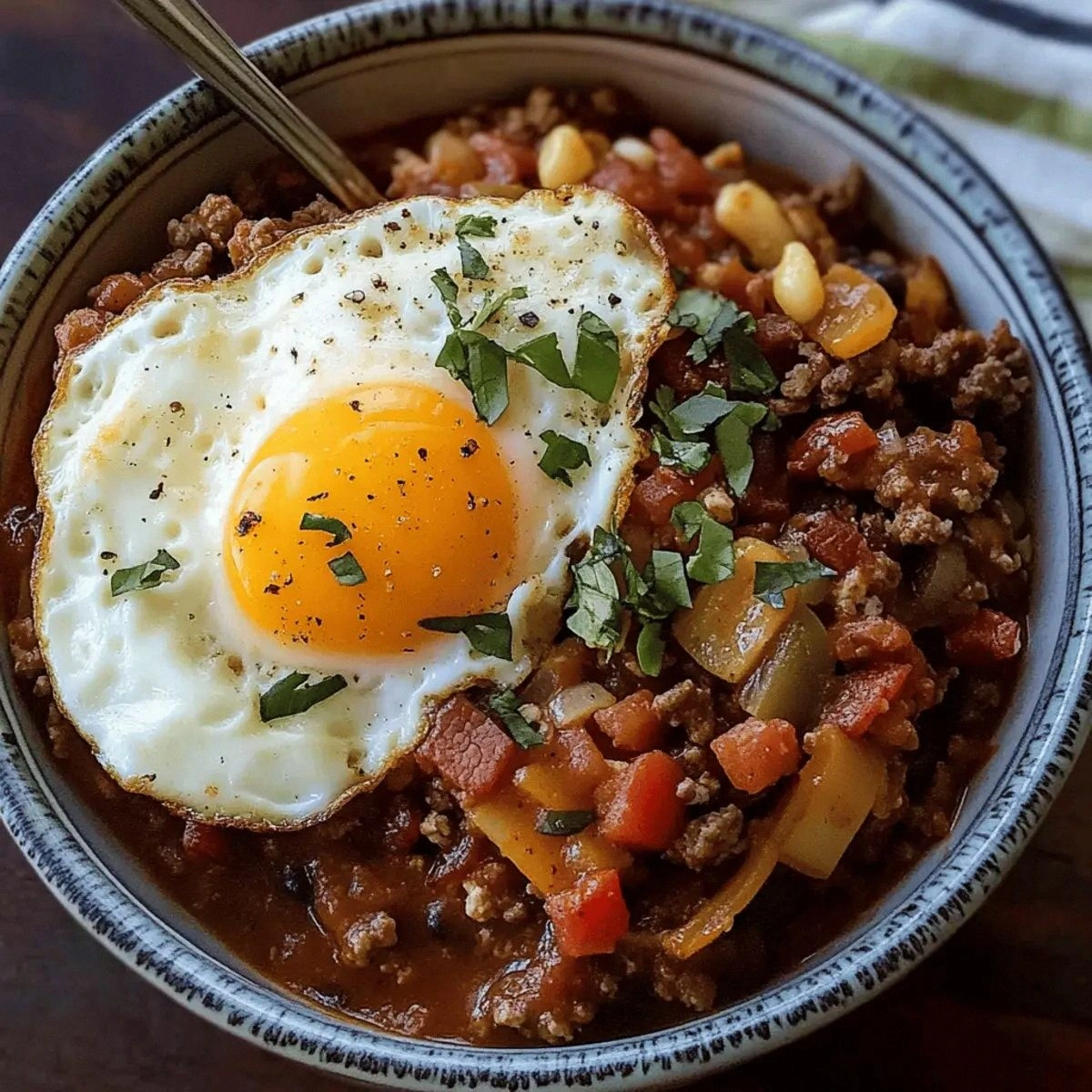
Last week, I found myself staring at a chaotic vegetable tray that had been left in the fridge for days. The carrots were a deep orange, the asparagus was a stubborn green, and the cherry tomatoes looked like they had just been plucked from a garden. I had promised myself a simple, wholesome brunch, but the kitchen felt like a battlefield. I was about to give up on the idea of a casserole when a friend sent me a photo of a steaming spring vegetable egg casserole that looked like it had been pulled straight from a dream.
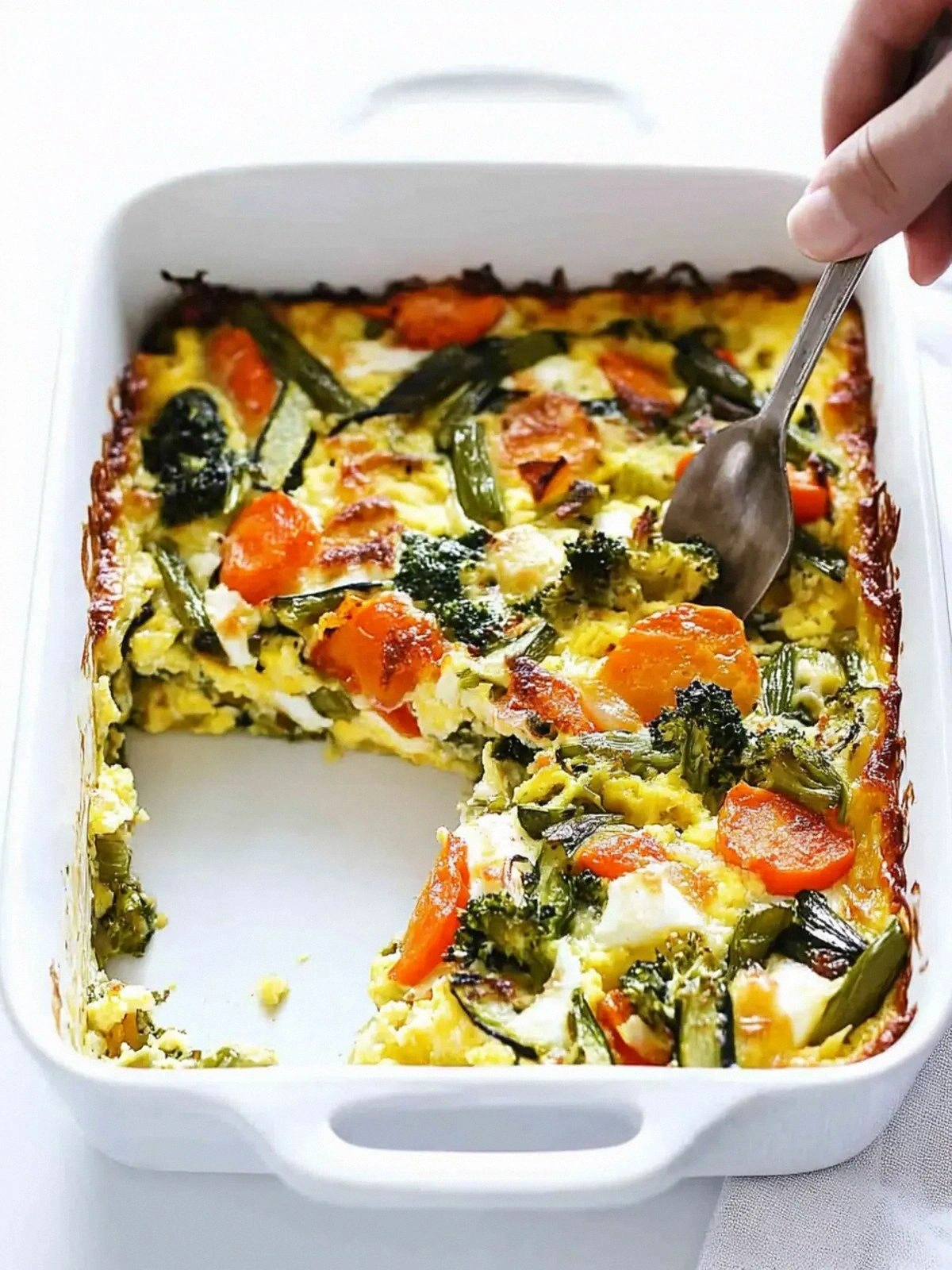
I was instantly hooked. The photo showed a golden, bubbling surface that glistened like a sunrise, flecked with bright green asparagus spears and ruby red tomatoes. The aroma that seemed to radiate from the image was a promise of fresh herbs, sautéed onions, and a subtle, creamy egg custard. I could almost hear the gentle sizzle of onions caramelizing in olive oil, the crunch of snap peas, and the soft, comforting sigh of eggs as they set. That sizzle when it hits the pan? Absolute perfection.
I dove into the recipe, and what I discovered was a recipe that turns ordinary vegetables into a star attraction. The combination of textures—crisp asparagus, tender broccoli, and juicy tomatoes—creates a dance of flavors that is both familiar and entirely new. The feta adds a tangy, salty depth that elevates the dish to a level of comfort that feels like a hug. It’s the kind of casserole that feels like a celebration, not just a meal. I dare you to taste this and not go back for seconds.
Picture yourself pulling this out of the oven, the whole kitchen smelling incredible, and the first bite delivering a burst of fresh, vibrant flavor. This is hands down the best version you'll ever make at home, and I can't wait to walk you through every single step. By the end, you'll wonder how you ever made it any other way. Let's dive into the details that make this spring vegetable egg casserole stand out from every other recipe out there.
What Makes This Version Stand Out
- Flavor Depth: The combination of caramelized onions, garlic, and feta creates a savory base that grounds the bright vegetables. The gentle sweetness of carrots balances the earthiness of mushrooms, while the snap peas add a crisp, refreshing bite.
- Texture Contrast: Each vegetable brings a distinct mouthfeel—from the tender broccoli florets to the firm asparagus and the juicy cherry tomatoes. The eggs provide a silky custard that coats every bite, creating a satisfying harmony.
- Color Palette: The dish looks as good as it tastes. The vibrant greens, bright reds, and golden yolks form a visual feast that makes the meal feel like a work of art.
- Ingredient Quality: Using fresh, seasonal produce ensures that each bite delivers maximum flavor. The feta is crumbled to release its tang, and the eggs are whisked to a light, airy consistency.
- Time Efficiency: The preparation steps are streamlined, allowing you to assemble the casserole in under 20 minutes while the oven does the heavy lifting. The result is a hearty brunch that fits into a busy schedule.
- Make‑Ahead Potential: Once assembled, the casserole can be refrigerated for up to 24 hours, making it a convenient option for busy mornings. The flavors actually deepen when the casserole sits, giving you a ready-to-serve dish the next day.
- Versatility: Swap out any vegetable or cheese to suit dietary preferences or seasonal availability. The base of eggs and milk is forgiving, so you can experiment with herbs, spices, or different dairy alternatives.
Inside the Ingredient List
The Flavor Base
The foundation of this casserole starts with a simple sauté of onions and garlic. The onion, diced finely, releases a sweet aroma that permeates the dish, while the garlic adds a subtle punch that lingers throughout. Skipping this step would leave the casserole feeling flat and lacking depth. If you prefer a milder flavor, reduce the garlic to one clove, but keep the onion for its caramelizing potential.
Olive oil is the medium that carries the flavors. It’s not just a cooking fat; it’s a flavor enhancer that brings a silky texture to the sautéed vegetables. A tablespoon of extra‑virgin olive oil will give the dish a richer, more fragrant profile, while a lighter oil will keep the focus on the vegetables. The oil also helps the feta crumble evenly, allowing its tang to spread across the casserole.
The Texture Crew
Broccoli florets, asparagus, and snap peas form the heart of the vegetable medley. Broccoli, when lightly blanched, retains its bright green color and a slight crunch that contrasts with the softer asparagus spears. Snap peas add a sweet, crisp snap that keeps the dish from feeling too heavy. If you’re short on time, you can use frozen broccoli and snap peas; just thaw them in a colander and pat dry to avoid excess moisture.
Mushrooms bring an earthy umami that balances the bright, fresh flavors of the greens. Slicing them evenly ensures they cook at the same rate, preventing a situation where some are underdone while others are overcooked. If you’re vegan, you can replace the mushrooms with diced zucchini or eggplant for a similar texture.
The Unexpected Star
Cherry tomatoes are the secret weapon that injects bursts of juice and acidity into the casserole. They break apart slightly during baking, releasing their juices to mingle with the eggs and milk. If you’re in a region where cherry tomatoes are out of season, try using sun‑dried tomatoes, but be mindful that they’re saltier and need less cooking time.
Feta cheese offers a creamy, salty counterpoint to the vegetables. Crumbled, it melts just enough to coat the edges of the casserole without making it too heavy. For a low‑fat version, substitute part of the feta with a light ricotta or a plant‑based cheese that has a similar tang.
The Final Flourish
Eggs are the binding agent that transforms the casserole into a cohesive, comforting dish. Whisk them with milk to create a silky custard that coats every vegetable. The ratio of eggs to milk is critical; too much milk will make the casserole runny, while too little will make it dry. A 1/2 cup of milk for 12 eggs strikes a perfect balance.
Seasoning with salt and pepper is essential but subtle. The salt enhances the natural flavors of the vegetables, while the pepper adds a gentle heat that lingers on the palate. Taste the mixture before baking; you can always add more pepper, but you can’t take it away.
Everything’s prepped? Good. Let’s get into the real action.
The Method — Step by Step
- Preheat your oven to 375°F (190°C). This moderate temperature ensures the eggs set evenly without scorching the top. While the oven heats, gather all your ingredients and have them ready on the counter. If you’re in a rush, keep the vegetables in a bowl to save time.
- Heat 2 tablespoons of olive oil in a large skillet over medium heat. Add the diced onion and sauté until translucent and slightly caramelized, about 5 minutes. The onions should be soft, not browned, to keep the dish light. A good rule of thumb: when the onions emit a sweet aroma, they’re ready.
- Add the minced garlic to the skillet and cook for 30 seconds, just until fragrant. Garlic is volatile; too long, and it becomes bitter. Stir constantly to prevent sticking. This quick burst of garlic will infuse the oil, creating a fragrant base for the casserole.
- Add the sliced carrot, asparagus, sugar snap peas, broccoli florets, and mushrooms to the skillet. Stir to coat everything in the oil. Cook for 5 to 7 minutes, until the vegetables are just tender but still bright in color. Avoid overcooking; you want the vegetables to retain their bite.
- Transfer the sautéed vegetables into a 9x13 inch baking dish. Spread them evenly, creating a uniform bed for the eggs. If you notice excess liquid, you can blot the vegetables with a paper towel before placing them in the dish.
- In a separate bowl, whisk together 12 large eggs and 1/2 cup of milk until the mixture is smooth and slightly frothy. Add a pinch of salt and freshly ground pepper to taste. Pour this custard over the vegetables, ensuring even coverage.
- Scatter the crumbled feta cheese over the top. The feta will melt slightly during baking, creating pockets of creamy tang. If you like a stronger feta flavor, sprinkle a little extra on top before baking.
- Place the baking dish in the preheated oven and bake for 30 to 35 minutes, or until the eggs are set and the top is lightly golden. The edges should pull away from the dish, indicating a firm custard. The internal temperature should read 160°F (71°C) for safe consumption.
- Remove the casserole from the oven and let it rest for 5 minutes. This allows the custard to set fully and makes slicing easier. Serve immediately, optionally garnished with fresh herbs like parsley or basil for a burst of color.
That’s it — you did it. But hold on, I've got a few more tricks that'll take this to another level. Keep reading for insider tips and creative variations.
Insider Tricks for Flawless Results
The Temperature Rule Nobody Follows
Many home cooks bake their casseroles at a high temperature, causing the top to brown too quickly while the inside remains undercooked. The secret is to bake at a moderate 375°F (190°C) and finish with a quick burst of broil for the last 2 minutes if you desire a golden crust. This technique ensures the custard sets evenly without overcooking the vegetables.
Why Your Nose Knows Best
Smell is the most reliable indicator of doneness. As the casserole bakes, a sweet, buttery aroma will fill the kitchen, signaling that the eggs are set. If the smell is sour or overly sharp, it may indicate the eggs have overcooked or the cheese is burning. Trust your nose, and you’ll avoid overcooking.
The 5-Minute Rest That Changes Everything
Letting the casserole rest for 5 minutes after baking is not a waste of time; it’s a critical step. During this pause, the custard continues to set, making the casserole easier to slice and reducing the risk of it falling apart. I once tried cutting it immediately and ended up with a mushy mess. The rest period is a game-changer.
Avoiding a Greasy Bottom
If you notice a greasy film on the bottom of the dish, it’s usually because too much oil was used during sautéing. To keep the casserole lean, use a non-stick skillet and a light drizzle of oil. Skimming off excess oil after sautéing can also help keep the dish from becoming oily.
Balancing the Feta
Feta can be quite salty, so taste the mixture before adding it to the casserole. If you’re sensitive to salt, you might want to use a lower-sodium feta or reduce the amount slightly. Alternatively, you can rinse the feta before crumbling to remove some of the brine.
Quick Pickle Boost
If you love a tangy kick, add a splash of quick pickled vinegar to the custard before pouring it over the vegetables. The acidity brightens the dish and balances the richness of the eggs and feta. A tablespoon of white wine vinegar works beautifully for a subtle zing.
Creative Twists and Variations
This recipe is a playground. Here are some of my favorite ways to switch things up:
Mediterranean Medley
Swap the broccoli for artichoke hearts, add Kalamata olives, and top with a drizzle of olive oil and oregano. The olives bring briny depth, while the artichokes add a chewy texture. Serve with crusty bread to soak up the sauce.
Sunrise Breakfast Bowl
Replace the feta with shredded cheddar or Swiss for a milder, melty cheese. Add diced ham or turkey bacon for protein. Finish with a sprinkle of fresh chives and a drizzle of honey for a sweet contrast.
Vegan Version
Use a plant-based egg substitute, such as Just Egg, and replace the feta with a cashew‑based cheese or nutritional yeast. Keep the milk as a dairy alternative or skip it entirely if you’re strict. The result is a creamy, protein‑rich dish that’s entirely plant‑based.
Winter Warmth
Incorporate roasted butternut squash cubes and replace the asparagus with green beans. Add a pinch of nutmeg and a splash of maple syrup to the custard for a seasonal touch. This version feels like a hearty stew with a custard topping.
Cheesy Layered Surprise
Layer the vegetables in the baking dish, then sprinkle a thin coat of shredded mozzarella between each layer. The cheese melts into gooey ribbons that bind the layers together. This adds a fun texture and an extra cheesy flavor.
Herb‑Infused Finale
Finish the casserole with a generous handful of chopped fresh basil, mint, or dill before serving. The herbs bring a fresh, aromatic finish that brightens the dish. You can also add a squeeze of lemon juice to lift the overall flavor profile.
Storing and Bringing It Back to Life
Fridge Storage
Store leftovers in an airtight container in the refrigerator for up to 3 days. The casserole keeps well because the eggs and cheese act as natural preservatives. When you’re ready to reheat, simply cover the dish with foil and warm it in a 350°F (175°C) oven for 10 minutes.
Freezer Friendly
For longer storage, freeze the casserole in a freezer‑safe container for up to 2 months. Thaw overnight in the refrigerator before reheating. Add a splash of milk or a tablespoon of water before reheating to keep the custard from drying out.
Best Reheating Method
Reheat the casserole in a preheated oven at 350°F (175°C) until the internal temperature reaches 165°F (74°C). The oven method preserves the crisp edges and creamy center. For a quick microwave reheat, cover the dish with a microwave‑safe lid and heat in 30‑second bursts, stirring between each burst.