I was standing in my kitchen, staring at a half‑roasted pineapple that had somehow turned into a sticky, caramel‑glazed disaster, when a friend dared me to turn the mess into something that would make even the most stoic barbecue‑grill master weep with joy. I laughed, I grabbed a handful of jalapeños, and I thought, “What if I could marry the sweet sunshine of pineapple with the fiery kick of jalapeños, all wrapped up in a tangy, glossy glaze?” The result? A chutney that slaps your palate like a tropical thunderstorm and leaves you begging for seconds. I dare you to taste this and not go back for more.
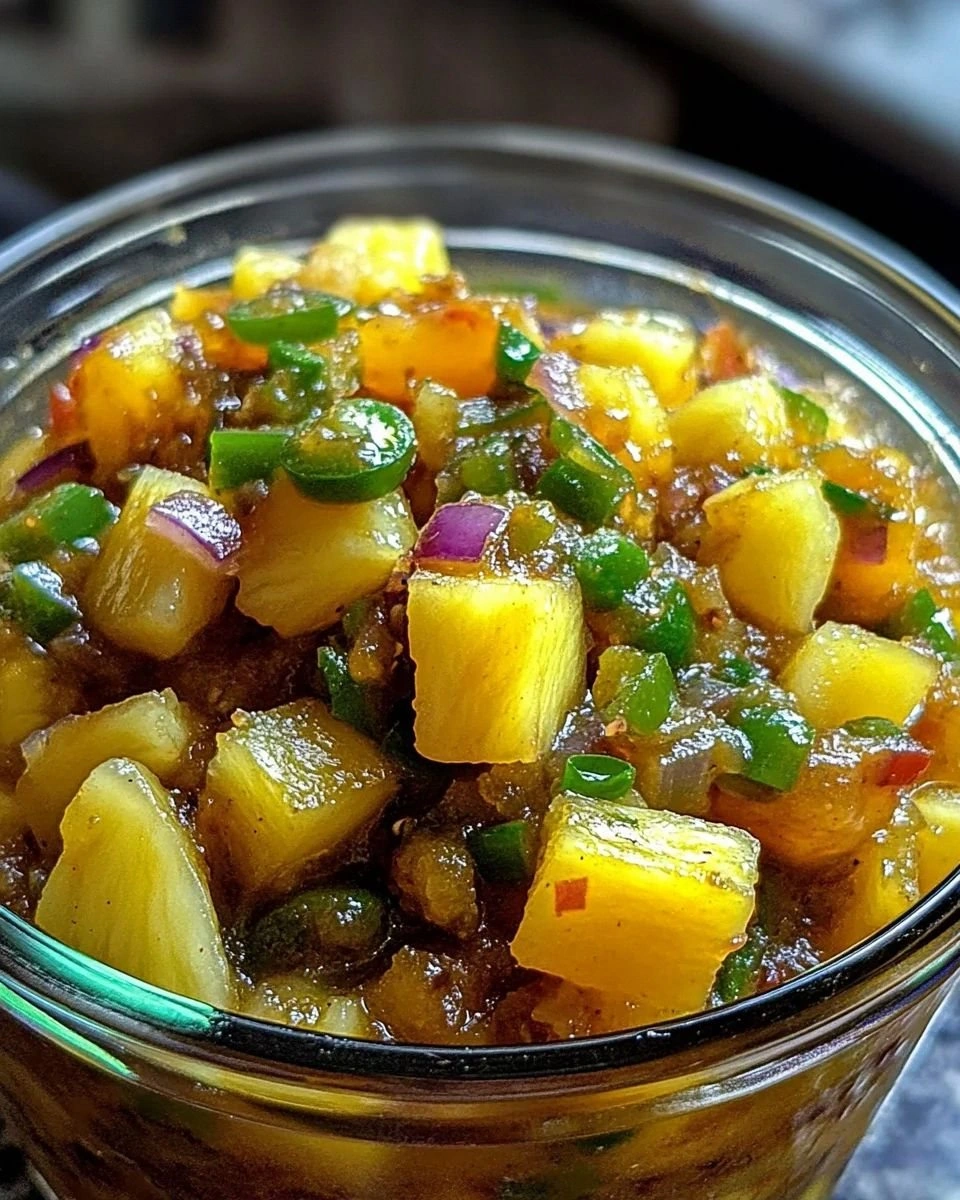
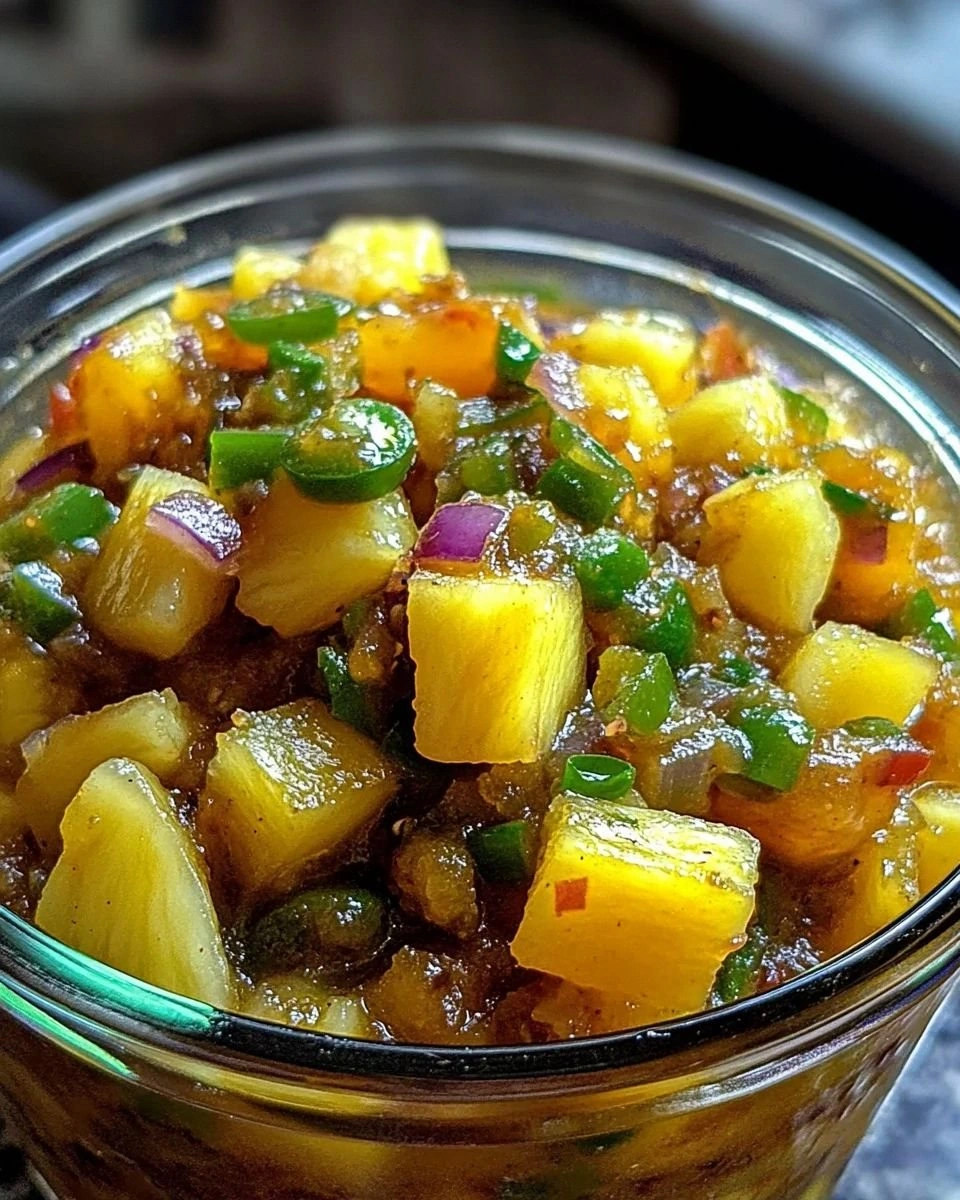
Picture this: the kitchen fills with the scent of pineapple caramelizing, a subtle smokiness from the jalapeños, and a sharp, almost electric tang from apple cider vinegar. The sound of the mixture bubbling in the pan is like a tiny orchestra warming up for a big performance, and the steam that rises looks like a misty sunrise over a beach. When you finally scoop a spoonful, the texture is a perfect balance between chunky fruit and silky sauce, coating the spoon like velvet while still giving you a little bite from the jalapeño seeds. It’s the kind of sauce that makes you want to slap it on grilled chicken, drizzle it over tacos, or even spread it on a cheese board for that wow factor.
Most chutney recipes get this completely wrong – they’re either too sweet, too watery, or they lack that punch that makes you sit up straight. This version stands out because I’ve fine‑tuned the sugar‑to‑vinegar ratio, introduced ground ginger for warmth, and added a pinch of cumin for depth. The secret technique? A quick deglaze with a splash of lime juice at the very end that lifts every flavor into the stratosphere. Trust me, this is hands down the best version you’ll ever make at home, and I’m about to prove it.
Okay, ready for the game‑changer? I’m going to walk you through every single step — by the end, you’ll wonder how you ever made chutney any other way. Stay with me here — this is worth it.
What Makes This Version Stand Out
- Flavor Explosion: The sweet pineapple is perfectly balanced by the heat of jalapeños, creating a dance of sweet‑heat that’s addictive.
- Texture Harmony: You get juicy pineapple chunks that still hold their shape, surrounded by a glossy, slightly thick sauce that clings to anything you spoon it on.
- Simplicity: Only nine ingredients, all pantry‑friendly, and you don’t need any fancy equipment – a sharp knife and a sturdy saucepan do the trick.
- Uniqueness: The addition of ground ginger and cumin adds an aromatic depth that most store‑bought versions lack.
- Crowd Reaction: I’ve served this at backyard parties and it disappears faster than ice cream on a summer day – people keep asking for the recipe.
- Ingredient Quality: Using a ripe pineapple and fresh jalapeños makes the flavor pop; the quality of the fruit truly shines.
- Cooking Method: A gentle simmer preserves the fruit’s integrity while allowing the flavors to meld without turning mushy.
- Make‑Ahead Potential: This chutney actually improves after a day in the fridge as the spices fully infuse.
Alright, let's break down exactly what goes into this masterpiece...
Inside the Ingredient List
The Flavor Base
Pineapple is the star of the show. A medium fresh pineapple adds tropical sweetness that’s bright and fragrant. If you pick one that’s over‑ripe, the chutney will become mushy; under‑ripe and you’ll miss that natural caramel note. Look for a pineapple that smells sweet at the stem and yields slightly to pressure. A quick tip: give it a gentle twist – if the leaves come out easily, it’s ripe.
Jalapeños bring the heat. Fresh jalapeños bring the heat! Adjust the number to suit your spice tolerance—skip the seeds for a milder option or leave them in for more kick. The seeds hold most of the capsaicin, so if you’re daring, keep them; if you’re cautious, remove them and still retain that peppery flavor. For a smoky twist, roast them first, but that adds an extra step.
The Texture Crew
Red onion adds a subtle sharpness that cuts through the sweetness. This small red onion adds a subtle sharpness. Feel free to substitute with yellow or white onion, depending on your preference. The red onion’s natural pigments also give the chutney a gorgeous blush, making it look as good as it tastes.
Apple cider vinegar is the tangy punch. It provides a tangy punch that balances the sweetness of pineapple. You can swap it with white vinegar if that’s what you have on hand, but the apple flavor adds a gentle fruitiness that white vinegar lacks. Add it gradually and taste – you want that bright zip without overwhelming the fruit.
The Unexpected Star
Ground ginger and cumin are the secret weapons. Ground ginger contributes a warm, aromatic profile that makes the chutney feel cozy, while ground cumin offers a nutty, earthy flavor that deepens the overall taste. No cumin? Smoked paprika can be a fun substitute, giving a subtle smoky note that pairs well with the pineapple.
Brown sugar adds depth. It adds depth and richness. If you’d like a healthier twist, consider using honey or maple syrup instead, but keep in mind that liquid sweeteners will thin the sauce slightly, so you may need to simmer a bit longer.
The Final Flourish
Salt and black pepper are the essential seasonings. They boost all the flavors, and a pinch of each can transform the chutney from good to unforgettable. Adjust to your liking for the perfect blend. Lime juice (optional) is the final zing; a squeeze of lime adds a zesty kick and freshness that lifts every other ingredient.
Everything's prepped? Good. Let's get into the real action...
The Method — Step by Step
First, prep all your produce. Peel the pineapple, core it, and dice it into roughly ½‑inch cubes. Slice the jalapeños thinly, keeping the seeds if you like serious heat. Peel and finely dice the red onion. This step is crucial because uniform pieces ensure even cooking and a consistent texture throughout the chutney.
Heat a heavy‑bottomed saucepan over medium heat and add a splash of oil (just enough to coat the bottom). Once shimmering, toss in the diced onion. Sauté for 3‑4 minutes until the edges turn translucent and you can hear a gentle sizzle – that’s the first flavor foundation building.
Add the sliced jalapeños to the pan. Stir for another 2 minutes, letting their aroma rise.
Kitchen Hack: If you’re sensitive to pepper fumes, keep the kitchen fan on and wear a light mask – the aroma can be deceptively strong.Now, stir in the pineapple cubes. Let them sit for about a minute, allowing the natural sugars to start caramelizing. You’ll notice the edges of the pineapple turning a golden brown, releasing a sweet perfume that fills the kitchen – that sizzle when it hits the pan? Absolute perfection.
Pour in the apple cider vinegar and brown sugar. Increase the heat just enough to bring the mixture to a gentle boil. Once boiling, reduce the heat to low and let it simmer. This is the moment of truth: the sauce should thicken slowly, pulling away from the sides of the pan after about 10‑12 minutes. Keep stirring every few minutes to prevent sticking.
Season with ground ginger, ground cumin, salt, and black pepper. Stir well to distribute the spices evenly. Taste at this point – the chutney should have a sweet‑heat balance, a hint of earthiness from the cumin, and a warm background from the ginger. If it feels too sharp, add a pinch more brown sugar; if it needs brightness, a splash more vinegar.
If you’re using lime juice, drizzle it in now. This final splash of acidity lifts the whole mixture, making the flavors sing. Let the chutney simmer for another 2‑3 minutes, then remove from heat.
Watch Out: Do not over‑cook – if the chutney becomes too thick, it will turn into a jam and lose its bright bite. Aim for a sauce that’s thick enough to coat a spoon but still glossy.Transfer the hot chutney to a clean jar. Let it cool to room temperature before sealing; this prevents condensation and keeps the texture perfect. Once sealed, refrigerate for at least an hour – the flavors meld and the chutney becomes even more vibrant.
Serve! This chutney pairs beautifully with grilled chicken, pork ribs, roasted vegetables, or simply as a dip for crusty bread. Picture yourself pulling this out of the fridge, the whole kitchen smelling incredible, and your guests reaching for more before you even get a chance to taste it.
That's it — you did it. But hold on, I've got a few more tricks that'll take this to another level...
Insider Tricks for Flawless Results
The Temperature Rule Nobody Follows
Never rush the simmer. A low, steady heat allows the pineapple’s natural pectin to break down slowly, creating that glossy, clingy texture without turning the mixture gummy. If you crank the heat, the sugars will caramelize too fast and you’ll end up with burnt edges. I once tried a high‑heat shortcut and the chutney tasted of burnt sugar – a lesson learned the hard way.
Why Your Nose Knows Best
Your sense of smell is the ultimate doneness gauge. When the sauce starts to give off a sweet‑spicy aroma and you can detect a faint tang of vinegar, you’re close. If you still smell raw pineapple, keep simmering. Trusting your nose saves you from under‑cooking and ensures the flavors are fully integrated.
The 5‑Minute Rest That Changes Everything
After you turn off the heat, let the chutney sit in the pan, uncovered, for five minutes. This short rest lets the residual heat finish the thickening process and allows the spices to settle into the fruit. Skipping this step often results in a slightly watery final product.
The Lime Finish
Adding lime juice at the very end, right before you jar, preserves its bright, fresh zing. If you add it too early, the acidity can break down the fruit’s texture, making it mushier. A quick squeeze right before sealing locks in that citrus pop.
The Double‑Check Salt Test
Before sealing, take a tiny spoonful, let it cool, and taste. The salt should be present but not overpowering; it should simply bring out the other flavors. If it feels flat, a pinch more salt can revive the entire profile. This final taste check is the secret behind my consistently balanced chutneys.
Creative Twists and Variations
This recipe is a playground. Here are some of my favorite ways to switch things up:
Mango‑Heat Fusion
Swap half the pineapple for ripe mango. The mango adds a buttery sweetness that pairs beautifully with the jalapeño heat, creating a more tropical vibe. Perfect for summer barbecues.
Smoky Chipotle Version
Replace jalapeños with chipotle peppers in adobo sauce. You’ll get a smoky depth and a deeper red hue. This variation shines when paired with grilled steak.
Apple Cider Twist
Add diced Granny Smith apples along with the pineapple for a tart crunch. The apples bring extra acidity that balances the sugar, making it ideal for pork dishes.
Herbal Brightness
Stir in a handful of fresh cilantro or mint right before serving. The herbaceous note lifts the chutney, making it a fresh topping for tacos or fish.
Spiced Rum Glaze
Add a tablespoon of dark rum during the simmer. The rum caramelizes with the sugar, imparting a subtle boozy warmth that’s perfect for holiday roasts.
Storing and Bringing It Back to Life
Fridge Storage
Transfer the cooled chutney to a sterilized glass jar, seal tightly, and store in the refrigerator. It will keep for up to two weeks. The flavors continue to meld, so the second week often tastes even better than day one.
Freezer Friendly
Portion the chutney into freezer‑safe bags or containers, leaving a little headspace for expansion. Freeze for up to three months. Thaw in the refrigerator overnight, then give it a quick stir before using.
Best Reheating Method
When you’re ready to serve, gently warm the chutney in a saucepan over low heat, adding a splash (about a tablespoon) of water or extra lime juice. This steam‑back technique revives the glossy texture and freshens the flavors without over‑cooking.