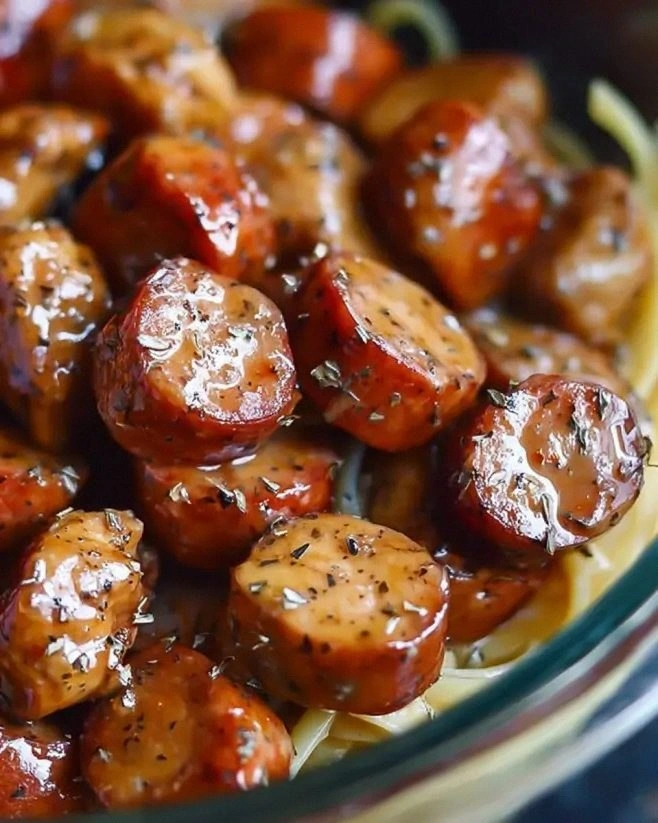
I’ll be honest — I ate half the batch before anyone else got to try it, and that was after a kitchen disaster that could have ruined my entire weekend. Picture this: a frantic Saturday night, the kids demanding something quick, the fridge humming with a lonely block of kielbasa, and my mind racing for a snack that would feel like a celebration rather than a concession. I tossed the sausage into the slow cooker, doused it in a honey‑mustard glaze, and set it on “low” while I tried to remember the lyrics to my favorite song. The result? A caramel‑kissed, tangy bite that turned the ordinary into the unforgettable, and I swear the whole house smelled like a summer fair mixed with a backyard barbecue.
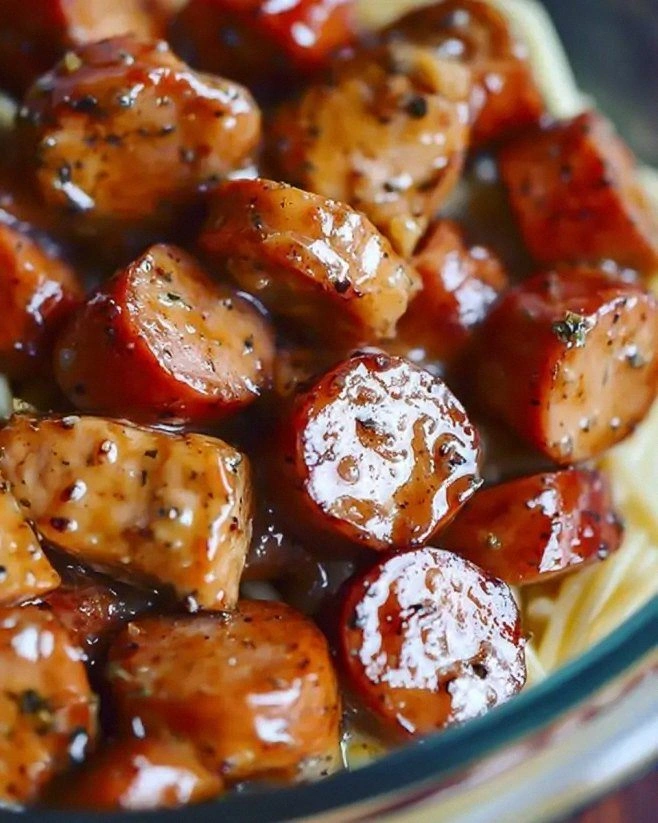
That first bite was a revelation – the sweetness of honey hugging the sharp bite of Dijon, the smoky depth of kielbasa, and a whisper of soy sauce that made the flavor dance like a seasoned tango partner. I dared myself to taste it and not go back for seconds, and let me tell you, I failed spectacularly. Most recipes get this completely wrong, either drowning the sausage in a syrupy mess or leaving it dry and bland. This version, however, strikes a perfect balance, coating each piece in a glossy glaze that clings like velvet and then caramelizes just enough to give you that satisfying snap when you bite in.
What really sets this dish apart is the simplicity of the method – you literally set it and forget it, letting the slow cooker work its magic while you prep the rest of your dinner or binge‑watch your favorite series. The secret ingredient? A dash of black pepper that adds a subtle heat, and a tiny splash of soy sauce that deepens the umami without making it taste Asian. It’s the kind of recipe that feels like a cheat code for flavor, and I’m ready to spill every detail so you can replicate the magic at home.
Okay, ready for the game‑changer? I’m about to walk you through every single step — by the end, you’ll wonder how you ever made it any other way. Picture yourself pulling this out of the slow cooker, the whole kitchen smelling incredible, the glaze still glistening, and a plate of bite‑size wonders waiting for you and your friends. Let’s dive in and turn a humble sausage into the star of the party.
What Makes This Version Stand Out
- Taste: The honey‑mustard glaze delivers a sweet‑tangy punch that perfectly complements the smoky kielbasa, creating a flavor profile that’s both familiar and exciting.
- Texture: Slow‑cooking keeps the sausage juicy, while the glaze caramelizes on the edges, giving you a tender interior and a slightly crisp, sticky exterior.
- Simplicity: Fewer than seven ingredients and a single pot mean minimal prep, cleanup, and no need to babysit the stove.
- Uniqueness: The addition of soy sauce adds depth without overtaking the classic honey‑mustard vibe, a twist most recipes overlook.
- Crowd Reaction: These bites disappear faster than you can say “second helping,” making them perfect for parties, game nights, or impromptu gatherings.
- Ingredient Quality: Using a good‑quality kielbasa with natural spices elevates the dish; cheap versions can leave you with a bland base.
- Cooking Method: The slow cooker gently infuses flavors, eliminating the risk of burning that you get with high‑heat stovetop methods.
- Make‑Ahead Potential: You can prep the glaze hours in advance, store it, and simply toss it in when you’re ready to cook.
Inside the Ingredient List
The Flavor Base
Honey is the star of the glaze, providing that golden sweetness that caramelizes beautifully in the slow cooker. If you substitute agave or maple syrup, you’ll get a different flavor note that may clash with the mustard’s sharpness. I recommend using a light, floral honey for the most balanced sweetness; dark honey can overwhelm the delicate mustard.
Dijon mustard brings a sophisticated tang that cuts through the richness of the sausage. Its fine grain texture ensures it mixes smoothly with the honey, creating a uniform coating. Skipping the mustard or swapping it for yellow mustard will make the glaze one‑dimensional and overly sweet.
The Texture Crew
Brown sugar isn’t just there for sweetness; it adds a subtle molasses undertone and helps the glaze achieve that glossy, sticky finish. If you use white sugar, you’ll miss out on the depth that brown sugar imparts, and the glaze may turn grainy.
Garlic cloves, minced finely, introduce a fragrant bite that rounds out the sweet‑tangy duo. Fresh garlic is essential – powdered garlic won’t give you the same aromatic punch and can taste flat.
The Unexpected Star
Soy sauce might seem out of place, but a tablespoon adds a savory umami foundation that deepens the overall flavor without making the dish taste Asian. It also helps the glaze adhere to the sausage by providing a slight saltiness.
Black pepper, used sparingly, adds a gentle heat that prevents the glaze from feeling cloyingly sweet. Freshly cracked pepper is best; pre‑ground pepper can lose its bite over time.
The Final Flourish
When selecting kielbasa, look for a firm, slightly smoky sausage with a natural snap when you bite. Avoid overly fatty links that can render too much grease, making the glaze watery. If you can, ask the butcher for a fresh, unsmoked version and give it a quick sear before slow cooking for extra flavor.
Everything's prepped? Good. Let's get into the real action…
The Method — Step by Step
Start by cutting the kielbasa into bite‑size pieces, about one inch each. This size ensures the glaze can fully coat every surface while still keeping the interior juicy. Toss the pieces into the slow cooker, spreading them out in an even layer so no piece gets left out of the flavor party.
Kitchen Hack: If you’re short on time, use pre‑sliced kielbasa; just make sure each piece is roughly the same size for uniform cooking.In a medium bowl, whisk together honey, Dijon mustard, brown sugar, minced garlic, soy sauce, and black pepper until the mixture is smooth and glossy. The whisking step is crucial – it dissolves the sugar completely, preventing a gritty texture later.
Taste the glaze at this point; it should be a balanced sweet‑tangy mix with a faint salty undertone. If you feel it needs a little more bite, add a pinch more black pepper – but remember, a little goes a long way.
Pour the glaze over the kielbasa in the slow cooker, using a spatula to toss everything together so each piece gets a generous coating. The sauce should pool at the bottom, creating a mini‑sauce bath that will slowly reduce and thicken.
Set the slow cooker to low and let it cook for 2½ to 3 hours. During this time, the flavors will meld, and the glaze will begin to caramelize, turning a beautiful amber hue.
After the first hour, give the mixture a gentle stir. This prevents any piece from sticking to the bottom and ensures even caramelization. You’ll notice the glaze starting to thicken – that’s the sweet spot where the sugars are beginning to brown.
Watch Out: If the glaze looks too thick early on, add a splash of water or extra soy sauce to keep it fluid; you can always reduce it later.When the timer hits 2½ hours, check the consistency. The glaze should be thick enough to coat the back of a spoon but still pourable. If it’s still runny, increase the heat to high for the last 15‑20 minutes – this will give it the final caramel kick.
During this final phase, the edges of the sausage pieces will start to pull away from the glaze, creating that coveted sticky‑crisp finish. That sizzle when it hits the pan? Absolute perfection.
Once the glaze has reached a glossy, slightly sticky consistency, turn off the slow cooker. Let the bites sit for five minutes; this resting period allows the sauce to set and the flavors to settle.
While they rest, pre‑heat a broiler for a quick finish if you crave extra caramelization. Transfer the bites to a baking sheet, spread them out, and broil for 2‑3 minutes, watching closely so they don’t burn.
Kitchen Hack: For an extra glossy finish, brush the bites with a thin layer of melted butter right before broiling.Serve the bites hot, straight from the slow cooker or broiler, with a sprinkle of fresh chopped parsley for color and a dash of extra black pepper if you like a punch.
These bites are perfect on their own, but they also shine when paired with a crisp green salad, a tangy coleslaw, or a simple dip of Greek yogurt mixed with a touch of mustard.
Store any leftovers in an airtight container. They reheat beautifully in the microwave or a quick toss in a hot skillet, where the glaze will revive its shine.
That’s it — you did it. But hold on, I’ve got a few more tricks that’ll take this to another level…
Insider Tricks for Flawless Results
The Temperature Rule Nobody Follows
Most home cooks set their slow cooker on “low” and forget to check the internal temperature, assuming it’s automatically perfect. In reality, the ideal temp for caramelizing the glaze is around 190°F (88°C). Use a quick‑read thermometer to make sure you’re hitting that sweet spot; it ensures the sugars brown without scorching.
Why Your Nose Knows Best
Your sense of smell is a more reliable indicator than a timer. When the glaze starts to emit a nutty, caramel aroma, you’re nearing the perfect finish. Trust that nose cue, and you’ll avoid over‑cooking, which can turn the glaze bitter.
The 5‑Minute Rest That Changes Everything
Allowing the bites to rest for a few minutes after cooking lets the sauce thicken and cling better. This short pause also lets the flavors meld, so each bite delivers a balanced taste rather than a burst of one dominant note.
Sear First, Slow‑Cook Later
If you have a few extra minutes, quickly sear the kielbasa pieces in a hot pan before adding them to the slow cooker. The sear creates a Maillard crust that adds depth and prevents the sausage from becoming too soft.
Don’t Overcrowd the Cooker
Packing too many pieces into the slow cooker can trap steam and prevent the glaze from caramelizing properly. Keep the sausage in a single, even layer; if you have a larger batch, consider using two slow cookers or cooking in two rounds.
Creative Twists and Variations
This recipe is a playground. Here are some of my favorite ways to switch things up:
Spicy Sriracha Kick
Add a tablespoon of sriracha to the glaze for a fiery undertone that pairs beautifully with the honey’s sweetness. Great for those who love a little heat without overwhelming the palate.
Maple‑Bacon Fusion
Swap half the honey for pure maple syrup and crumble cooked bacon into the glaze. The smoky bacon adds crunch, while maple deepens the caramel notes, turning the bites into a breakfast‑for‑dinner sensation.
Asian‑Inspired Soy‑Ginger
Replace Dijon mustard with a teaspoon of Chinese mustard and add freshly grated ginger to the sauce. Finish with a drizzle of toasted sesame oil after cooking for an umami‑rich twist.
Herb‑Infused Delight
Stir in a tablespoon of chopped fresh rosemary or thyme into the glaze before cooking. The herbs infuse the sauce with aromatic notes that complement the sausage’s smoky profile.
Cheesy Crust
During the final broil, sprinkle grated sharp cheddar or smoked gouda over the bites. The cheese melts and forms a golden crust, adding richness and a gooey texture.
Storing and Bringing It Back to Life
Fridge Storage
Transfer leftovers to an airtight container and refrigerate for up to four days. The glaze will thicken slightly, but a quick reheating in a skillet with a splash of water will restore its sheen.
Freezer Friendly
Lay the cooked bites on a parchment‑lined tray, freeze until solid, then move them to a zip‑top bag. They’ll keep for up to three months. When you’re ready, thaw in the fridge overnight and reheat in a hot pan.
Best Reheating Method
For the crispiest results, reheat in a preheated oven at 375°F (190°C) for 8‑10 minutes, adding a teaspoon of water to the bottom of the pan to create steam. This prevents the bites from drying out while reviving the caramelized glaze.