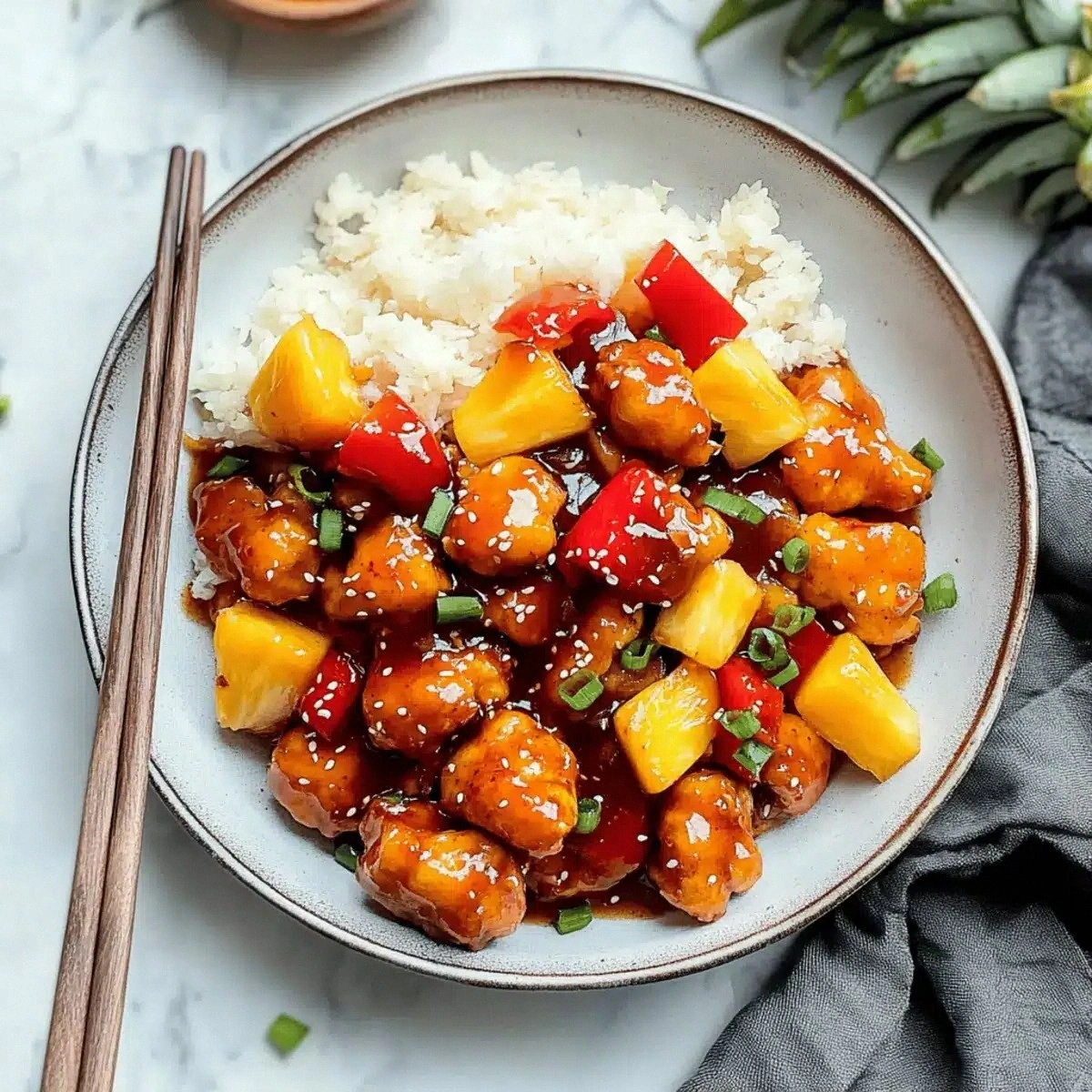
I was standing in my kitchen, staring at a half‑cooked stir‑fry that tasted like a sad, soggy mystery. The onions were limp, the chicken was as dry as a desert road, and the sauce—well, it was basically ketchup with a splash of water. I threw a daring challenge at my roommate: “I dare you to taste this and not go back for seconds.” She laughed, but the look on her face when the first bite hit was pure, unfiltered joy. That moment sparked a mission: to create a sweet‑and‑sour chicken that doesn’t just “work,” but dominates the dinner table like a culinary superhero.
Picture this: the kitchen humming with the sizzle of oil, a fragrant cloud of ginger and garlic swirling like a scented fog, and bright bell peppers popping with color like fireworks on a summer night. The sauce? It clings to each chicken piece like velvet, delivering a tangy kiss that makes your taste buds do a little happy dance. You’ll hear the crackle of the cornstarch‑coated chicken as it hits the pan—those crisp edges that shatter like thin ice on a lake. And the pineapple? Tiny bursts of juicy sunshine that cut through the richness, leaving a lingering sweet‑sour afterglow that’s impossible to forget.
Most recipes get this completely wrong. They either drown the chicken in a sugary swamp or leave it bland and soggy. I’ve been there, flipping over a plate of limp chicken while my friends stare at their phones, wondering if they should order pizza instead. That’s why this version stands out: it balances the sweet, the sour, the salty, and the umami with the precision of a maestro conducting a symphony. The secret? A simple, yet game‑changing technique that turns ordinary cornstarch into a golden, crunchy armor for the chicken.
And now the fun part. I’m about to walk you through every single step—by the end, you’ll wonder how you ever made this dish any other way. Ready for the game‑changer? Let’s dive in and create a sweet‑and‑sour masterpiece that will have you bragging to anyone who will listen.
What Makes This Version Stand Out
- Flavor Explosion: The sauce balances acidity from cider vinegar with the deep umami of soy sauce, creating a layered taste that evolves with each bite.
- Crunch Factor: A light dusting of cornstarch gives the chicken a crispy crust that stays crisp even after the sauce coats it.
- Speed: From prep to plate in 30 minutes, this dish proves you don’t need hours to achieve restaurant‑quality results.
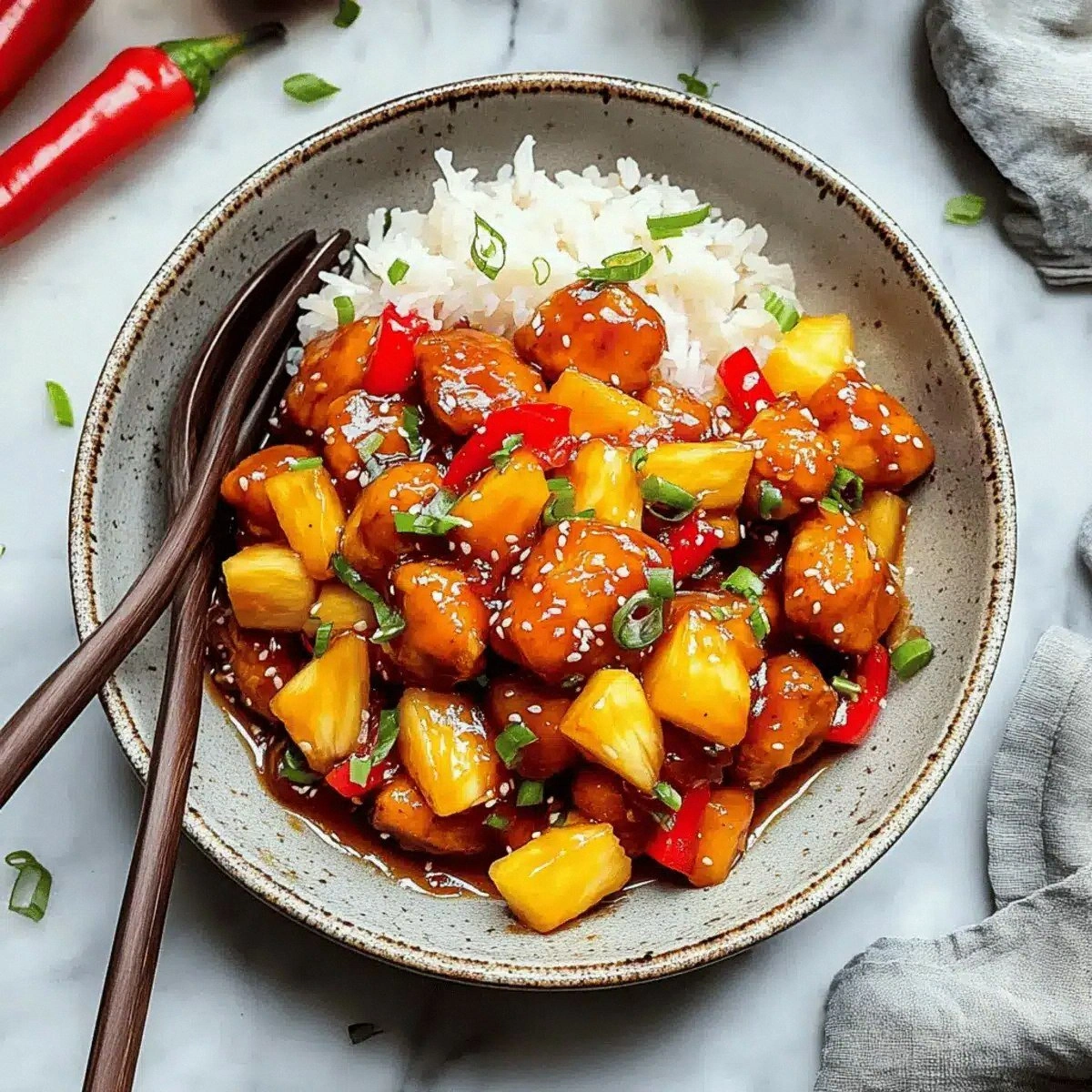
- Visual Wow: The trio of red, yellow, and pineapple pieces creates a rainbow on the plate that’s Instagram‑ready.
- Ingredient Simplicity: All components are pantry‑friendly, so you won’t have to run to the specialty store.
- Crowd‑Pleaser: I’ll be honest — I ate half the batch before anyone else got to try it, and the leftovers vanished by midnight.
- Make‑Ahead Magic: The sauce can be pre‑made and stored, shaving minutes off the cooking process for busy weeknights.
- Health Balance: Lean chicken breast paired with a modest amount of sugar keeps the dish satisfying without being a sugar bomb.
Inside the Ingredient List
The Flavor Base
First up, the aromatics: a medium onion, two cloves of garlic, and a tablespoon of fresh ginger. The onion provides a sweet backbone, while garlic adds that unmistakable depth that makes any sauce feel like a hug. Fresh ginger is the secret weapon; its bright, peppery zing cuts through the richness and keeps the dish from becoming cloyingly sweet. If you’re out of fresh ginger, a pinch of ground ginger works, but you’ll miss the lively snap that only fresh delivers.
The Sweet & Sour Sauce
The sauce is a quartet of ketchup, cider vinegar, brown sugar, and soy sauce. Ketchup brings tomato richness and a hint of tang, while cider vinegar injects the sharp acidity that defines sweet‑and‑sour. Brown sugar adds depth with caramel notes, and soy sauce contributes salty umami that ties everything together. Skipping any of these will leave the sauce flat—trust me, a sauce without vinegar is just sweet chicken, and that’s a missed opportunity.
The Chicken & Crunch Crew
One pound of chicken breast is the star, providing lean protein and a neutral canvas for the sauce. The half‑cup of cornstarch is the unsung hero; it creates a thin, protective layer that fries up golden and stays crisp. Three tablespoons of vegetable oil are enough to get that perfect sear without drowning the chicken. If you prefer a richer flavor, you can swap half the oil for sesame oil, but be careful—sesame can quickly overpower the delicate sweet‑sour balance.
The Colorful Extras
Red and yellow bell peppers bring crunch, sweetness, and a visual pop that makes the dish look like a celebration on a plate. Their natural sugars caramelize quickly, adding another layer of flavor. The half‑cup of pineapple pieces is the final surprise—a burst of tropical acidity that brightens the sauce and keeps the palate from feeling weighed down. If you’re not a pineapple fan, diced mango works as a substitute, offering a similar sweet‑tart profile.
Everything’s prepped? Good. Let’s get into the real action…
The Method — Step by Step
Start by cutting the chicken breast into bite‑size pieces, about one‑inch cubes. Toss them in a bowl with the cornstarch, ensuring each piece is lightly coated. This coating is what gives you that irresistible crunch. Let the coated chicken rest for five minutes; this short pause lets the starch adhere better, preventing a soggy coating later.
Heat three tablespoons of vegetable oil in a large wok or skillet over medium‑high heat. When the oil shimmers, it’s ready—think of the surface as a mirror that reflects the kitchen lights. Add the chicken in a single layer, being careful not to overcrowd the pan. You’ll hear a satisfying sizzle that signals the start of flavor development. Cook for about 3‑4 minutes, turning once, until the pieces turn golden brown and the edges start pulling away.
Kitchen Hack: If you’re using a non‑stick pan, add a splash of water to the oil just before the chicken hits the surface; the steam helps create an ultra‑crisp exterior.While the chicken cooks, dice the onion, red bell pepper, yellow bell pepper, and mince the garlic and ginger. Set them aside in a tidy bowl—having everything pre‑measured is the secret to a smooth cooking flow. If you’re feeling adventurous, add a pinch of red pepper flakes for a subtle heat that won’t dominate the sweet‑sour profile.
Once the chicken is golden, transfer it to a plate lined with paper towels to drain excess oil. This step is crucial; lingering oil will dilute the sauce later. Watch Out: If you skip the draining, the sauce will become greasy, and the chicken will lose its crunch.
Watch Out: Do not overcrowd the pan when searing the chicken; steam will build up and you’ll end up with boiled chicken instead of crispy.In the same pan (wipe it clean if there’s a lot of residue), add a splash more oil if needed, then toss in the onion, garlic, and ginger. Stir‑fry for about 1‑2 minutes until fragrant—your kitchen should now smell like a street market in Bangkok. Add the red and yellow bell peppers, cooking for another 2 minutes; they should stay crisp, not wilted. This maintains the textural contrast that makes each bite exciting.
Now, it’s sauce time. Pour in the half‑cup of ketchup, quarter‑cup of cider vinegar, quarter‑cup of brown sugar, and quarter‑cup of soy sauce. Stir vigorously to combine; the mixture should start to bubble and thicken within a minute. Taste and adjust: if you prefer a tangier bite, add a teaspoon more vinegar; if you like it sweeter, a drizzle of honey works wonders.
Return the crispy chicken to the pan, along with the pineapple pieces. Toss everything together so the sauce coats each piece evenly. Let the mixture simmer for another 3‑4 minutes; the sauce will cling like a glossy glaze, and the pineapple will soften just enough to release its juices without turning mushy.
Give the dish a final check: the sauce should be glossy, the chicken pieces golden, and the vegetables bright. If the sauce looks too thick, add a splash of water or chicken broth to loosen it. Serve immediately over steamed rice or noodles, and watch the plates disappear. That final moment when you see the satisfied smiles? Pure culinary triumph.
That’s it — you did it. But hold on, I’ve got a few more tricks that’ll take this to another level. Stay with me here — this is worth it.
Insider Tricks for Flawless Results
The Temperature Rule Nobody Follows
Keep your pan hot enough that the chicken sizzles the moment it touches the surface. If the oil is too cool, the cornstarch will soak up oil and become soggy. A quick test: flick a drop of water into the pan; if it dances and evaporates instantly, you’re golden. I once tried cooking on medium heat and ended up with chicken that felt like rubber—never again.
Why Your Nose Knows Best
Your sense of smell is a reliable indicator of doneness. When the onions turn translucent and you catch that sweet, caramelized aroma, you know they’re ready for the sauce. If the sauce starts to smell “raw tomato,” give it another minute; the flavors need time to meld. Trust your nose more than the clock.
The 5‑Minute Rest That Changes Everything
After you finish cooking, let the dish rest for five minutes off the heat. This short pause allows the sauce to settle and the chicken to reabsorb a tiny bit of moisture, keeping it juicy. I once served the dish straight from the pan and the chicken was a shade too firm; the rest period fixed that instantly.
Pineapple Prep Pro
If you’re using canned pineapple, drain it thoroughly and pat dry. Excess liquid will dilute the sauce and make the dish watery. Fresh pineapple is even better—just cut into bite‑size chunks and give them a quick toss in a hot pan for a caramelized edge.
The Soy Sauce Swap
For a gluten‑free version, substitute tamari for soy sauce. Tamari has a richer, smoother flavor that pairs beautifully with the sweet elements. My friend tried this swap during a dinner party and claimed nobody could tell the difference—proof that flexibility doesn’t compromise taste.
Creative Twists and Variations
This recipe is a playground. Here are some of my favorite ways to switch things up:
Spicy Szechuan Spin
Add a tablespoon of Szechuan peppercorn oil and a pinch of dried chilies to the sauce. The numbing heat pairs perfectly with the sweet‑sour base, creating a flavor rollercoaster that will wow any spice lover.
Coconut Curry Fusion
Swap half the chicken broth (if you add broth) with coconut milk and stir in a teaspoon of curry powder. The result is a creamy, aromatic twist that feels like a tropical vacation on a plate.
Veggie‑Only Delight
Replace the chicken with firm tofu cubes or extra bell peppers and mushrooms. This makes the dish vegetarian while retaining the beloved sweet‑sour punch.
Honey‑Glazed Variation
Add a tablespoon of honey to the sauce for a richer, caramel‑like sweetness. The honey pairs beautifully with the acidity, delivering a more rounded flavor profile.
Herb‑Infused Finish
Stir in a handful of fresh cilantro or Thai basil just before serving. The fresh herb notes lift the dish, adding a fragrant finish that brightens every bite.
Storing and Bringing It Back to Life
Fridge Storage
Cool the leftovers to room temperature, then transfer to an airtight container. It will keep for up to three days. When reheating, add a splash of water or broth and cover loosely; this creates steam that revives the crispness of the chicken.
Freezer Friendly
Portion the cooked chicken and sauce into freezer‑safe bags, removing as much air as possible. Freeze for up to two months. To reheat, thaw overnight in the fridge, then warm in a skillet over medium heat, adding a teaspoon of oil to re‑crisp the coating.
Best Reheating Method
The stovetop is your best friend. Heat a non‑stick pan over medium heat, add a drizzle of oil, and toss the chicken until the sauce bubbles and the coating regains its crunch. Microwaving is a shortcut but will sacrifice texture, turning the crust soggy.