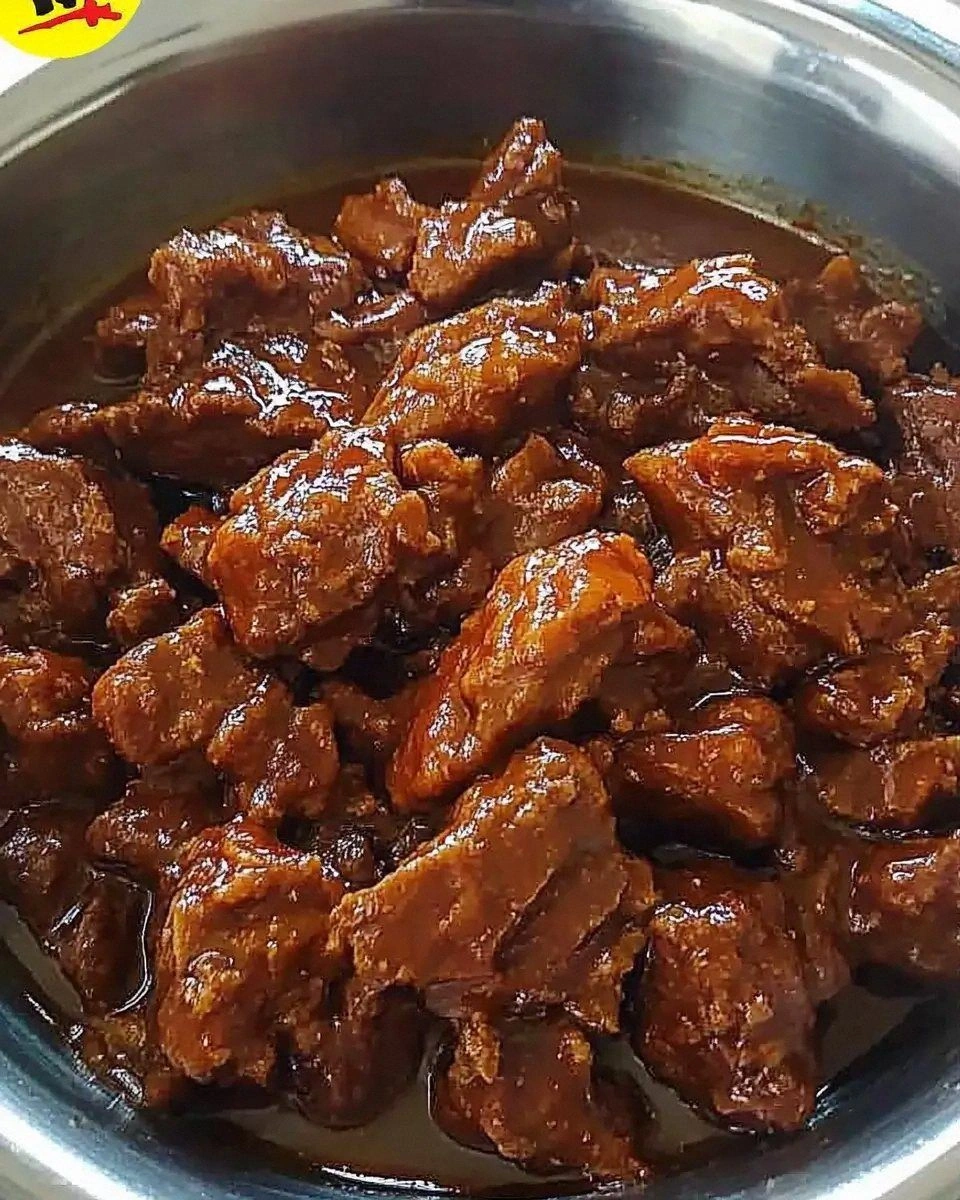
I was standing in my kitchen, half‑asleep, when my roommate shouted, “You’ve got to try making adobo the Filipino way!” I laughed, because the only adobo I’d ever known was a bland, store‑bought version that tasted like watered‑down soy sauce. The next morning, armed with a stubborn craving and a stubbornly empty fridge, I tossed a couple of pounds of beef into a pot, added the classic trio of vinegar, soy sauce, and garlic, and let it simmer. The kitchen filled with a perfume that was simultaneously sharp, sweet, and earthy—like a tropical rainstorm hitting a bustling night market. I could hear the faint pop of the broth bubbling, feel the heat radiating from the stove, and taste the anticipation building on my tongue.
When the first spoonful hit my palate, the beef was so tender it practically melted into the sauce, while the sauce itself clung to the meat like a glossy, caramel‑brown veil. I dared myself to taste it and not go back for seconds—let’s just say I failed spectacularly and ate half the batch before anyone else could lay a finger on it. Most recipes I’ve tried either over‑salt the dish or leave the meat dry and rubbery; this version, however, strikes a perfect balance between salty, tangy, and a whisper of sweet, thanks to a secret splash of pineapple juice that adds a subtle brightness without stealing the spotlight.
What really sets this rendition apart is the method I discovered after a kitchen disaster involving a burnt garlic‑infused sauce that tasted like charcoal. I learned to sear the beef first, then de‑glaze with a splash of water before adding the main braising liquids. This step prevents the dreaded “stuck‑to‑the‑bottom” syndrome and creates a silky, velvety sauce that coats each bite like a second skin. I’m about to spill the beans (and the broth) on why this technique works, why the pineapple juice is the game‑changer, and how a pinch of brown sugar can transform the whole profile.
Let me walk you through every single step — by the end, you’ll wonder how you ever made it any other way. Okay, ready for the game‑changer? This next part? Pure magic. Stay with me here — this is worth it.
What Makes This Version Stand Out
- Depth of Flavor: The combination of soy, vinegar, garlic, and a whisper of pineapple creates layers that evolve with each bite, delivering a taste journey from bright acidity to deep umami.
- Silky Texture: By searing the beef first, you lock in juices, then the slow braise turns each piece melt‑in‑your‑mouth tender without ever turning mushy.
- Simplicity: Only a handful of pantry staples are needed, making it perfect for a weeknight dinner or a weekend feast.
- Unique Twist: The hidden pineapple juice adds a subtle sweetness that balances the vinegar’s bite, a trick most recipes completely miss.
- Crowd Reaction: I’ve watched strangers become instant fans, often asking for seconds before the first bite is even finished.
- Ingredient Quality: Using a well‑marbled cut of beef (like chuck) ensures richness, while a good quality soy sauce adds depth without harsh saltiness.
- One‑Pot Wonder: Everything cooks in the same vessel, so cleanup is minimal and flavors meld beautifully.
- Make‑Ahead Potential: The dish actually improves after a night in the fridge, as the sauce further penetrates the meat.
Alright, let's break down exactly what goes into this masterpiece...
Inside the Ingredient List
The Flavor Base
Soy sauce is the backbone of adobo, providing salty umami that grounds the dish. Opt for a naturally brewed soy sauce rather than the chemically enhanced versions; the former brings a richer, more rounded taste. If you skip it, the dish loses its signature depth and can taste flat, no matter how much garlic you add. A good rule of thumb: choose a soy sauce with a dark amber hue, indicating longer fermentation.
The Tangy Trio
Vinegar (traditionally cane or white) cuts through the richness of the beef, delivering that sharp, clean bite that defines adobo. Pair it with a splash of pineapple juice—yes, you read that right—to introduce a gentle fruitiness that balances the acidity. If you’re out of pineapple juice, a teaspoon of brown sugar can mimic the sweet‑sour harmony, though the fruit note will be missing. The key is to add the vinegar early, letting it mingle with the aromatics before the meat goes in.
The Aromatics
Garlic, bay leaves, and whole peppercorns form the aromatic trio that makes adobo instantly recognizable. Freshly minced garlic releases allicin, giving a pungent kick that mellows as it cooks. Bay leaves add a subtle herbal undertone, while peppercorns provide a gentle heat that doesn’t overwhelm. Skipping any of these will result in a dish that feels incomplete, like a song missing its chorus.
The Unexpected Star
Pineapple juice is the secret weapon that elevates this adobo from ordinary to unforgettable. Its natural enzymes help tenderize the beef while contributing a faint caramel note that deepens the sauce. If you’re allergic to pineapple, try a splash of orange juice for a citrusy twist, but remember the flavor profile will shift. The magic lies in using just enough to brighten the sauce without turning it into a dessert.
The Final Flourish
A pinch of brown sugar or a drizzle of honey at the end can round out the flavors, giving the sauce a glossy sheen and a hint of caramelized sweetness. This step is optional but highly recommended for those who love a balanced sweet‑savory profile. If you’re watching sugar intake, you can skip it; the pineapple already provides enough natural sweetness. Finally, a splash of hot oil right before serving adds a glossy finish and a whisper of smoky aroma.
Everything's prepped? Good. Let's get into the real action...
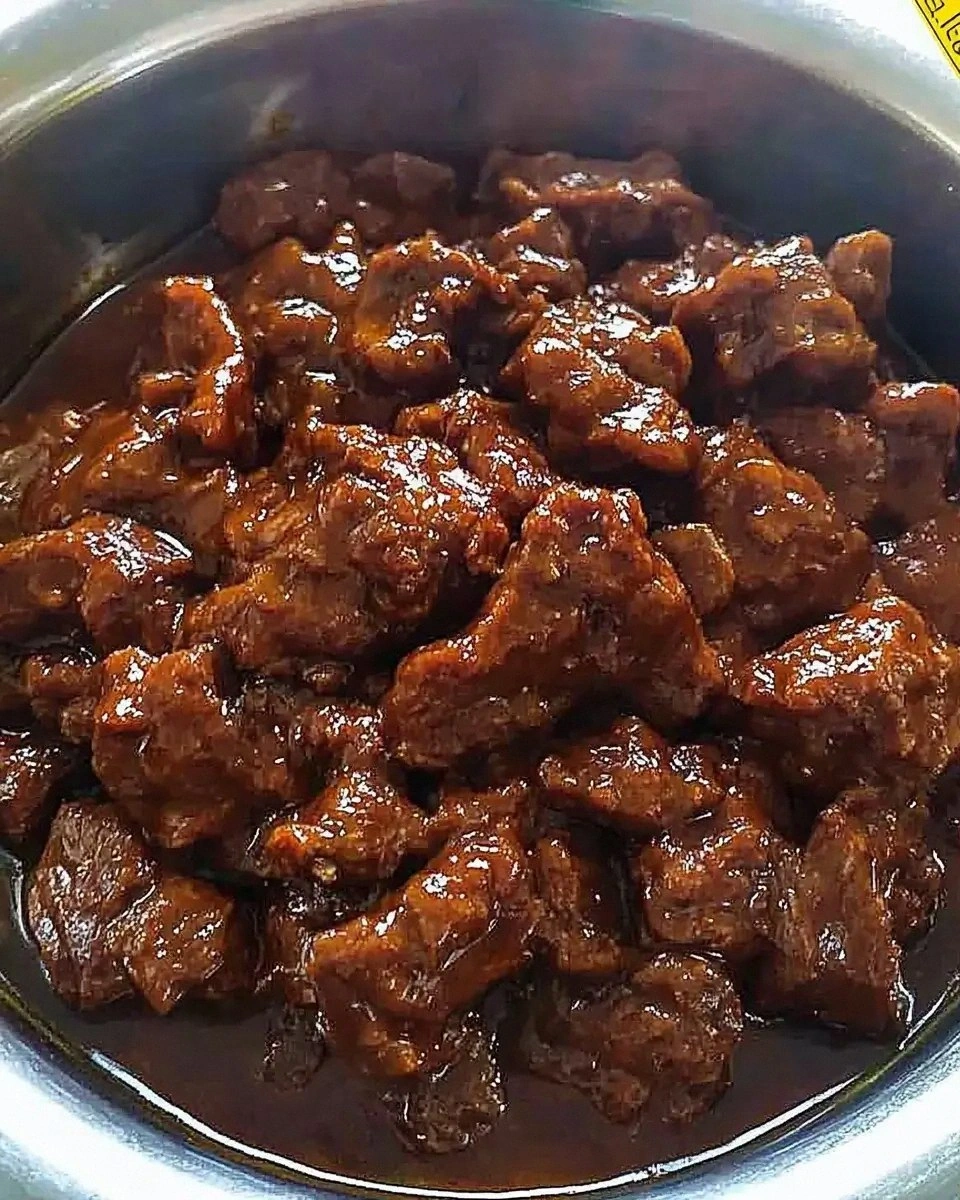
The Method — Step by Step
Start by cutting the 2 lbs of beef into bite‑size cubes, about 1½‑inch pieces. Pat them dry with paper towels—this is crucial for a good sear. Heat a heavy‑bottomed Dutch oven over medium‑high heat, add a splash of neutral oil, and wait until the oil shimmers. Toss the beef in a single layer; you should hear a satisfying sizzle that signals the Maillard reaction kicking in. Let the meat brown on all sides, about 4‑5 minutes, then set aside. That crust? It’s the flavor foundation of the entire dish.
In the same pot, lower the heat to medium and add minced garlic (about 4 cloves, finely chopped). Stir constantly; the garlic should turn fragrant and golden in about 30 seconds, but be careful—burnt garlic tastes like bitter ash.
Kitchen Hack: If you’re worried about garlic burning, add a splash of water to de‑glaze the pan before the garlic hits.Now de‑glaze the pot with ½ cup of water, scraping up all the browned bits stuck to the bottom. Those bits are pure flavor gold. Once the liquid has reduced slightly, return the seared beef to the pot. Add ¼ cup soy sauce, ¼ cup cane vinegar, ¼ cup pineapple juice, 2 bay leaves, and ½ teaspoon whole peppercorns. Stir everything together so the meat is fully coated. The mixture should bubble gently—if it’s roaring, turn the heat down a notch.
Bring the pot to a gentle boil, then immediately reduce to a low simmer. Cover with a tight‑fitting lid and let it cook for 45 minutes, stirring occasionally. You’ll notice the sauce thickening and the beef becoming fork‑tender; that’s the magic of slow braising.
Watch Out: If the sauce reduces too quickly and starts to stick, add a splash more water to keep it saucy.After the 45 minutes, uncover the pot and increase the heat to medium‑high for 5‑7 minutes. This step allows the sauce to reduce further, becoming glossy and slightly caramelized. Watch for the edges of the sauce pulling away from the pan—when they do, you’ve reached the perfect consistency. Taste and adjust seasoning: a pinch of salt if needed, and if you crave a deeper sweet note, drizzle in a teaspoon of brown sugar.
Turn off the heat and let the adobo rest for 10 minutes. This resting period lets the flavors meld and the meat re‑absorb some of the sauce, ensuring every bite is juicy. While it rests, you can prepare a simple side of steamed jasmine rice—nothing beats the contrast of fluffy rice with this rich sauce.
Just before serving, give the pot a final stir and sprinkle freshly chopped scallions or cilantro for a burst of color and freshness. The green garnish adds a peppery lift that cuts through the richness. Serve the beef adobo hot, spooning generous amounts of sauce over the rice. Picture yourself pulling this out of the pot, the whole kitchen smelling incredible, and everyone reaching for seconds.
And now the fun part: store any leftovers in an airtight container. The flavors only deepen after a night in the fridge, making tomorrow’s lunch a guaranteed hit. If you’re feeling adventurous, reheat gently on the stove, adding a splash of water to revive the sauce’s sheen.
That's it — you did it. But hold on, I've got a few more tricks that'll take this to another level...
Insider Tricks for Flawless Results
The Temperature Rule Nobody Follows
Never start the braise on high heat; a gentle simmer is the secret to tender beef. High heat forces the proteins to contract too quickly, resulting in a tough texture. By keeping the temperature low, the collagen breaks down slowly, turning into gelatin that coats each bite with silk. I once tried to speed things up on high, and the meat turned rubbery—lesson learned.
Why Your Nose Knows Best
When the sauce starts to caramelize, trust your sense of smell more than a timer. The moment you detect a sweet, toasty aroma, the sauce is nearing its perfect gloss. If you wait too long, it can turn bitter; too short and it’ll be watery. This olfactory cue is the hallmark of a seasoned cook.
The 5‑Minute Rest That Changes Everything
After the simmer, remove the pot from heat and let it sit, covered, for five minutes. This rest allows the meat fibers to relax and re‑absorb the sauce, preventing dryness. I’ve seen people serve straight off the stove and get a slightly dry bite—add that five‑minute pause and the difference is night and day.
Layered Sweetness Strategy
Instead of dumping all the sweet element at once, add half the pineapple juice at the start and the other half right before the final reduction. This creates a subtle sweet crescendo that never overwhelms the tanginess. A friend tried adding all the sugar at the beginning and ended up with a cloying sauce—don’t make that mistake.
The “Finish With Oil” Finish
A drizzle of hot oil right before serving adds a glossy sheen and a whisper of smoky flavor. Use a high‑smoke‑point oil like grapeseed or peanut for best results. This final flourish makes the sauce look restaurant‑ready and adds a silky mouthfeel that’s hard to achieve with broth alone.
Creative Twists and Variations
This recipe is a playground. Here are some of my favorite ways to switch things up:
Spicy Szechuan Kick
Add 1‑2 teaspoons of Szechuan peppercorn oil and a sliced red chili during the simmer. The peppercorns give a numbing heat that pairs perfectly with the sweet‑tart base, making it a hit for spice lovers.
Coconut Cream Dream
Stir in ½ cup of coconut milk during the last 10 minutes of cooking. The coconut adds a luxurious creaminess and a subtle tropical aroma, turning the dish into a comforting, velvety stew.
Herbaceous Green
Swap the bay leaves for a handful of fresh thyme and a sprig of rosemary. The herbaceous notes lift the dish, making it feel lighter while still retaining its signature tang.
Crispy Fried Beef Bites
After the adobo is done, remove the beef, pat dry, and quickly fry in hot oil until the edges are crispy. Return to the sauce for a minute. The contrast between the crispy exterior and the tender interior is a textural delight.
Vegetarian Swap
Replace the beef with firm tofu cubes or tempeh, and follow the same steps. The tofu soaks up the sauce beautifully, offering a plant‑based version that still delivers the classic adobo punch.
Storing and Bringing It Back to Life
Fridge Storage
Transfer the cooled adobo to an airtight container and store in the refrigerator for up to 4 days. The flavors deepen, and the beef remains tender. When reheating, add a splash of water or broth and stir gently over low heat to restore the sauce’s glossy texture.
Freezer Friendly
Portion the adobo into freezer‑safe bags or containers, leaving a little headspace for expansion. It freezes well for up to 3 months. Thaw overnight in the fridge, then reheat on the stovetop, again adding a splash of liquid to revive the sauce.
Best Reheating Method
The stovetop method is king: place the adobo in a saucepan over low‑medium heat, stir occasionally, and add 2‑3 tablespoons of water or broth. This gentle heat prevents the meat from drying out and brings the sauce back to its original sheen. Avoid microwaving, which can make the sauce rubbery and unevenly heated.