I was standing in my kitchen, staring at a half‑cooked steak that had somehow turned into a rubbery slab. The last time I tried a quick stir‑fry, I ended up with a soggy mess that tasted like a broken promise. That night, I was determined to rewrite the story. I grabbed a few ingredients, a splash of soy sauce, and a whisper of sesame oil, and I set the stage for what would become my favorite version of a quick beef stir‑fry.
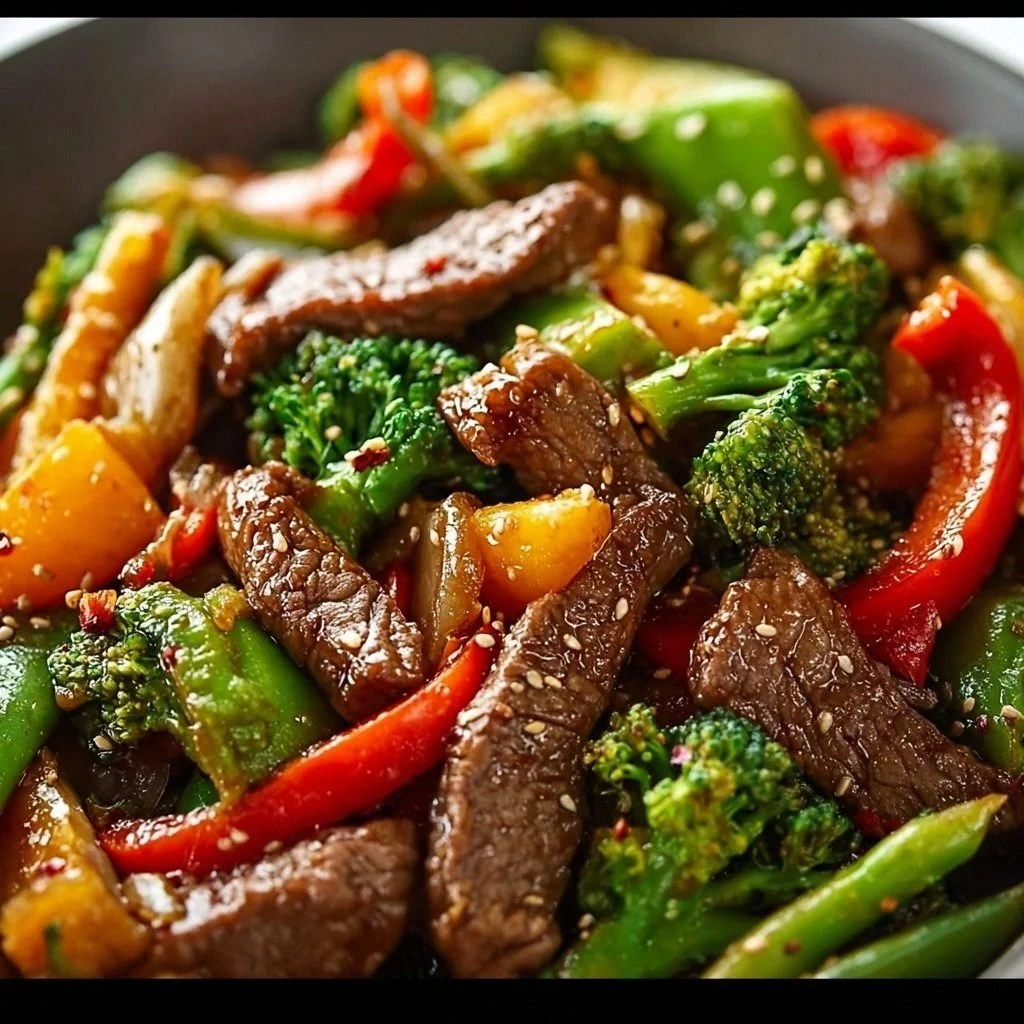
Picture this: a sizzling wok, the aroma of caramelized onions dancing in the air, and a rainbow of bell peppers that crackle like tiny fireworks. The sound is unmistakable—each slice of pepper pops with a crisp, almost audible snap that signals the pan is hot enough. The colors are a visual feast: deep crimson, sunshine yellow, emerald green, all juxtaposed against a glossy sheen of broccoli and carrots. It’s the kind of kitchen symphony that makes you forget you’re even cooking.
What sets this recipe apart isn’t just the combination of flavors; it’s the technique that locks in moisture while delivering that coveted char. I’ve spent months refining the timing—when to sear the beef, when to toss in the veggies, and when to drizzle that silky sesame oil to finish. The result is a dish where every bite is a balanced duet of savory beef, sweet crunch, and nutty undertones. Trust me, this is hands down the best version you'll ever make at home.
If you’ve ever struggled with the “too wet” stir‑fry, you’re not alone. The secret lies in the order of operations and the heat control. I dare you to taste this and not go back for seconds. The sauce coats the beef like velvet, the peppers stay crisp, and the broccoli stays bright green, not mushy. It’s a triumph of flavor that you can recreate in any kitchen.
Picture yourself pulling this out of the pan, the whole kitchen smelling incredible, and watching the steam rise like a fragrant cloud. The dish is served over a bed of steaming rice or noodles, and the first bite feels like a celebration. I’m about to walk you through every single step, from the first chop to the final sprinkle of sesame seeds. By the end, you’ll wonder how you ever made it any other way.
What Makes This Version Stand Out
Flavor: The combination of soy sauce and sesame oil creates a deep umami base that elevates the beef without overpowering it. The subtle sweetness of bell peppers and carrots balances the savory notes, resulting in a harmonious profile that satisfies every palate.
Texture: The beef is sliced thinly against the grain, ensuring tenderness even after a quick sear. The veggies retain a satisfying crunch, while the sauce glides over the surface like a silky coat.
Speed: In under 30 minutes, you’ll have a full‑meal ready to serve. The recipe is designed for the modern kitchen, where time is scarce but flavor is king.
Versatility: Swap out the beef for chicken or tofu, and you have a completely new dish. The base sauce works with any protein, making this a go‑to recipe for busy weeknights.
Nutrition: Packed with protein, fiber, and essential vitamins from the veggies, this stir‑fry is both satisfying and healthy. It’s a great way to get your daily dose of greens without the hassle.
Presentation: The vibrant colors of the bell peppers, broccoli, and carrots create an eye‑catching plate that feels almost too pretty to eat. The final drizzle of sesame oil adds a glossy finish that makes the dish Instagram‑ready.
Make‑Ahead Potential: Store leftovers in the fridge, and the flavors only deepen. Reheat gently with a splash of water, and the dish regains its original brightness.
Alright, let's break down exactly what goes into this masterpiece...
Inside the Ingredient List
The Flavor Base
Soy sauce is the backbone of this stir‑fry, providing a salty, umami punch that binds all the flavors together. If you prefer a low‑sodium version, simply reduce the quantity by one‑third and add a splash of rice vinegar for acidity. Skipping soy sauce would leave the dish flat; it’s the difference between a bland stir‑fry and a flavor explosion.
Sesame oil is the aromatic secret that turns a simple sauce into a fragrant masterpiece. Its nutty aroma lingers long after the dish is plated, giving each bite a subtle depth. If you’re sensitive to sesame, a dash of toasted almond oil can mimic the flavor without the allergen.
The Texture Crew
Bell peppers bring a crisp snap and a natural sweetness that cuts through the richness of the beef. Slice them into thin, uniform strips so they cook evenly and maintain their bright colors. If you’re short on time, pre‑sliced packs are a lifesaver, but fresh is always superior.
Broccoli florets add a hearty bite and a burst of green that balances the dish visually and nutritionally. They’re packed with vitamin C, fiber, and antioxidants. If you’re looking for a lighter alternative, try snow peas or bok choy; they’ll still provide that satisfying crunch.
Carrots, julienned to match the pepper strips, contribute a subtle sweetness and a pop of orange. Their texture holds up well against the heat, giving the dish a delightful contrast. For an extra kick, add a pinch of crushed red pepper flakes.
The Unexpected Star
Green onions are the finishing touch that lifts the entire dish with their fresh, sharp bite. Chop them finely so they’re evenly distributed and add them at the end to preserve their bright green color. If you’re allergic to onions, fresh cilantro or basil can replace green onions while still providing a fresh herbal note.
Sesame seeds add a subtle crunch and a nutty flavor that complements the sesame oil. Toast them lightly in a dry pan until golden before sprinkling; this enhances their aroma and brings out a deeper flavor. A tablespoon is enough to tie the dish together without overpowering the other ingredients.
The Final Flourish
A splash of water or broth at the end helps the sauce coat the vegetables evenly, preventing any dry spots. This simple trick ensures every bite is moist and flavorful. If you prefer a thicker sauce, whisk in a teaspoon of cornstarch dissolved in a tablespoon of water during the last minute of cooking.
Everything's prepped? Good. Let's get into the real action...
The Method — Step by Step
- Step 1: Prep the Beef. Slice the beef sirloin or flank steak into thin strips, about 1/4 inch thick, against the grain. This ensures maximum tenderness. Let the slices rest at room temperature for 5 minutes; this helps them cook evenly. If you’re short on time, you can skip the rest step, but the flavor will be slightly less pronounced.
- Step 2: Marinate. In a bowl, combine the soy sauce, sesame oil, and a splash of rice vinegar if you like a bit of acidity. Toss the beef strips in the mixture until they’re evenly coated. Let them marinate for 10 minutes while you prepare the veggies. The longer you marinate, the more the beef absorbs the umami flavors.
- Step 3: Heat the Wok. Place a large wok or skillet over high heat and let it get scorching hot. Add a splash of vegetable oil; it should shimmer instantly. A hot pan is essential for that coveted sear on the beef. Watch the oil—if it starts to smoke, reduce the heat slightly to avoid burning.
- Step 4: Sear the Beef. Toss the marinated beef into the hot pan in a single layer. Don’t overcrowd; otherwise, the beef will steam instead of sear. Let it cook undisturbed for 1–2 minutes until a golden crust forms. Flip once and sear the other side for another minute. The goal is a caramelized exterior with a pink interior.
- Step 5: Remove and Set Aside. Transfer the seared beef to a plate and cover loosely with foil to keep it warm. This step prevents the meat from overcooking when you add the veggies. Keep the heat on medium‑high for the next step.
- Step 6: Stir‑Fry the Veggies. Add the bell pepper strips to the pan first. Sauté for 2 minutes, then add the broccoli florets and carrot julienne. Continue stir‑frying for another 3–4 minutes until the vegetables are bright and slightly tender but still crisp. The quick cook preserves their vibrant colors.
- Step 7: Combine Beef and Veggies. Return the beef to the pan with the vegetables. Stir everything together, letting the sauce from the pan coat the ingredients. Cook for an additional 2 minutes, ensuring the beef is heated through and the vegetables are coated in the glossy sauce.
- Step 8: Finish with Greens. Sprinkle the chopped green onions and toasted sesame seeds over the stir‑fry. Toss quickly to distribute the flavors. The fresh onion adds a bright note that cuts through the richness, while the sesame seeds give a subtle crunch.
- Step 9: Plate and Serve. Serve the stir‑fry hot over steamed rice, noodles, or a simple bed of quinoa. The sauce will cling to the grains, creating a cohesive dish. Garnish with extra sesame seeds if desired.
- Step 10: Clean Up. While the dish is still warm, wipe down the wok and wash the utensils. A quick cleanup keeps the kitchen tidy and ready for the next culinary adventure.
That's it — you did it. But hold on, I've got a few more tricks that'll take this to another level...
Insider Tricks for Flawless Results
The Temperature Rule Nobody Follows
Many cooks think medium heat is enough, but the key to a perfect stir‑fry is high heat. The pan must be hot enough that the beef sears instantly, creating a caramelized crust while the inside stays juicy. If the pan isn’t hot enough, the beef will release moisture and steam, resulting in a soggy texture. Aim for a temperature that makes the oil ripple immediately upon contact.
Why Your Nose Knows Best
The aroma of a stir‑fry is a reliable indicator of doneness. When the soy sauce starts to caramelize and the sesame oil gives off a nutty scent, you’re at the sweet spot. Trust your nose; it will guide you to the perfect balance of savory and sweet.
The 5‑Minute Rest That Changes Everything
After searing the beef, let it rest for 5 minutes before adding it back to the pan. This brief pause allows the juices to redistribute, ensuring the meat remains moist. Skipping this step can leave the beef dry and chewy.
Keep the Pan Dry
If you add too many vegetables at once, the pan can become crowded, causing the ingredients to steam instead of fry. Work in batches if necessary, and keep the pan as dry as possible to maintain the sizzling sound that signals a successful stir‑fry.
Finish with Freshness
Adding green onions or fresh herbs at the very end preserves their bright flavor and color. If you add them too early, they’ll wilt and lose their crunch. A quick splash of citrus juice, like lime, at the end can also brighten the dish.
Creative Twists and Variations
This recipe is a playground. Here are some of my favorite ways to switch things up:
Spicy Szechuan Delight
Add a tablespoon of Szechuan peppercorns and a dash of chili oil to the sauce. The numbing heat pairs beautifully with the sweet bell peppers, creating a flavor profile that’s both bold and balanced. Serve over rice for a fiery kick.
Citrus‑Infused Zing
Replace half of the soy sauce with freshly squeezed orange juice and add a pinch of orange zest. The citrus notes cut through the richness of the beef, giving the dish a bright, refreshing finish. A handful of toasted cashews adds an extra crunch.
Mediterranean Twist
Swap the soy sauce for a splash of balsamic vinegar and add a handful of chopped sun‑dried tomatoes. The acidity of the balsamic balances the sweetness of the veggies, while the sun‑dried tomatoes introduce a chewy texture. Finish with fresh basil for an aromatic finish.
Low‑Carb Version
Serve the stir‑fry over cauliflower rice instead of regular rice. This keeps the dish low in carbs while still providing a satisfying base. The cauliflower absorbs the sauce beautifully, adding a subtle nuttiness.
Vegan Adaptation
Use tofu or tempeh in place of beef, and replace sesame oil with coconut oil for a tropical twist. Marinate the tofu in soy sauce and a splash of maple syrup for sweetness. This version is protein‑rich and entirely plant‑based.
Gourmet Mushroom Variant
Add sliced shiitake mushrooms to the pan during step 6. Their earthy flavor complements the beef and veggies, creating a more complex taste profile. A drizzle of truffle oil at the end elevates the dish to restaurant quality.
Storing and Bringing It Back to Life
Fridge Storage
Store leftovers in an airtight container in the refrigerator for up to 3 days. The flavors meld, making the dish even more delicious the next day. When reheating, add a splash of water to prevent drying.
Freezer Friendly
Pack the stir‑fry in freezer‑safe containers and freeze for up to 2 months. Thaw overnight in the fridge before reheating. A quick stir in a hot pan with a splash of water will revive the sauce.
Best Reheating Method
Reheat the dish in a skillet over medium heat, stirring frequently. Add a teaspoon of water or broth to loosen the sauce. Heat until the dish is steaming hot and the sauce is glossy again.