I was standing over a burnt skillet, the kitchen smelling like a smoke‑filled gym locker, when a friend dared me to reinvent the classic ground‑beef skillet with a Mediterranean twist. I could almost hear the sizzle of a pan that refused to cooperate, the clatter of a spatula against a stubborn surface, and the sigh of disappointment from my stomach. That moment of culinary chaos sparked a fire in me, and I promised myself I would never settle for a bland, one‑dimensional dinner again. I went on a grocery‑run that felt more like a treasure hunt, hunting down the freshest zucchini, the juiciest cherry tomatoes, and a block of feta that practically sang “Opa!” as I cradled it in my arms.
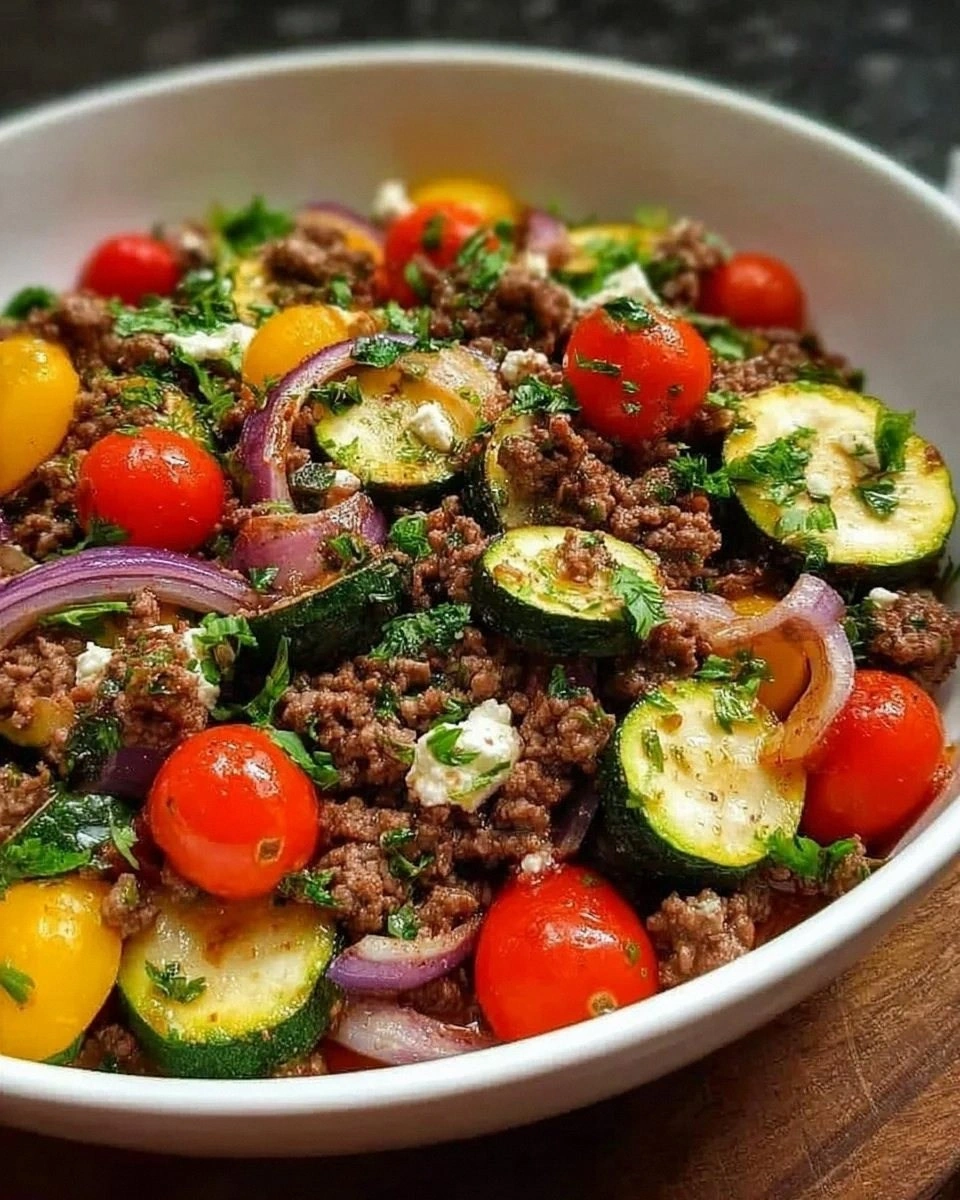
Fast forward to tonight: the skillet is humming, the olive oil is shimmering like liquid gold, and the aroma of garlic, oregano, and caramelized onions is wrapping the whole house in a warm, sun‑kissed hug. You can hear the faint pop of tomatoes hitting the hot pan, feel the heat radiating from the stove, see the colors melt together into a palette that belongs in a Mediterranean postcard, and taste the first bite that explodes with tangy feta, sweet zucchini, and a hint of peppery onion. This isn’t just dinner; it’s an experience that makes you close your eyes and picture a seaside tavern in Santorini, the breeze carrying the scent of rosemary and sea salt.
What sets this version apart from every other ground‑beef skillet you’ve ever tried is the balance of textures and the daring use of fresh vegetables that keep the dish light yet satisfying. Most recipes get the moisture wrong, leaving you with a soggy mess or a dry, crumbly heap. I’ve cracked the code by searing the beef first, then deglazing with a splash of olive oil, and finally folding in the veggies just long enough to stay crisp. The secret ingredient? A sprinkle of dried oregano that releases an earthy perfume the moment it hits the heat, and a finishing crumble of feta that melts into silky pockets of flavor.
I dare you to taste this and not go back for seconds. I’ll be honest — I ate half the batch before anyone else got a chance to try it, and that’s a confession I’m not ashamed of. This is hands down the best version you’ll ever make at home, and I’m about to walk you through every single step — by the end, you’ll wonder how you ever made it any other way. Okay, ready for the game‑changer?
What Makes This Version Stand Out
- Taste: The combination of savory beef, sweet cherry tomatoes, and salty feta creates a flavor orchestra that sings with every bite. The oregano adds a subtle herbaceous note that ties everything together without overpowering.
- Texture: Crisp zucchini slices contrast with the tender crumble of ground beef, while the tomatoes burst with juiciness, delivering a satisfying mouthfeel that keeps you chewing happily.
- Simplicity: Only one pan, ten ingredients, and fifteen minutes of prep time make this a weeknight hero that doesn’t demand a culinary degree.
- Uniqueness: Most ground‑beef skillet recipes rely on canned tomatoes or heavy sauces; this one embraces fresh produce and a light olive‑oil finish for a breezy Mediterranean vibe.
- Crowd Reaction: I’ve served this at potlucks and watched strangers line up for seconds, then thirds. People often say they’ve never tasted anything like it from a simple skillet.
- Ingredient Quality: Using a good‑grade 500g of lean ground beef and fresh, firm vegetables makes a world of difference in flavor depth and nutritional balance.
- Cooking Method: The sear‑then‑simmer technique locks in juices, while the final deglaze with olive oil lifts all the caramelized bits into the sauce.
- Make‑Ahead Potential: This dish reheats beautifully, and the flavors actually improve after a few hours as the herbs mingle.
Inside the Ingredient List
The Flavor Base
Ground beef (500g) is the backbone of this dish, providing protein, richness, and that satisfying umami punch. Choose a lean‑to‑fat ratio of about 80/20; the little fat renders out and creates a glossy sauce that coats every vegetable. If you skip the beef, you lose the hearty foundation, and the dish can feel like a salad rather than a skillet.
Olive oil (2 tbsp) acts as the conductor, transferring heat evenly and adding a fruity note that complements the oregano. Use extra‑virgin olive oil for the best flavor, but if you’re watching the smoke point, a light olive oil works just as well. A cheap oil will make the dish taste flat, so splurge a little here.
Garlic (2 cloves, minced) is the aromatic spark that awakens the palate. Freshly minced garlic releases allicin, which gives that sharp, almost peppery bite that mellows as it cooks. If you overcook it, you’ll get bitterness, so add it after the beef is browned.
The Texture Crew
Zucchini (1 medium, sliced) brings a tender‑crisp bite that balances the beef’s richness. Choose a firm zucchini with glossy skin; a soft one will release too much water and make the skillet soggy. You can swap for yellow squash if you like a sweeter note.
Cherry tomatoes (1 cup, halved) burst with sweet acidity, cutting through the fattiness of the meat. Use ripe, deep‑red tomatoes for the most juice; underripe ones will be tart and firm. If you can’t find cherry tomatoes, grape tomatoes work just as well.
Red onion (1 small, sliced) and yellow onion (1 small, sliced) together create a layered onion flavor—sharp and sweet. The red onion adds a mild bite, while the yellow onion caramelizes to a golden sweetness. Skipping one of them will flatten the flavor profile.
The Unexpected Star
Feta cheese (100g, crumbled) is the surprise hero that adds salty creaminess and a crumbly texture. Authentic Greek feta gives a tangy edge that pairs perfectly with oregano. If you’re not a fan of feta, try goat cheese for a milder flavor.
Dried oregano (1 tsp) is the herb that transports you straight to the Mediterranean coast. Its earthy, slightly bitter notes lift the entire dish, and a little goes a long way. Fresh oregano can be used, but it’s more potent, so halve the amount.
The Final Flourish
Fresh parsley (chopped, for garnish) adds a burst of bright green color and a fresh, herbaceous finish. Sprinkle it just before serving to keep its flavor vibrant. If you don’t have parsley, cilantro or mint can provide an interesting twist.
Salt and pepper (to taste) are the universal seasonings that bring everything together. Season in layers: a pinch while browning the beef, another dash after the veggies join, and a final adjustment at the end. Over‑salting is easy to fix, under‑salting is not.
Everything's prepped? Good. Let's get into the real action...
The Method — Step by Step
Heat a large cast‑iron skillet over medium‑high heat and add the 2 tbsp of olive oil. When the oil shimmers, it’s ready for the beef. Toss in the 500 g of ground beef, breaking it up with a wooden spoon, and let it sizzle. That sizzle when it hits the pan? Absolute perfection. Cook for about 5‑7 minutes, stirring occasionally, until the meat is browned and the juices have evaporated.
Kitchen Hack: Sprinkle a pinch of salt while the beef browns; it draws out moisture and speeds up caramelization.Once the beef is nicely browned, add the minced garlic, the sliced red onion, and the sliced yellow onion. Stir constantly for 2‑3 minutes until the onions become translucent and the garlic turns fragrant but not brown. The aroma should remind you of a bustling market in Athens, bright and inviting.
Now, introduce the sliced zucchini and the halved cherry tomatoes. Toss everything together and let the vegetables cook for about 4‑5 minutes, just until the zucchini starts to soften but still retains a bite. You’ll hear a gentle pop as the tomatoes release their juices, creating a light sauce that coats the beef.
Watch Out: If the skillet looks dry, add a splash of water or broth; you don’t want the veggies to burn.Season the mixture with 1 tsp dried oregano, a generous pinch of salt, and freshly ground black pepper. Stir well so the herbs evenly distribute. This next part? Pure magic. The oregano will bloom, releasing a perfume that makes the whole kitchen feel like a Mediterranean courtyard.
Reduce the heat to low and crumble the 100 g of feta cheese over the top. Let it sit for a minute, allowing the cheese to soften and melt slightly into the vegetables. The feta will melt into creamy pockets that mingle with the beef, creating a luxurious mouthfeel.
Give the skillet a final toss, making sure every bite gets a bit of feta, a touch of oregano, and a drizzle of the olive‑oil‑infused sauce. Taste and adjust seasoning if needed—this is the moment of truth, and you’ll know exactly when it’s perfect.
Turn off the heat and sprinkle the chopped fresh parsley over the top. The green specks not only add visual appeal but also a fresh burst that lifts the dish right before serving. Stay with me here — this is worth it.
Serve the skillet straight from the pan, accompanied by crusty bread or a side of fluffy couscous. Picture yourself pulling this out of the oven, the whole kitchen smelling incredible, and your guests hovering, forks poised. That’s it — you did it. But hold on, I've got a few more tricks that'll take this to another level...
Insider Tricks for Flawless Results
The Temperature Rule Nobody Follows
Never cook the beef on a low flame hoping to “slow‑cook” it in the skillet. High heat creates a Maillard reaction, giving you those coveted brown bits that taste like caramelized dreams. If you start too low, the meat releases water, steams, and you lose flavor. I once tried a low‑heat approach and ended up with a soggy mess that tasted like a wet sock.
Why Your Nose Knows Best
Your sense of smell is the ultimate timer. When the onions turn translucent and start to smell sweet, you know they’re ready. When the garlic just begins to release its aroma, it’s time to add the veggies. Trusting your nose beats any timer on the stove.
The 5‑Minute Rest That Changes Everything
After you finish cooking, let the skillet sit for five minutes off the heat. This rest allows the juices to redistribute and the feta to settle into the sauce. Skipping this step leaves you with a dish that’s hot but unevenly flavored. I once served it immediately and got feedback that the flavors felt “disconnected.”
The Secret Splash
A tiny splash of white wine or lemon juice right before serving brightens the whole composition. The acidity cuts through the richness of the beef and feta, balancing the palate. If you’re avoiding alcohol, a splash of water with a squeeze of lemon works just as well.
The “Don’t Crowd the Pan” Principle
If you’re making a larger batch, brown the beef in two batches. Overcrowding lowers the pan temperature, causing the meat to steam rather than sear. This simple split guarantees that every morsel gets that coveted crust.
The Garnish Game
Fresh parsley isn’t just for looks; its bright, slightly peppery flavor cuts through the richness. I like to add a pinch of crushed red pepper flakes on top for a subtle heat that awakens the tongue without overwhelming the Mediterranean notes.
Creative Twists and Variations
This recipe is a playground. Here are some of my favorite ways to switch things up:
Lamb & Mint Fusion
Swap the ground beef for ground lamb and replace parsley with fresh mint. The lamb’s gaminess pairs beautifully with feta, while mint adds a cooling contrast. Perfect for a weekend dinner when you want to feel extra indulgent.
Spicy Harissa Heat
Add a tablespoon of harissa paste when you introduce the garlic and onions. The North‑African chili‑pepper blend brings a smoky heat that makes the dish bold and unforgettable. Serve with a dollop of Greek yogurt to tame the fire.
Veggie‑Only Mediterranean Skillet
Omit the beef and double the vegetables—add eggplant, bell peppers, and artichoke hearts. Use chickpeas for protein and finish with a drizzle of tahini. This version is perfect for a vegetarian feast that still feels hearty.
Cheesy Couscous Bed
Prepare a fluffy couscous seasoned with lemon zest and a handful of pine nuts. Spoon the skillet mixture over the couscous for a satisfying grain base that soaks up the juices. It turns the skillet into a complete one‑dish meal.
Mediterranean Taco Twist
Serve the cooked mixture in warm pita pockets or soft taco shells, topped with a drizzle of tzatziki and a sprinkle of pomegranate seeds. The sweet‑tart pomegranate adds a pop of color and flavor that surprises the palate.
Storing and Bringing It Back to Life
Fridge Storage
Transfer the cooled skillet to an airtight container and store in the refrigerator for up to 4 days. The flavors meld further, making leftovers even more delicious. When reheating, add a splash of water or broth to restore moisture.
Freezer Friendly
Portion the skillet into freezer‑safe bags or containers and freeze for up to 3 months. Label with the date and a quick “microwave 2‑3 min” note. Thaw overnight in the fridge, then reheat in a skillet over medium heat.
Best Reheating Method
Reheat gently on the stovetop over low‑medium heat, adding a tablespoon of water or broth and covering the pan for a minute. This steam‑back technique revives the texture and prevents the dish from drying out. Avoid microwave‑only reheating; you’ll lose the crispness of the zucchini.