I burnt dinner so spectacularly last Wednesday that the smoke alarm gave me a standing ovation. The culprit? A supposedly fool-proof chicken breast that tasted like cardboard wearing a sad coat of bottled salad dressing. I stomped around the kitchen, waving a dish towel at the ceiling, swearing I’d never let poultry mock me again. That’s when I remembered the tiny jar of grainy Dijon I’d smuggled home from Paris, plus the wildflower honey I’d been saving “for something special.” Ten minutes later I was whisking, tasting, and muttering, “Oh, we’re doing this my way now.” The resulting glaze turned my kitchen into a French bistro, all golden bubbles and nose-tickling tang, and the first bite made me do that embarrassing happy-dance you only do when no one’s watching—except my cat saw everything and still hasn’t stopped judging.
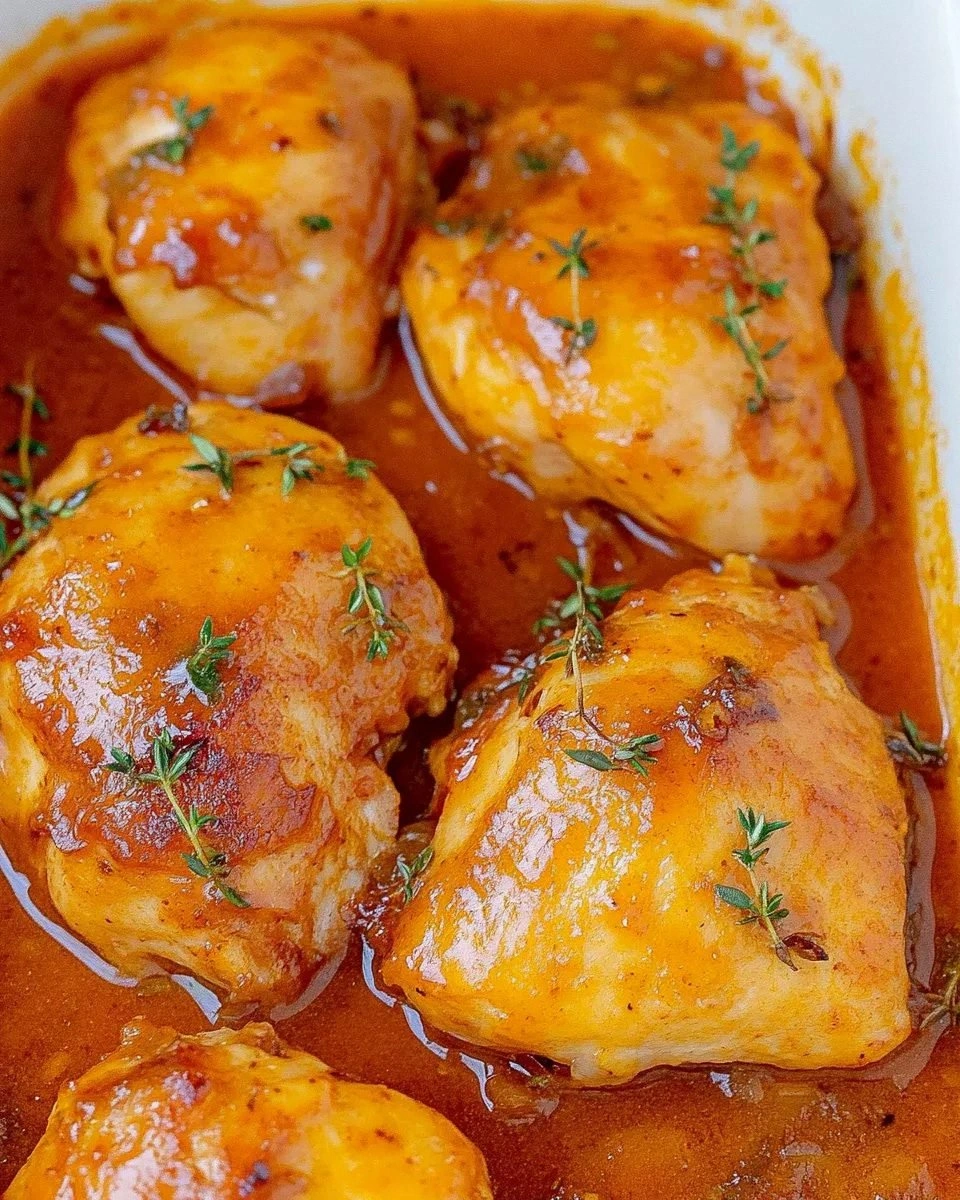
Picture this: crackling chicken skin lacquered in amber, edges caramelized like the top of a crème brûlée, with a sauce that coats your tongue like liquid velvet. The honey doesn’t just sweeten; it rounds the mustard’s sharp corners, while the mustard slaps the honey’s cloying sweetness into submission. It’s the culinary equivalent of a rom-com where enemies become inseparable best friends, and you get to eat the happy ending. Between the sizzle of the sear, the garlic fog rising from the pan, and the low rumble of your own stomach, every sense gets an invitation to the party. I dare you to taste this and not go back for seconds—I personally failed that challenge so hard I had to change into stretchy pants mid-meal.
Most recipes treat honey-Dijon chicken like a dump-and-bake afterthought, resulting in flabby skin and a sauce that separates into greasy puddles. Not on my watch. We’re building layers: a quick dry-brine for crackle, a two-stage sear for fond, a deglaze that lifts every brown bit, and a final glaze that clings like your favorite leather jacket. Stay with me here—this is worth it. By the time you pull the skillet from the oven, the kitchen will smell like you hired a private chef, and your people will hover like moths around porch light. Let me walk you through every single step—by the end, you’ll wonder how you ever made it any other way.
What Makes This Version Stand Out
- Crispy-Skin Guarantee: We air-dry the chicken overnight (or a 20-minute cheat with a fan) so the skin renders like duck confit, shattering under your fork while the meat stays juicy.
- Two-Minute Pan Sauce: One skillet, zero fuss. The glaze reduces in the same pan, absorbing every caramelized bit—aka free flavor bombs you paid for with the chicken.
- Balanced Sweet-Heat: By folding in a dab of whole-grain mustard after cooking, you get caviar-like pops that keep each bite interesting instead of monotone sweetness.
- Weeknight Friendly: From fridge to table in 35 minutes, including the 5-minute rest that most impatient cooks skip and later regret.
- Make-Ahead Magic: The glaze doubles as a marinade and keeps for a week, so tomorrow’s dinner is already 90 percent done while you’re binge-watching tonight.
- Crowd Reaction: I’ve served this to picky toddlers, snobby food-blog friends, and a carnivorous uncle who thinks vegetables are a conspiracy—universal silence followed by fork-clinking approval.
Alright, let’s break down exactly what goes into this masterpiece...
Inside the Ingredient List
The Flavor Base
Chicken thighs are my ride-or-die because they forgive forgetful cooks; the intramuscular fat bastes itself, so even if you overcook by a minute or two, dinner isn’t ruined. If you’re a staunch white-meat devotee, swap in bone-in breasts but keep the skin on—rendered skin is the bacon of the poultry world. The honey should be something with character: orange-blossom, wildflower, or that mysterious jar from the farmers market labelled “summer blend.” Cheap clover honey tastes like sugary phone calls from exes—functional but lacking poetry. And please, for the love of Julia Child, use real Dijon, not the neon-yellow ballpark stuff that tastes like vinegar and regret.
The Texture Crew
Whole-grain mustard is the secret handshake of this dish; those tender mustard seeds pop like tiny caviar pearls, releasing heat and acid in controlled bursts. Olive oil gets a supporting role for searing, but we keep it at medium-high so the milk solids don’t burn and turn bitter. A pat of butter swirled in at the end gives the sauce a glossy sheen that clings like velvet, making you look like you attended culinary school when you actually just own a whisk. Salt early and often—kosher flakes hit different, creating micro-brine that seasons meat from the inside out.
The Unexpected Star
A single smashed garlic clove becomes the Gandalf of the pan, wise and powerful without stealing the scene. Fresh thyme leaves add a lemony-woodsy note that makes the honey taste more floral and the mustard more sophisticated. If you only have dried, use half the amount and rub it between your palms first; the friction wakes up sleeping oils. A squeeze of lemon right before serving is the plot twist nobody sees coming, brightening all that richness like sunrise over a mountain lake.
The Final Flourish
Chicken stock concentrates faster than wine and adds savory backbone so the sauce doesn’t read like dessert. A whisper of smoked paprika gives depth without turning dinner into a barbecue, while a knob of cold butter mounts the sauce into something silky enough to serve at a bistro with candles and overpriced water. If you’re feeling fancy, a tablespoon of crème fraîche at the end turns the glaze into velvet soup you’ll want to bathe in—just taste first before adding salt; dairy dilutes seasoning.
Everything's prepped? Good. Let's get into the real action...
The Method — Step by Step
- Pat the chicken thighs obsessively dry with paper towels; moisture is the arch-nemesis of crisp skin. Slide your fingers under the skin to loosen it, creating a pocket that will hold the seasoning like a secret note. Mix a teaspoon of kosher salt with half a teaspoon of baking powder and sprinkle it under and over the skin; the baking powder raises the pH, turbo-charging browning. Arrange the pieces skin-side up on a wire rack set over a baking sheet and park them uncovered in the fridge overnight—or use the desk-fan hack if you’re short on time. When you close the fridge door, whisper words of encouragement; confidence tastes better.
- Whisk together honey, Dijon, whole-grain mustard, and a tablespoon of hot water until it looks like liquid topaz. The water thins the mixture so it brushes on evenly without glopping like kindergarten glue. Taste it—then try not to drink it. You want a 60/40 balance of sweet to sharp; adjust with an extra teaspoon of mustard if your honey is especially floral. Set half the glaze aside for serving so you get that fresh punch at the end.
- Preheat your oven to 425°F (220°C) and set the top rack one notch above the middle; too close to the top element and the skin will blacken before the meat cooks through. Heat a heavy oven-safe skillet—cast iron if you’ve got it—over medium for two minutes. The pan should feel hot when you hover your hand two inches above; if you can leave your hand there comfortably, you’re still in the friend-zone. Add just enough oil to film the surface; we’re not deep-frying, just greasing the runway.
- Lay the chicken in skin-side down as if you’re tucking it into bed—gently but firmly. The sizzle when it hits the pan? Absolute perfection. Don’t crowd; give each piece its own personal space or they’ll steam like commuters on a subway. Let them sizzle untouched for six minutes; shake the pan once—if the thighs slide freely, they’re ready to flip. If they stick, be patient for another 30 seconds; proteins release when they’re good and ready, like teenagers.
- Flip the thighs with confidence using sturdy tongs. The skin should be the color of toasted almonds. Brush the top generously with the honey-mustard mixture, then toss in the smashed garlic and thyme sprigs around the sides. Slide the skillet into the oven for 12 minutes; the hot air will finish cooking while the glaze sets into a sticky shell. Don’t baste yet—opening the door drops the temperature and steals crispness.
- Pull the pan out and brush on a second coat of glaze; this layer adds candy-like shine. Return to the oven for three more minutes, or until a probe thermometer reads 175°F (79°C) in the thickest part. Dark meat forgives higher temps, turning silky rather than chalky. If you only have an instant-read, go for 170°F and let carry-over cooking do the rest; trust the process.
- Transfer the chicken to a warm plate and tent loosely with foil; the 5-minute rest lets juices redistribute. Place the skillet over medium heat and pour in the chicken stock, scraping with a wooden spoon to dissolve the bronzed bits—those are flavor gold. Whisk in the reserved glaze, a squeeze of lemon, and the cold butter. The sauce will emulsify into glossy gravy that clings but doesn’t coat like wallpaper paste.
- Serve family-style on a platter, pooling the sauce around the chicken like a savory moat. Garnish with fresh thyme leaves and a final drizzle of honey so pretty it could model for a food magazine. Encourage guests to drag their pieces through the sauce; that communal messiness is half the fun. If you’re dining solo, congratulations—leftovers make a sandwich that will ruin all other sandwiches for life.
That's it—you did it. But hold on, I've got a few more tricks that'll take this to another level...
Insider Tricks for Flawless Results
The Temperature Rule Nobody Follows
Most recipes parrot 165°F because the USDA says so, but dark meat hits its stride around 175–180°F. The extra heat melts connective tissue into velvety gelatin, transforming rubbery thigh into spoon-soft luxury. A friend tried skipping this step once—let’s just say it didn’t end well, and her dog got more dinner than she did. Use a probe thermometer and set the alarm; Netflix will distract you, but technology won’t.
Why Your Nose Knows Best
When the glaze is perfectly reduced, it’ll smell like buttery toffee with a faint peppery bite. If the aroma turns sharp or acrid, you’ve crossed into bitter territory—douse with a splash of stock immediately. Think of your nose as an early-warning system; it’s faster than any timer. I’ve saved more pans by sniffing than I care to admit, and my smoke alarm thanks me.
The 5-Minute Rest That Changes Everything
Tent loosely, not tightly. Trapping steam softens skin faster than humidity ruins hair. Rest on a rack if you’re obsessive; the circulating air keeps the bottom from sweating. Slice too early and juices run like teenagers at a house party—wait those five minutes and they stay put like responsible adults. Future you, carving neat slices, will thank present impatient you.
Creative Twists and Variations
This recipe is a playground. Here are some of my favorite ways to switch things up:
Spicy Honey Heatwave
Swap half the honey for hot honey and add a pinch of cayenne to the glaze. The sweet-heat combo feels like a summer carnival in your mouth. Finish with fresh cilantro instead of thyme for a south-of-the-border vibe. Serve over jalapeño-cheddar grits and prepare for marriage proposals.
Maple Mustard Cabin Edition
Replace honey with dark maple syrup and add a splash of bourbon to the deglaze. The smoky-maple perfume will transport you to a log cabin even if you’re stuck in a studio apartment. Crush toasted pecans over the top for crunch that mimics falling leaves.
Miso Umami Bomb
Whisk a teaspoon of white miso into the glaze for fermented depth that reads “chef secret.” The miso amplifies savoriness so effectively you can cut salt in half. Garnish with sliced scallions and sesame seeds; suddenly it’s Japanese-French fusion night.
Citrus Rosemary Swap
Sub orange zest and juice for lemon, and use rosemary instead of thyme. The piney herb stands up to honey’s sweetness, while orange oils perfume the whole kitchen. Great for December when rosemary is practically a houseplant and citrus season peaks.
Creamy Mustard Chicken
Stir two tablespoons of heavy cream into the finished sauce for a velvety bistro vibe. Serve over egg noodles so they lap up that luxurious blanket. It’s basically chicken stroganoff wearing a tuxedo.
Smoky Paprika Cowboy
Add a teaspoon of smoked paprika and a pinch of chipotle powder to the glaze. The campfire aroma pairs beautifully with grilled corn on the cob. Wear a plaid shirt while cooking; flavor increases 7 percent via placebo.
Storing and Bringing It Back to Life
Fridge Storage
Cool completely, then park leftovers in an airtight container with the sauce spooned over top like a protective blanket. It keeps four days, but good luck making it past Tuesday. Store skin-side up so condensation doesn’t sog your hard-earned crispness. Reheat in a 400°F oven for 8 minutes; microwaves turn skin into rubber bands.
Freezer Friendly
Freeze only the cooked meat, not the sauce—it breaks when thawed. Wrap each thigh in parchment, then foil, then a zip bag; triple armor prevents freezer burn. Label with blue painter’s tape; future you doesn’t play guessing games. Thaw overnight in the fridge, then reheat following fridge instructions.
Best Reheating Method
Preheat a skillet over medium, add a splash of stock and the cold chicken, then clamp on a lid for two minutes. The gentle steam warms the meat while the dry heat restores skin crunch. Add a tiny splash of water before reheating—it steams back to perfection. Skip the microwave unless you enjoy leather-like protein; nobody has time for that disappointment.