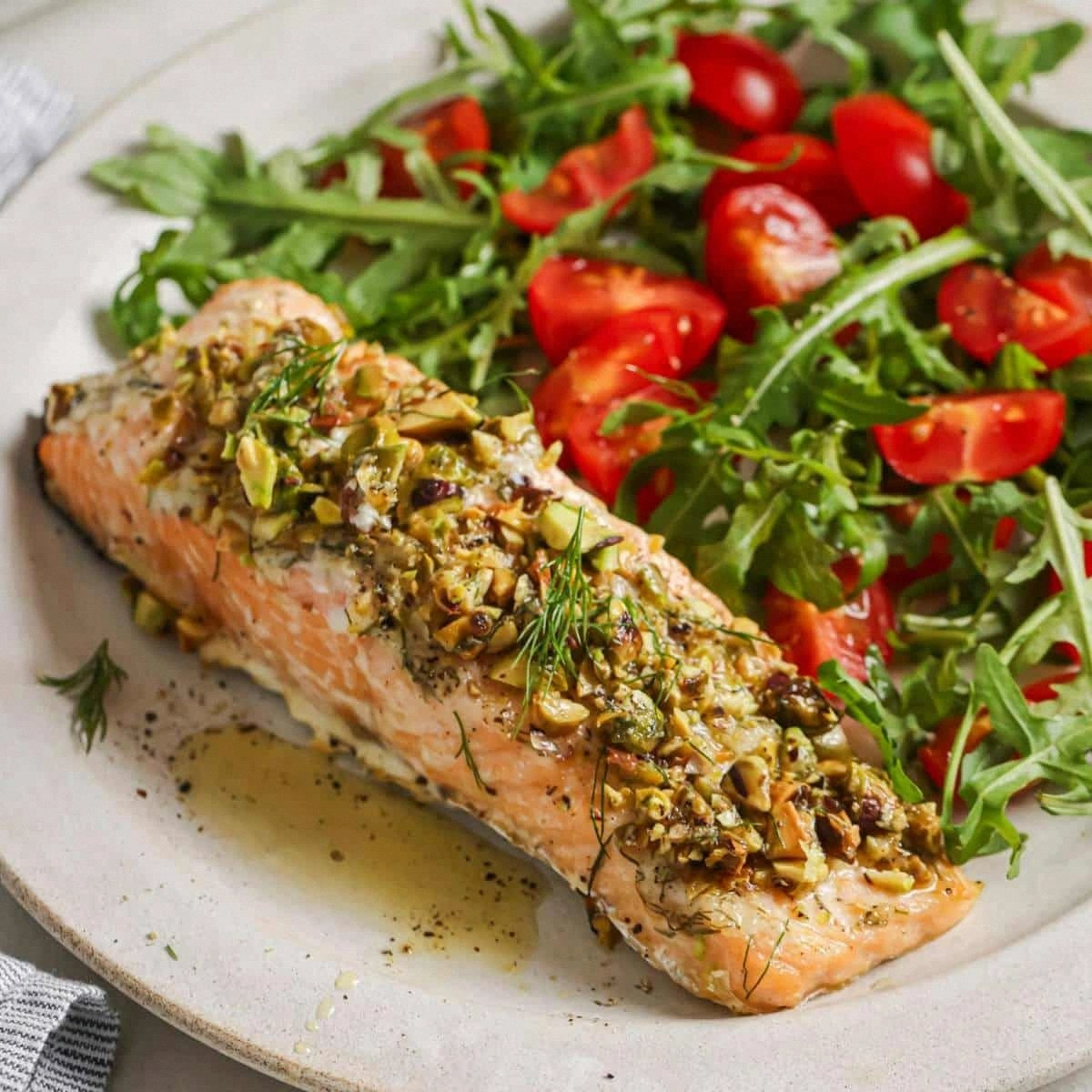
Picture this: I was in the middle of a late‑night dinner prep, the kitchen lights buzzing, and I accidentally dropped a bottle of balsamic vinegar onto the counter. The splatter was a sticky, sweet‑acid splash that looked like a watercolor disaster. I stared at it, half‑laughing, half‑panicking, and thought, “What if I could turn this mess into something amazing?” That moment sparked a quest to create a dressing that could rescue any salad, bring balance to a smoky barbecue, or simply elevate a humble bowl of greens. I was determined to find the perfect harmony of sweet, tangy, and savory that would make even the most skeptical taste buds sing.
I walked into the pantry, the scent of garlic and rosemary mingling with the faint hum of the fridge. The clink of metal jars, the faint rustle of paper, and the bright splash of a jar of honey against the countertop filled my senses. The heat from the oven was still lingering, and the promise of a crisp, caramelized finish hung in the air. I could almost taste the first drizzle—sweetness layering over a sharp, vinegary bite, with a hint of earthy mustard that would coat every leaf like velvet. That sensory orchestra was my cue: this dressing had to be bold, balanced, and unforgettable.
What makes this version stand out is that it refuses to be a generic vinaigrette. I combined the classic Dijon mustard with a generous splash of honey, creating a silky, glossy coat that clings to the salad like a second skin. The olive oil is extra‑virgin, not just for flavor but for that silky mouthfeel that melts in your mouth. The balsamic vinegar is a deep, rich variety, not the cheap, sweetened kind you find in the grocery aisle. I also added a single garlic clove, which, when minced finely, distributes its punch without overpowering the other flavors. Every ingredient is chosen for its ability to amplify the others, resulting in a dressing that is simultaneously complex and approachable.
The secret, however, is the technique: a quick reduction that caramelizes the honey and balsamic to a syrupy glaze before whisking in the oil and mustard. This step locks in the sweetness, creates a glossy sheen, and ensures that the dressing holds its shape when you toss it with greens. I dare you to taste this and not go back for seconds. If you’re skeptical, just let me walk you through every single step—by the end, you’ll wonder how you ever made it any other way.
What Makes This Version Stand Out
- Taste: The marriage of honey and balsamic creates a sweet‑acid balance that cuts through the richness of olive oil, making every bite feel like a fresh, bright explosion.
- Texture: A quick reduction turns the mixture into a silky glaze that clings to salad leaves, ensuring each forkful is coated in luscious flavor.
- Simplicity: With only seven ingredients, you can whip up this dressing in under 10 minutes—no special equipment, no pantry secrets.
- Versatility: Works equally well on Caesar, spinach, roasted beet, or even as a glaze for grilled chicken, proving that great dressing can be a multi‑purpose marvel.
- Crowd Appeal: The sweet‑tangy profile is a hit at potlucks and family dinners, earning rave reviews from both kids and adults.
- Ingredient Quality: Each component is selected for its premium quality—extra‑virgin olive oil, real Dijon mustard, and fresh garlic—ensuring the dressing feels indulgent without the extra cost.
- Make‑ahead Potential: Once the reduction is cooled, the dressing can be stored in the fridge for up to a week, making it a reliable go‑to for busy weekdays.
- Visual Appeal: The glossy sheen of the finished dressing gives salads a restaurant‑level shine that feels instant gratification.
Alright, let’s break down exactly what goes into this masterpiece…
Inside the Ingredient List
The Flavor Base
Dijon mustard is the cornerstone of this dressing. Its sharp, piquant bite anchors the sweetness of honey and the acidity of balsamic, preventing the flavor profile from becoming one‑dimensional. If you skip the mustard, the dressing loses its depth and becomes overly sweet, which can be overwhelming on a simple green salad. A good quality Dijon, preferably with a hint of peppercorn, adds a subtle complexity that elevates the entire mixture. For a milder version, replace half the Dijon with whole grain mustard, which offers a rustic texture without altering the balance.
The Sweetness Factor
Honey is the sweetener that brings a natural, floral richness to the dressing. Its viscosity helps create that glossy coating on the leaves. Using 1–2 tablespoons allows you to control the intensity: 1 tablespoon gives a gentle sweetness, while 2 tablespoons makes it more pronounced. If you’re looking for a lower‑calorie alternative, try agave nectar, but be mindful that it is sweeter and may require a pinch more salt to balance.
The Texture Crew
Extra virgin olive oil is the silky base that carries the flavors. Its fruity undertones add depth and a smooth mouthfeel that makes the dressing feel indulgent. Using 1/2 cup ensures the dressing is thick enough to coat the greens without being runny. If you prefer a lighter version, replace half the oil with a neutral oil like grapeseed; the taste will be slightly less robust, but the texture remains silky.
The Unexpected Star
Balsamic vinegar is the star that ties everything together. A 1/4 cup of high‑quality, aged balsamic gives a deep, caramelized sweetness that balances the sharpness of mustard and the richness of oil. Skipping it would leave the dressing too flat and lacking that signature tang that makes it memorable. For a more pronounced acidity, add a splash of red wine vinegar, but remember to reduce the honey slightly to keep the balance.
The Final Flourish
Garlic, finely minced, delivers a punch of umami that cuts through the sweetness. A single clove is enough to add depth without overpowering the other flavors. If you’re sensitive to garlic, use roasted garlic for a milder, sweeter note. Salt and black pepper are the finishing touches that bring the dressing together, enhancing every other component. A pinch of kosher salt brightens the flavors, while freshly cracked black pepper adds a subtle heat that keeps the dressing lively.
Everything’s prepped? Good. Let’s get into the real action…
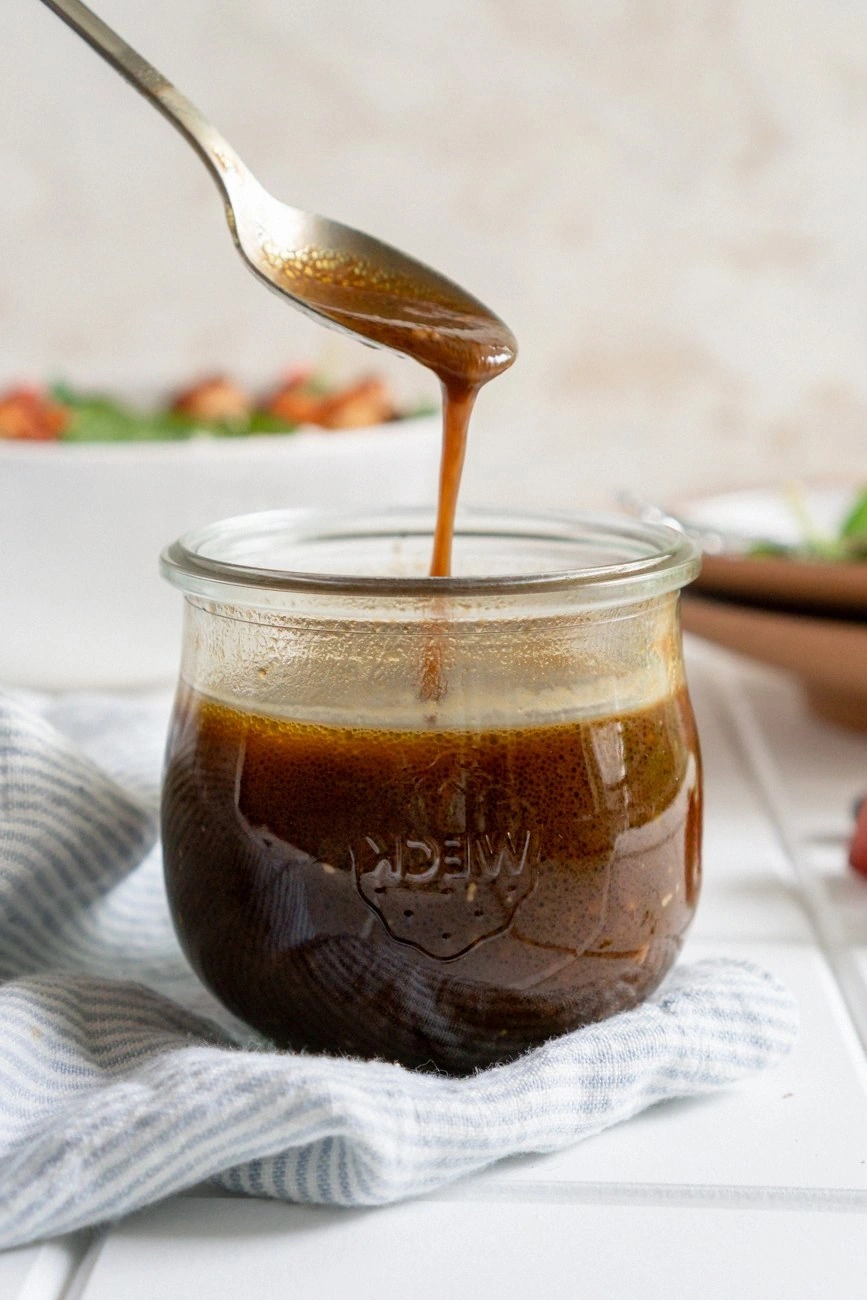
The Method — Step by Step
- Step 1: Combine the Mustard and Honey. In a small bowl, whisk 1 tablespoon Dijon mustard with 1 tablespoon honey until the mixture is smooth and slightly thick. The goal is to create a uniform base that will carry the flavors. If you prefer a sweeter dressing, add a second tablespoon of honey, but be sure to whisk thoroughly to avoid clumps. This step sets the stage for the reduction, so take your time and enjoy the aroma that begins to develop.
- Step 2: Add the Balsamic Vinegar. Pour 1/4 cup of aged balsamic vinegar into the bowl. Stir gently; the mixture should look glossy and slightly syrupy. The vinegar will start to caramelize when heated, so keep a watchful eye. If the mixture seems too thin, you can let it sit for a minute to thicken naturally.
- Step 3: Reduce the Mixture. Transfer the mixture to a small saucepan and bring it to a gentle simmer over medium heat. Let it reduce for 4–5 minutes, stirring occasionally, until the volume has shrunk by about a quarter and the liquid has a syrupy consistency. The reduction should emit a sweet, caramelized scent that makes your kitchen feel like a bakery. This is the moment of truth—watch the colors deepen from ruby to amber.
- Step 4: Whisk in the Olive Oil. Once the reduction has cooled slightly, slowly drizzle in 1/2 cup extra‑virgin olive oil while whisking vigorously. This creates an emulsion that’s silky and smooth. If the mixture starts to separate, pause the whisk and add a few drops of water to help bring it together. The finished dressing should have a glossy sheen that coats the back of a spoon.
- Step 5: Add Garlic, Salt, and Pepper. Mince one fresh garlic clove finely and stir it into the dressing. Add 1/4 teaspoon kosher salt and 1/2 teaspoon freshly cracked black pepper. Whisk until the garlic is evenly distributed. The pepper should give a subtle heat without masking the sweetness. Taste the dressing; it should be bright, tangy, and just sweet enough to linger on the palate.
- Step 6: Let It Rest. Transfer the dressing to a small jar or bowl and let it sit for at least 10 minutes. Resting allows the flavors to marry and the emulsion to thicken slightly. If you’re in a hurry, you can use it immediately, but the rest period is where the dressing truly shines.
- Step 7: Store or Serve. If you’re not using the dressing right away, cover the jar tightly and refrigerate. The dressing will stay fresh for up to a week. When you’re ready to serve, give it a quick stir to recombine any separated oil. Drizzle over your favorite salad or use it as a glaze for grilled vegetables.
- Step 8: Final Touch. Before serving, add a splash of extra olive oil if the dressing feels too thick. A tiny pinch of sea salt can also brighten the flavors if you taste it and think it needs a lift. This final tweak ensures the dressing is silky, balanced, and ready to elevate any dish.
Insider Tricks for Flawless Results
The Temperature Rule Nobody Follows
Many people think the reduction must reach a high heat to caramelize the honey. In reality, a gentle simmer preserves the delicate floral notes of the balsamic and prevents the mustard from becoming too thick. I’ve found that keeping the temperature at 180°F (80°C) ensures a smooth glaze without burning. If you’re using a digital thermometer, aim for that sweet spot—your dressing will thank you with a silky texture.
Why Your Nose Knows Best
Smell is your best judge of readiness. When the reduction has thickened, it should emit a warm, caramelized aroma that’s almost buttery. If the scent feels raw or vinegary, let it simmer a little longer. Trusting your nose can save you from a watery dressing that feels flat on the tongue.
The 5-Minute Rest That Changes Everything
Letting the dressing rest for five minutes after adding the oil allows the emulsion to set. During this time, the oil and vinegar bind more firmly, creating a dressing that clings to leaves like a second skin. Skipping the rest can result in a dressing that separates quickly, leaving you with a watery base that’s hard to recover.
Use Fresh, Not Frozen Garlic
Frozen garlic can release excess moisture, diluting the dressing’s flavor. Fresh garlic, minced just before use, delivers a crisp, bright punch that enhances the mustard’s sharpness. If you’re short on time, use pre‑minced garlic, but be sure to stir it in quickly to avoid sogginess.
Adjust the Sweetness to Your Taste
Everyone’s palate is different. If you prefer a sweeter dressing, add a teaspoon of honey after the reduction; if you’re a fan of tang, splash an extra splash of balsamic. The beauty of this recipe is its modularity—just tweak the sweet‑acid ratio and you get a new flavor profile each time.
Creative Twists and Variations
Smoky Chipotle Glaze
Add 1/2 teaspoon of chipotle powder to the reduction for a smoky, spicy kick. This variation pairs wonderfully with grilled corn or roasted sweet potatoes, turning a simple salad into a smoky fiesta.
Herby Basil Infusion
Stir in a handful of fresh basil leaves after the dressing has cooled. The basil adds a green, aromatic lift that feels like a summer garden in a bottle.
Maple‑Mustard Fusion
Swap the honey for maple syrup and use whole grain mustard instead of Dijon. The result is a richer, earthier dressing that complements roasted root vegetables or a hearty beet salad.
Asian‑Inspired Sesame Twist
Add 1 tablespoon of toasted sesame oil and a splash of rice vinegar. The sesame oil brings a nutty depth, while the rice vinegar adds a bright, clean acidity that works well with Asian slaws.
Vegan Vinaigrette
Replace the Dijon with a plant‑based mustard and use a neutral oil like grapeseed. This version keeps the same flavor profile while making the dressing suitable for vegans.
Spiced Apple Cider
Use 1/4 cup of apple cider vinegar instead of balsamic and add a pinch of cinnamon. The result is a warm, autumnal dressing that pairs beautifully with pumpkin or butternut squash salads.
Storing and Bringing It Back to Life
Fridge Storage
Transfer the dressing to a tightly sealed jar and refrigerate. It will stay fresh for up to seven days. Before using, give it a quick stir to recombine any separated oil. The dressing thickens slightly in the fridge, so add a splash of water if it feels too thick.
Freezer Friendly
For longer storage, divide the dressing into single‑serving portions in freezer‑safe containers. Freeze for up to two months. Thaw in the fridge overnight and stir well before serving. The texture remains silky, and the flavor is preserved.
Best Reheating Method
If the dressing has become too thick after refrigeration, gently warm it in a small saucepan over low heat, adding a teaspoon of water to loosen it. Avoid high heat to prevent the oil from separating. Once warmed, whisk until smooth and drizzle over your dish.