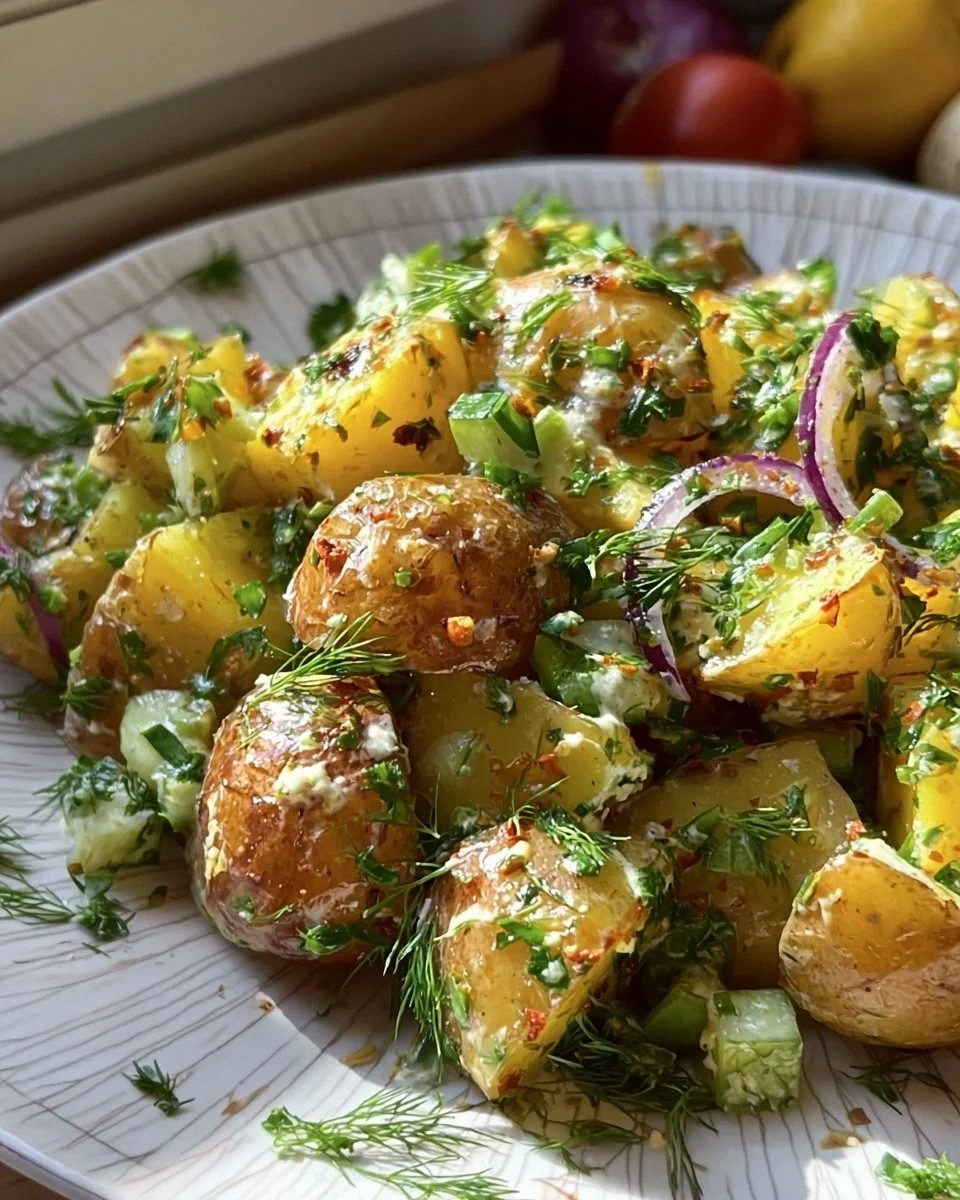
I still remember the Great Potato Salad Fiasco of 2019 like it happened yesterday. There I was, standing in my kitchen with a bowl of sad, mushy potatoes that tasted like wet cardboard mixed with despair. My neighbor had challenged me to bring "something actually edible" to the block party, and I'd confidently declared I'd revolutionize potato salad forever. Spoiler alert: I did not. The potatoes disintegrated into a gloopy mess, the herbs turned a sickly brown, and the dressing separated into an oily puddle that would make any self-respecting chef weep.
But here's where the story gets good. After three more failed attempts (and some very honest feedback from my brutally truthful taste-testing friends), I stumbled upon a method so ridiculously simple yet transformative that I actually did a victory dance in my kitchen at 11 PM on a Tuesday. The secret? Roasting those potatoes until their edges turn into crispy, golden nuggets of pure joy, then tossing them while still warm with an herbed dressing that seeps into every nook and cranny like liquid gold.
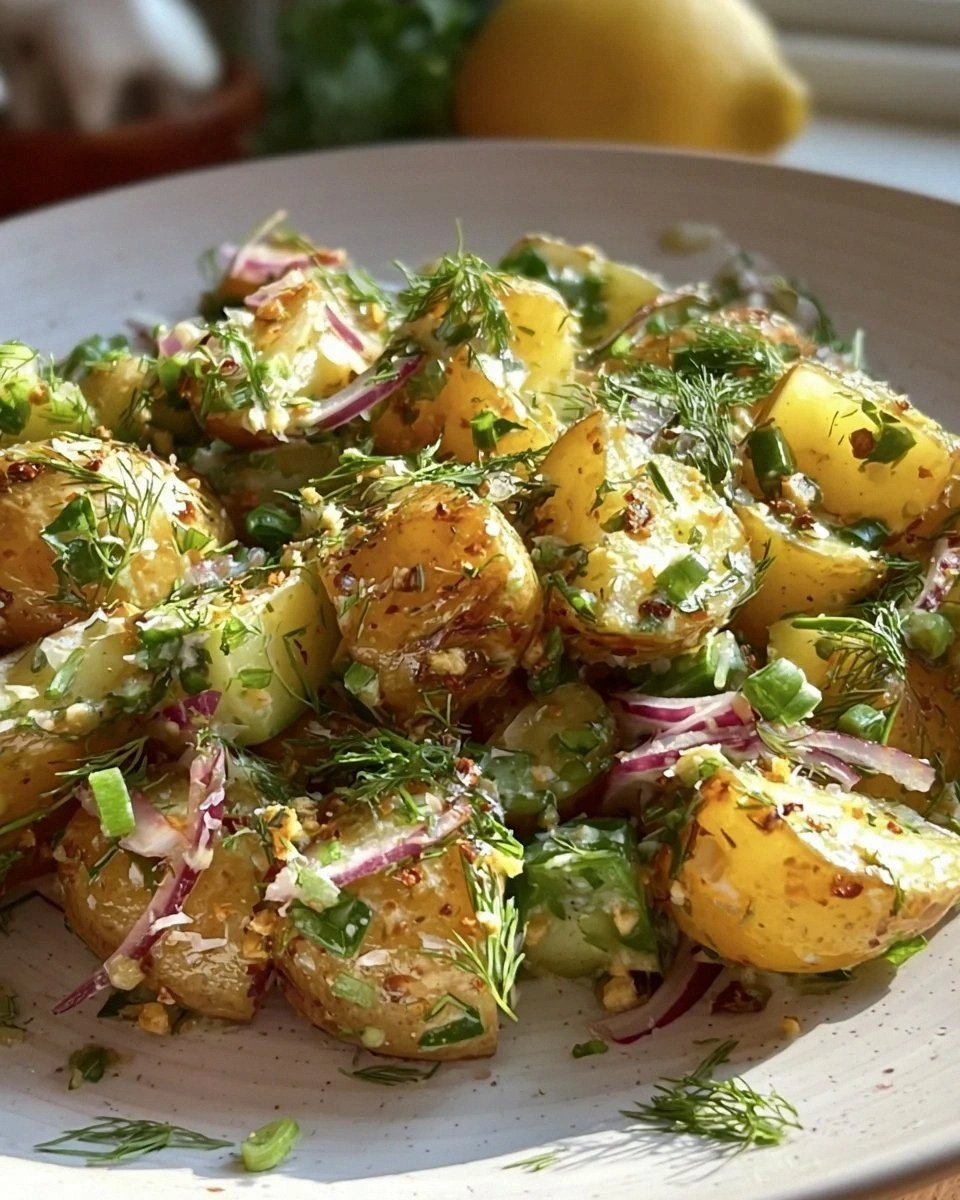
Picture this: perfectly roasted potato chunks with crackling edges that shatter like autumn leaves under your fork, revealing fluffy centers that soak up a bright, herbaceous dressing that's equal parts creamy and tangy. Each bite delivers a symphony of textures and flavors that makes traditional mayo-heavy potato salad taste like a sad afterthought. The herbs stay vibrant green, the potatoes maintain their integrity, and the whole thing comes together with such minimal effort that you'll wonder why anyone still boils their potatoes.
This isn't just another potato salad recipe — it's the potato salad that converted my herb-hating nephew, the one that disappeared in ten minutes at that same block party the following year, the one that people actually request by name. And now I'm handing over my crown jewel, complete with all the tricks that'll make you look like a culinary wizard without breaking a sweat. Let me walk you through every single step — by the end, you'll wonder how you ever made it any other way.
What Makes This Version Stand Out
Roasted Perfection: While everyone else is boiling their potatoes into flavorless submission, we're roasting them at high heat until they develop those coveted crispy edges that provide an incredible textural contrast to the creamy dressing. The Maillard reaction works its magic here, creating hundreds of new flavor compounds that simply don't exist in boiled potatoes.
Hot Potato Magic: Here's the game-changer — we dress these beauties while they're still warm, allowing the potatoes to absorb every last drop of flavor. Traditional recipes wait until everything's cold, but warm potatoes act like little sponges, soaking up the herbed oil and becoming infused with flavor from the inside out.
Herb Explosion: We're not talking about a sad sprinkle of dried parsley here. Fresh herbs are the stars of this show, added at multiple stages to create layers of flavor. Some go into the roasting process to become crispy and concentrated, while others stay fresh and bright in the final dressing.
Texture Paradise: This salad delivers three distinct textures in every bite — the crispy roasted edges, the creamy potato centers, and the occasional pop from ingredients like capers or crispy shallots. It's like a party in your mouth where everyone's invited and they all get along perfectly.
Make-Ahead Champion: Unlike traditional potato salads that get watery and sad after a day in the fridge, this version actually improves with time. The flavors meld and deepen, making it the perfect dish for entertaining or meal prep. I dare you to taste this and not go back for seconds — even on day three.
Crowd-Pleasing Power: This recipe has converted more potato salad skeptics than I can count. The combination of roasted flavor, fresh herbs, and perfect texture wins over everyone from picky kids to food snobs. I've seen people who "hate potato salad" demolish an entire bowl and ask for the recipe.
Effortless Elegance: Despite tasting like something from a fancy bistro, this recipe requires minimal active time. Most of the magic happens in the oven while you relax with a glass of wine, making it perfect for both weeknight dinners and special occasions.
Inside the Ingredient List
The Flavor Foundation
Let's start with the potatoes themselves — not all spuds are created equal for this recipe. You want waxy varieties like Yukon Gold or fingerling potatoes that hold their shape during roasting. Russets will fall apart and turn mealy, which defeats the whole purpose of creating those gorgeous crispy edges. Look for potatoes that feel firm and heavy for their size, with smooth skin free from green spots or sprouts.
Olive oil is your best friend here, but not just any olive oil. Reach for a good quality extra virgin variety with a peppery finish that can stand up to high heat without turning bitter. The oil doesn't just prevent sticking — it's what helps those edges turn golden and crispy while carrying the flavors of your herbs and seasonings throughout the dish.
Garlic plays a dual role in this recipe. Some cloves get tossed with the potatoes before roasting, turning sweet and mellow in the oven's heat. The rest gets whisked into the dressing raw, providing that sharp, pungent kick that makes the herbs sing. Fresh garlic makes all the difference here — the powdered stuff tastes like dusty disappointment in comparison.
The Herb Symphony
Fresh herbs are absolutely non-negotiable here — dried herbs would taste like potpourri mixed with sadness. Dill brings that unmistakable grassy brightness that screams "summer," while parsley adds a clean, slightly peppery note. Chives contribute a delicate onion flavor without overwhelming the other herbs, and a touch of fresh thyme adds an earthy depth that grounds the whole dish.
Each herb has its moment to shine. Some get added before roasting, where the heat intensifies their flavors and creates little crispy herb chips throughout the salad. The rest join the party in the fresh dressing, maintaining their bright color and providing pops of fresh flavor. This two-stage approach creates herbal complexity that'll make your taste buds dance.
Don't even think about using that sad dried herb blend that's been sitting in your spice cabinet since 2017. Fresh herbs cost pennies at the grocery store, and many grocery stores sell "poultry blend" packs that contain exactly what you need. Pro tip: herbs keep for weeks when stored properly — wrap them in damp paper towels and store in plastic bags in your crisper drawer.
The Creamy Dream Team
Greek yogurt forms the base of our dressing, providing tang and creaminess without the heavy, gloopy texture of traditional mayo-based salads. The protein-rich yogurt also helps the dressing cling to the potatoes better than oil-based dressings that slide right off. Full-fat yogurt works best here — the low-fat stuff tastes thin and watery in comparison.
A touch of Dijon mustard adds complexity and helps emulsify the dressing, creating a smooth, cohesive texture that coats every potato chunk perfectly. The sharp, tangy notes of good mustard cut through the richness of the potatoes and provide that little something extra that keeps people coming back for bite after bite.
Lemon juice brightens everything up, cutting through the richness of the roasted potatoes and making the herbs taste even fresher. The acid also helps balance the natural sweetness that develops during roasting. Fresh lemon juice is worth the extra thirty seconds of effort — the bottled stuff tastes like cleaning products and will ruin your beautiful salad.
The Unexpected Stars
Capers might seem like an odd addition, but these little flavor bombs provide briny pops that cut through the richness of the potatoes. They melt slightly into the warm potatoes, distributing their tangy, salty flavor throughout the salad. If capers aren't your thing (though I challenge you to try them here), chopped cornichons or even a splash of pickle juice can provide similar brightness.
Shallots bring a more refined, delicate onion flavor than their pungent red onion cousins. When they hit the warm potatoes, they soften slightly without losing their crunch entirely. This provides another layer of texture and a gentle onion flavor that doesn't overwhelm the delicate herbs. If you can't find shallots, a mild sweet onion works as a substitute.
Everything comes together with a generous glug of your best olive oil — and I mean your best. This is where you break out that fancy bottle you've been saving. The oil carries all the flavors and helps them meld together, plus it provides that luxurious mouthfeel that makes this salad feel special rather than everyday.
Everything's prepped? Good. Let's get into the real action...
The Method — Step by Step
- Preheat your oven to 425°F (220°C) and position a rack in the lower third. This higher temperature is crucial for achieving those coveted crispy edges. While it's heating, grab your largest rimmed baking sheet — the kind with raised edges that'll prevent potato escapees. Place it in the oven to heat up while you prep the potatoes. A hot pan means immediate sizzling action when those spuds hit the metal, jumpstarting the crisping process.
- Wash and scrub your potatoes thoroughly, but don't peel them — the skin provides texture and holds everything together. Cut them into 1-inch chunks, but don't stress about perfect uniformity. In fact, deliberately cutting some pieces smaller creates variety — the little bits will turn into crispy potato croutons while the larger chunks stay creamy inside. As you cut, place them in a large bowl of cold water to prevent browning and remove excess starch, which helps them crisp better.
- Drain the potatoes well and spread them on a clean kitchen towel. Pat them completely dry — any remaining moisture will steam instead of roast, leaving you with sad, soggy potatoes. This step seems fussy but makes the difference between good and spectacular. Once dry, toss them with olive oil, salt, pepper, and half your fresh herbs. The oil should coat every piece but not pool in the bottom of the bowl.
- Carefully remove the hot baking sheet from the oven — it should sizzle when you sprinkle a few drops of water on it. Spread the potatoes in a single layer, ensuring they don't touch. Crowding leads to steaming, and steaming is the enemy of crispiness. If they don't all fit, use two pans rather than cramming them together. Slide the pan back into the oven and set a timer for 20 minutes.
- While the potatoes roast, prepare the dressing by whisking together Greek yogurt, lemon juice, Dijon mustard, minced garlic, and a generous pour of olive oil. The mixture should be creamy but pourable — add a splash of water if it's too thick. Taste and adjust with salt and pepper. The dressing should be assertively seasoned since it will mellow when mixed with the warm potatoes.
- After 20 minutes, remove the pan and use a thin spatula to flip the potatoes. Don't just stir — you want to scrape up all those gorgeous brown bits stuck to the pan. These caramelized bits are pure flavor gold. Rotate the pan and return it to the oven for another 15-20 minutes, until the potatoes are deep golden brown and crispy on multiple sides. They should smell toasty and slightly sweet.
- While the potatoes finish roasting, prep your mix-ins. Finely dice the shallots, roughly chop the remaining herbs, and drain the capers. Keep everything separate for now — we'll add them at different stages to maximize their impact. The shallots go in while the potatoes are warm, softening slightly but maintaining their crunch. The fresh herbs and capers get folded in just before serving to keep their flavors bright.
- Remove the potatoes from the oven and let them cool for exactly 5 minutes — still warm enough to absorb the dressing but not so hot that they melt everything into a puddle. Transfer them to a large bowl and immediately add the shallots, tossing gently. The residual heat softens the shallots just enough while maintaining their pleasant crunch. This is also when you add the roasted herbs that have been crisping in the oven.
- Pour about three-quarters of the dressing over the warm potatoes and fold gently with a rubber spatula. You want to coat every piece without breaking up the potatoes — they're tender from roasting and need a gentle touch. Add the remaining fresh herbs and capers, then toss again. Taste and add more dressing if needed, remembering that the potatoes will continue to absorb flavors as they sit.
- Let the salad rest for at least 15 minutes before serving — this is crucial for flavor development. During this time, the warm potatoes drink up the dressing, the herbs release their oils, and all the flavors meld into something greater than the sum of their parts. Serve it slightly warm or at room temperature, garnished with extra fresh herbs and a final drizzle of your best olive oil. This next part? Pure magic.
That's it — you did it. But hold on, I've got a few more tricks that'll take this to another level...
Insider Tricks for Flawless Results
The Temperature Rule Nobody Follows
Here's the thing that separates amateur potato salads from restaurant-quality ones: temperature management. Most people either serve their potato salad ice cold straight from the fridge or lukewarm and sad. The sweet spot is serving it at room temperature, where all the flavors are at their peak. Cold mutes flavors while heat can make the yogurt dressing break and separate.
I'll be honest — I ate half the batch before anyone else got to try it the first time I made this perfectly. The aroma of roasted potatoes mingling with fresh herbs is absolutely intoxicating, and waiting for it to cool to the right temperature feels like torture. But trust me on this one: let it sit out for 30 minutes before serving, and you'll understand why restaurants never serve potato salad straight from the walk-in cooler.
If you must make it ahead (and you absolutely should — it gets better with time), pull it from the fridge at least an hour before serving. Give it a gentle stir and maybe add a splash of lemon juice to wake up the flavors. The difference between cold and room temperature is like the difference between a photograph and being there in person.
Why Your Nose Knows Best
Forget timers — your nose is the most reliable tool for knowing when these potatoes are perfectly roasted. When they're ready, your kitchen will fill with the most incredible aroma of caramelized potatoes and toasty herbs. It smells like Sunday dinner at grandma's house, like comfort food perfected, like something you can't quite describe but immediately recognize as delicious.
This is hands down the best version you'll ever make at home, and it's largely because you're using senses beyond just sight. When you smell that nutty, slightly sweet aroma, you know the Maillard reaction has worked its magic, creating hundreds of new flavor compounds that make roasted potatoes so addictive. A friend tried skipping this step once — let's just say it didn't end well. She pulled them when they were pale and sad, and the resulting salad tasted like disappointment.
Picture yourself pulling this out of the oven, the whole kitchen smelling incredible, neighbors knocking on your door asking what you're making. That's the power of roasting at high heat and trusting your senses. The potatoes should be deep golden brown, almost mahogany on the edges, with crispy bits that you'll be tempted to eat straight off the pan.
The 5-Minute Rest That Changes Everything
After roasting, those potatoes need exactly five minutes to cool slightly before dressing. Too hot and they'll melt the yogurt into a curdled mess. Too cool and they won't absorb the dressing properly. Set a timer and walk away if you must, but don't rush this step. This brief pause allows the starch to settle and the exterior to dry slightly, creating the perfect canvas for your dressing.
During this crucial window, the potatoes transform from hot roasted vegetables into the perfect vehicle for flavor absorption. They're still warm enough to welcome the dressing like an old friend, but not so hot that they break down the delicate yogurt. It's like the difference between hugging someone who's just right versus someone who's either too hot or too cold — temperature matters more than you think.
Use this time wisely — whisk your dressing one final time, chop your remaining herbs, and prepare your serving bowl. By the time you're ready to combine everything, the potatoes will be at the perfect temperature to create the salad of your dreams. Okay, ready for the game-changer?
Creative Twists and Variations
This recipe is a playground. Here are some of my favorite ways to switch things up:
Mediterranean Sunset
Swap the dill for oregano and add sun-dried tomatoes, Kalamata olives, and crumbled feta cheese. The briny olives and tangy feta transform this into a Greek-inspired masterpiece that pairs beautifully with grilled lamb or fish. Add a pinch of smoked paprika to the roasting potatoes for depth, and finish with a squeeze of fresh lemon and a drizzle of your best Greek olive oil.
Smoky Bacon Bliss
Roast the potatoes with thick-cut bacon pieces — the bacon fat seasons the potatoes while the meat becomes crispy and irresistible. Use smoked salt instead of regular salt, and add a touch of maple syrup to the dressing for that sweet-savory balance that makes people lose their minds. Finish with fresh chives and watch this disappear faster than free pizza at a college party.
Spicy Southwest
Add a teaspoon of chipotle powder to the roasting potatoes, swap the herbs for cilantro, and mix some adobo sauce into the dressing. Add roasted corn kernels and black beans for a complete meal that works as both side dish and vegetarian main. The smoky heat builds slowly, making this dangerously addictive. If you've ever struggled with boring potato salad, you're not alone — and I've got the fix.
French Bistro
Use tarragon and chervil instead of dill, add Dijon grainy mustard to the dressing, and fold in some crisp cornichons at the end. This elegant version pairs beautifully with roast chicken or steak, and tastes like something you'd find at a charming Parisian café. The key is using French herbs and that spectacular whole-grain mustard that pops between your teeth.
Asian Fusion
Roast the potatoes with sesame oil and ginger, then dress with a mixture of rice vinegar, soy sauce, and a touch of honey. Add scallions, toasted sesame seeds, and a handful of crispy shallots. The umami-rich dressing clings to the potatoes in a way that's completely different from the yogurt version but equally addictive. This is what happens when East meets West in the best possible way.
Spring Garden
Add asparagus tips and fresh peas to the roasting pan during the last 10 minutes, use mint and basil along with the dill, and fold in some baby arugula at the end. The vegetables stay bright and fresh while the potatoes provide hearty satisfaction. This version celebrates spring produce and tastes like sunshine on a plate.
Storing and Bringing It Back to Life
Fridge Storage
This salad keeps beautifully in an airtight container for up to 5 days — if it lasts that long. The flavors actually deepen and improve after the first day as the herbs release their oils and everything melds together. Store it in the coldest part of your fridge, not in the door where temperatures fluctuate. Press plastic wrap directly onto the surface to prevent it from drying out or absorbing other flavors from your fridge.
The key to maintaining that perfect texture is avoiding excess moisture. Make sure your container is completely dry before adding the salad, and don't pack it while the potatoes are still steaming. Leave a little breathing room at the top of the container, and always use a clean spoon when serving to prevent contamination that could shorten its shelf life.
Freezer Friendly
While most potato salads turn to mush when frozen, this roasted version actually holds up remarkably well thanks to the crispy edges. Freeze individual portions in freezer-safe containers for up to 2 months. Thaw overnight in the fridge, then let come to room temperature before serving. The texture won't be quite as perfect as fresh, but it's miles better than traditional frozen potato salad.
The trick is under-dressing slightly before freezing, then adding a bit of fresh dressing when you serve. The potatoes absorb liquid during freezing, so having less dressing prevents them from becoming soggy. Add a squeeze of fresh lemon and a drizzle of olive oil to wake everything up, and no one will know it was ever frozen.
Best Reheating Method
While this salad is best served at room temperature, sometimes you want that just-made warmth. The secret is using your oven, not the microwave. Spread the salad on a baking sheet and warm it in a 300°F oven for about 10 minutes, just until it's no longer cold. This gentle reheating preserves the texture without turning the dressing grainy.
Add a tiny splash of water before reheating — it steams back to perfection. The water creates just enough moisture to prevent drying without making anything soggy. Finish with fresh herbs and a drizzle of olive oil, and it's almost like you just made it. That sizzle when it hits the pan? Absolute perfection.