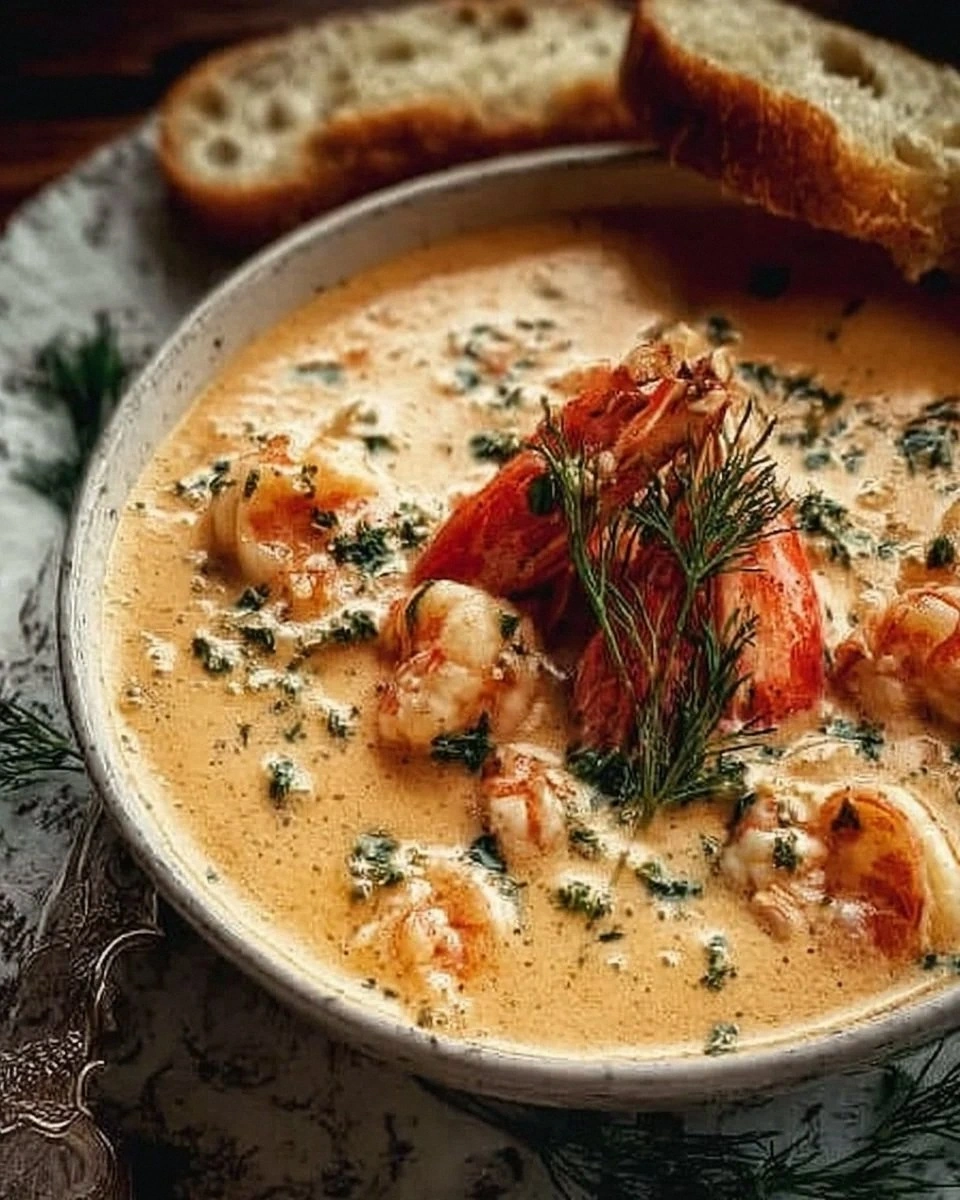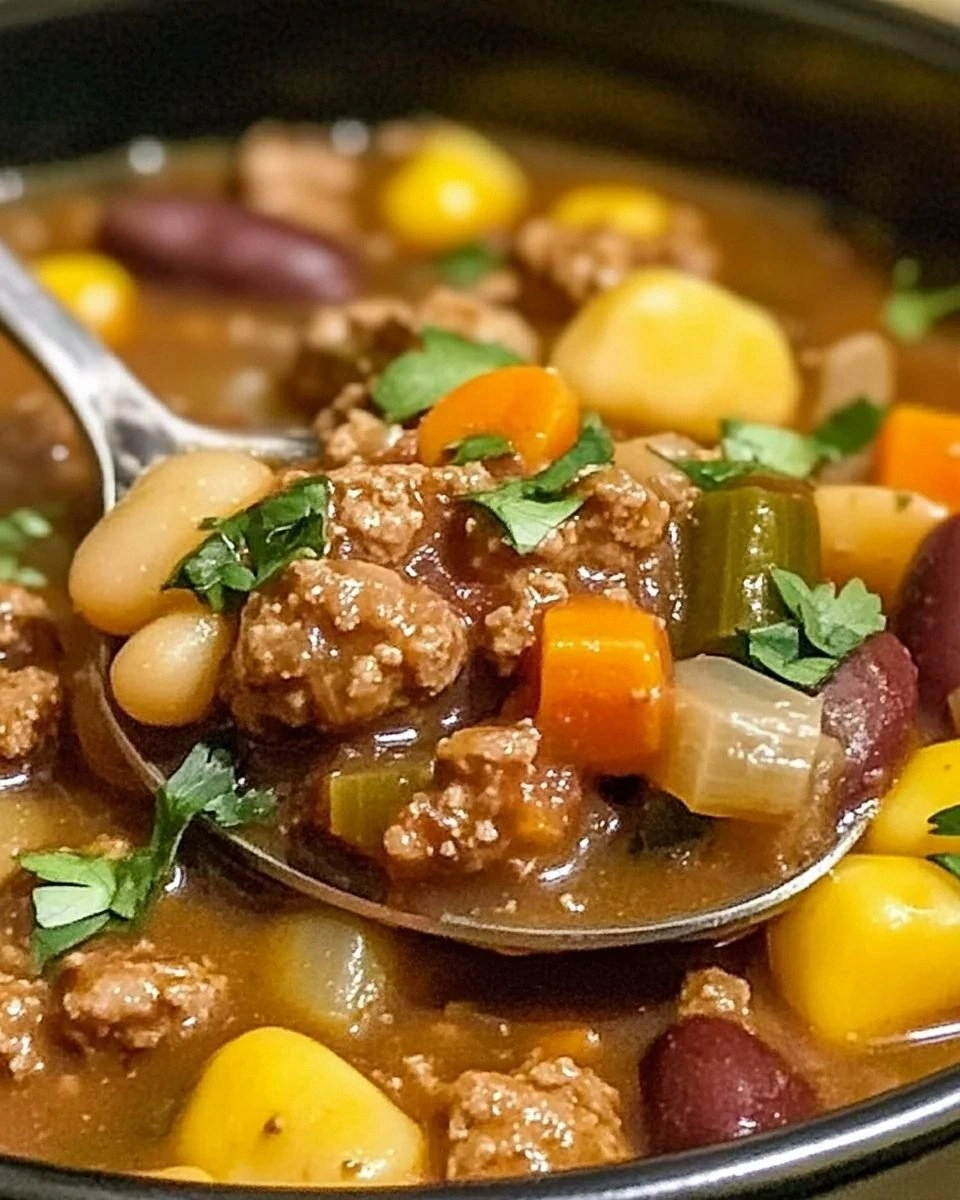
I still remember the day I ruined my first cowboy stew so badly that even my dog gave me that look of culinary betrayal. The meat was tougher than my grandmother's old leather boots, the vegetables had turned into an unrecognizable mush that would make baby food look appealing, and the broth tasted like I'd accidentally dumped the entire salt shaker into the pot. My kitchen smelled like a campfire disaster, and I stood there in defeat, wondering if I should just order pizza and pretend this never happened. But something inside me refused to give up — maybe it was the memory of my uncle's incredible cowboy stew from our family reunion, or maybe it was just pure stubbornness, but I knew I had to crack the code to this legendary Texas comfort food.
Fast forward through three months of obsessive testing, countless pounds of beef, and enough vegetables to feed a small ranch, and I finally stumbled upon the holy grail of cowboy stew recipes. The moment I tasted this version, everything clicked into place like the final piece of a delicious puzzle. The beef was so tender it practically melted on my tongue, the vegetables retained just enough bite to remind you they were once living things, and the broth — oh, that magical broth — had developed this rich, complex flavor that made me want to bathe in it (I didn't, but I thought about it). My neighbors started showing up at my door with empty bowls and hopeful expressions, and even my previously skeptical husband began requesting this stew every single week.
What makes this cowboy stew different from every other recipe floating around the internet? It's not just about throwing ingredients into a pot and hoping for the best — it's about understanding the alchemy that happens when you layer flavors properly, when you respect each ingredient's cooking time, and when you have the patience to let the magic happen. This isn't some watered-down, rushed weeknight dinner that leaves you wondering why you bothered. This is the kind of stew that makes grown men weep with joy, that turns strangers into best friends over a shared bowl, and that warms you from the inside out like a Texas sunset. The secret lies in a few game-changing techniques that most recipes completely ignore, and I'm about to spill every single bean (pun absolutely intended).
I dare you to taste this stew and not immediately go back for seconds. I double-dog dare you to serve it at your next gathering without having at least three people ask for the recipe. This is hands down the best version you'll ever make at home, and I'm not just saying that because I'm biased (okay, maybe I am a little biased, but I'm also right). Picture yourself pulling this steaming pot of liquid gold out of the oven, the whole kitchen smelling like you've been transported to the best Texas roadhouse you've ever imagined, and knowing that you're about to experience something truly special. Let me walk you through every single step — by the end, you'll wonder how you ever made it any other way.
What Makes This Version Stand Out
Flavor Bomb: We're not just browning the meat here — we're taking it to the edge of caramelization, creating those beautiful fond bits that dissolve into pure umami magic. Most recipes rush this step and miss out on the deep, complex flavors that make restaurant-quality stew possible at home.
Texture Paradise: Say goodbye to mushy vegetables that disintegrate into nothingness. Each vegetable gets added at precisely the right moment, ensuring they maintain their individual character while still contributing to the overall harmony of the dish.
One-Pot Simplicity: Despite tasting like you've spent all day slaving over a hot stove, this entire masterpiece comes together in a single Dutch oven. Less dishes, more time to enjoy the fruits of your labor (or should I say, the vegetables of your victory).
Unexpected Depth: While other recipes rely on predictable seasoning blends, we're introducing a secret ingredient that adds layers of complexity without overwhelming the dish. It's subtle enough that people can't quite put their finger on it, but they'll definitely notice something special.
Crowd-Pleasing Power: This isn't some pretentious chef's attempt at elevating humble food. This is the real deal — the kind of stew that makes picky eaters clean their plates and food snobs admit defeat. It's comfort food at its finest, elevated just enough to be memorable.
Make-Ahead Magic: Unlike many stews that lose their luster overnight, this one actually improves with time. The flavors continue to meld and develop, making it the perfect meal prep solution for busy weeks or impressive dinner parties.
Quality Ingredient Respect: We're not hiding inferior ingredients under a mountain of seasoning. Every component shines through, which means using the best quality you can afford actually matters here. Your taste buds will thank you for the investment.
Alright, let's break down exactly what goes into this masterpiece...
Inside the Ingredient List
The Flavor Foundation
The beef is obviously the star of this show, but not just any beef will do. You need chuck roast that's marbled with enough fat to keep it juicy through the long cooking process, but not so fatty that you're chewing on rubber bands. I always look for pieces with good marbling throughout — those white streaks are flavor insurance policies that guarantee tender, succulent results. Cut it into generous 1-inch chunks, and don't you dare trim off all the fat. That fat renders down during cooking, creating a natural basting system that keeps the meat moist and adds incredible richness to the broth. If you can't find chuck roast, bottom round works in a pinch, but you'll want to add an extra tablespoon of oil to compensate for the leanness.
Onions form the aromatic backbone of this entire operation, and I use a combination of yellow and sweet onions for maximum complexity. The yellow onions bring that sharp, assertive flavor that mellows beautifully during cooking, while the sweet onions add natural sugars that help with caramelization. Slice them thick enough that they don't disappear into the stew, but not so thick that they never cook through. About half-inch half-moons work perfectly — they'll soften and sweeten as they cook, but still maintain enough structure to be identifiable in the final dish.
The Texture Crew
Potatoes in cowboy stew are non-negotiable, but here's where most recipes go wrong — they add them too early and end up with potato soup instead of stew. I use baby potatoes cut in half, added during the final 30 minutes of cooking so they stay intact but still absorb all those incredible flavors. Yukon Golds are my go-to because they hold their shape better than Russets while still getting that fluffy interior we all love. Leave the skins on for extra texture and nutrients, plus they look more rustic and appealing in the final presentation.
Carrots bring sweetness and color contrast, but we're not just throwing them in willy-nilly. Cut them into thick diagonal slices — they look more professional and give you that perfect bite-size piece. Add them about halfway through cooking so they soften but don't turn to mush. The natural sugars in carrots help balance the savory elements, creating a more complex flavor profile that keeps you coming back for another bite. If you can find rainbow carrots, they make the final dish look absolutely stunning with their purple, yellow, and orange hues.
The Unexpected Star
Here's where things get interesting — instead of using regular beef broth, we're making our own quick stock using roasted beef bones and vegetables. It sounds like extra work, but it only adds 20 minutes to the process and elevates the flavor from good to absolutely transcendent. The bones you get from your butcher for pennies (or sometimes free) contain collagen that breaks down into gelatin, giving your stew that luxurious, silky texture that coats your mouth with flavor. Roast them at high heat until they're deeply browned, then simmer with onions, carrots, and celery while you prep everything else.
Chipotle peppers in adobo sauce are my secret weapon for adding smoky depth and gentle heat that builds slowly rather than hitting you over the head. Just one pepper, minced finely, adds layers of complexity without making the stew spicy. The adobo sauce itself is liquid gold — smoky, slightly sweet, with a tangy edge that brightens all the rich, heavy elements. If you can't find chipotle peppers, smoked paprika works, but you'll miss that subtle fruity note that makes this version special.
The Final Flourish
Fresh herbs make all the difference between a good stew and a memorable one. I use a combination of fresh thyme and oregano, added at two different stages. Half goes in early to infuse the broth with their essential oils, and the rest gets stirred in right before serving for that bright, fresh punch. Dried herbs simply can't compete with the vibrant, almost citrusy quality of fresh herbs. If you can only choose one, go with thyme — its earthy, slightly floral notes complement beef better than any other herb.
A splash of good quality balsamic vinegar at the very end is like turning up the contrast on a photograph. It doesn't make the stew taste like vinegar; instead, it heightens all the other flavors and adds a subtle sweetness that rounds everything out. Use the thick, aged balsamic if you have it — the cheap stuff works too, but the complex sweetness of good balsamic adds another dimension entirely. Start with less than you think you need — you can always add more, but you can't take it out once it's in there.
Everything's prepped? Good. Let's get into the real action...

The Method — Step by Step
- Patience Pays Off: Start by patting your beef chunks dry with paper towels — I cannot stress enough how important this step is. Moisture is the enemy of good browning, and without proper browning, you're missing out on the Maillard reaction that creates hundreds of flavor compounds. Season generously with salt and pepper, more than you think you need. Heat your Dutch oven over medium-high heat until it's screaming hot — a drop of water should dance across the surface. Add just enough oil to coat the bottom, then work in batches to brown the meat. Don't crowd the pan or you'll end up steaming instead of searing. Each piece should get a beautiful dark crust, which takes about 3-4 minutes per side. That sizzle when the meat hits the pan? That's the sound of flavor being created.
- Building the Foundation: Remove the beef and set it aside, then immediately add your onions to the same pot. Don't you dare wash that pot — those brown bits stuck to the bottom are pure flavor gold. The onions will release moisture as they cook, helping to loosen those bits while creating the aromatic base of your stew. Cook them slowly, stirring occasionally, until they turn golden and start to caramelize. This takes about 8-10 minutes, but it's worth every second. The transformation from sharp and crunchy to sweet and meltingly tender is nothing short of magical.
- The Garlic Moment: Clear a space in the center of the pot and add your minced garlic. Let it cook for just 30 seconds — any longer and it turns bitter. The aroma should hit you immediately, making your kitchen smell like an Italian grandmother's kitchen. Stir it quickly into the onions, then add your tomato paste. Cook the tomato paste for 2-3 minutes, stirring constantly, until it darkens from bright red to a deep brick color. This step concentrates the tomato flavor and adds a subtle sweetness that balances the richness of the beef.
- Fortifying the Base: Now it's time to add your flour — this is what transforms your stew from soup-like to luxuriously thick. Sprinkle it over the onion mixture and stir constantly for 2 minutes. The flour should disappear into the vegetables and turn a light golden color. This creates a roux that will thicken your stew and add a nutty flavor that plain flour just can't provide. If you skip this step, you'll end up with watery stew that never quite comes together.
- The Deglazing Dance: Pour in your beer slowly, stirring constantly to prevent lumps. Use a wooden spoon to scrape up every last bit of those beautiful brown bits — they're packed with concentrated flavor. The beer adds a malty depth that wine just can't match, plus the carbonation helps lift all those stuck bits. Let it bubble away for 3-4 minutes until reduced by half. The alcohol cooks off, leaving behind complex flavors that make people wonder what your secret ingredient is.
- Bringing It All Together: Return your beef to the pot along with any accumulated juices. Add your beef stock, bay leaves, and half your fresh herbs. The liquid should just barely cover the meat — too much and you'll have soup, too little and your beef won't cook properly. Bring it to a gentle simmer, then immediately reduce the heat to low. Cover with a tight-fitting lid and let it bubble away for 90 minutes. This is where the magic happens, where tough beef transforms into spoon-tender morsels.
- The Vegetable Timing: After 90 minutes, add your carrots and continue cooking for 15 minutes. Then add your potatoes and cook for another 20-25 minutes until they're tender but not falling apart. This staggered approach ensures everything finishes at the same time without any mushy vegetables. Test doneness by piercing a potato with a fork — it should slide in with slight resistance. If it goes in like butter, you've gone too far.
- The Final Adjustments: Remove from heat and stir in your remaining herbs, balsamic vinegar, and a generous grind of black pepper. Let it rest for 10 minutes — this allows the flavors to meld and the stew to thicken slightly. Taste and adjust seasoning with salt if needed. Remember that flavors concentrate as the stew cools, so be conservative with additional salt. Serve hot with crusty bread for sopping up every last drop of that incredible broth.
That's it — you did it. But hold on, I've got a few more tricks that'll take this to another level...
Insider Tricks for Flawless Results
The Temperature Rule Nobody Follows
Here's something that'll blow your mind — the temperature of your ingredients matters more than you think. Cold beef straight from the fridge won't brown properly, and cold stock will shock your hot vegetables, stopping the cooking process in its tracks. Let your beef sit at room temperature for 30 minutes before cooking, and warm your stock in the microwave for 60 seconds before adding it. This ensures everything cooks evenly and you don't lose momentum at crucial moments. A friend tried skipping this step once — let's just say it didn't end well. Her stew took an extra hour to cook, and the vegetables turned into an unappetizing gray mess.
Why Your Nose Knows Best
Your sense of smell is your most valuable tool when making this stew. When the onions are perfectly caramelized, they'll smell sweet and slightly nutty, not sharp or acrid. The garlic should perfume the air with its distinctive aroma, but if it smells bitter, you've gone too far. Even the beef stock should smell rich and beefy, not like metal or chemicals. If something smells off, trust your instincts and start over. I've saved countless disasters by paying attention to what my nose was telling me. That slightly burned smell when the flour hits the oil? That's your cue to move faster.
The 5-Minute Rest That Changes Everything
After your stew finishes cooking, resist the urge to dig in immediately. Let it rest off the heat for at least 5 minutes, preferably 10. This isn't just about avoiding burned tongues — it's about allowing the flavors to settle and meld. During cooking, the heat keeps everything in constant motion, but the rest period lets the broth thicken naturally as the starches hydrate fully. The meat relaxes and becomes even more tender, and the vegetables absorb some of the surrounding flavors. It's like the difference between a good symphony and a great one — that pause before the final note makes all the difference.
The Secret Ingredient You're Missing
Okay, ready for the game-changer? A teaspoon of instant coffee powder, added with the tomato paste, adds an incredible depth that nobody can identify but everyone notices. It doesn't make the stew taste like coffee — instead, it enhances the beefy flavors and adds a subtle bitterness that balances the natural sweetness of the vegetables. This is the kind of trick that separates good cooks from great ones. I learned this from a chef friend who uses it in everything from chili to chocolate cake. The coffee should be instant, not ground, because it dissolves completely and doesn't add grittiness to your smooth broth.
Creative Twists and Variations
This recipe is a playground. Here are some of my favorite ways to switch things up:
The Smoky Bacon Version
Replace half the oil with rendered bacon fat, and add crumbled crispy bacon at the end. The smoky pork flavor takes this from cowboy comfort to absolute decadence. Start by cooking 6 strips of thick-cut bacon until crispy, then use that rendered fat to brown your beef. The bacon itself gets crumbled and stirred in just before serving, adding little pockets of salty, smoky goodness throughout. This version is especially popular with teenagers and anyone who believes bacon makes everything better (which, let's face it, is everyone).
The Southwest Heat Wave
Add a diced jalapeño with the onions, swap the beer for Mexican lager, and include a teaspoon of ground cumin. Finish with fresh cilantro and a squeeze of lime juice. This variation brings the heat without overwhelming the other flavors, and the cumin adds that distinctive Southwest character that pairs beautifully with the chipotle. My spice-loving friends go crazy for this version, and it's become my go-to for game day gatherings where people expect bold flavors.
The Hunter's Special
Substitute half the beef with venison or bison for a leaner, more gamey flavor. These meats benefit from the long cooking time and add an earthy complexity that regular beef just can't match. Add a bay leaf and juniper berries if you have them — they complement game meats beautifully. This version is perfect for those times when you want to impress your outdoorsy friends or when you've got a freezer full of last hunting season's bounty.
The Veggie Lover's Dream
Keep the recipe mostly the same but add turnips, parsnips, and sweet potatoes along with the regular potatoes. The variety of root vegetables creates different textures and flavors that keep every bite interesting. The sweet potatoes add a natural sweetness that plays beautifully against the savory beef, while turnips bring a slight peppery bite that cuts through the richness. Even dedicated carnivores love this version — it's like the vegetable kingdom's greatest hits album.
The Irish Pub Fusion
Replace the beer with Guinness, add a tablespoon of Worcestershire sauce, and include a cup of green peas in the final 5 minutes. The stout adds a deep, malty flavor that's unmistakably Irish, while the peas provide little pops of sweetness and color. Serve this with Irish soda bread instead of regular crusty bread, and you've got a fusion that works surprisingly well. This has become my St. Patrick's Day tradition, even though it makes absolutely no historical sense.
The Health Nut's Choice
Use grass-fed beef, swap white potatoes for sweet potatoes, add a cup of kale in the final 10 minutes, and use low-sodium stock. The grass-fed beef has a cleaner, more beefy flavor that shines through, while sweet potatoes add nutrients without sacrificing satisfaction. The kale wilts down and practically disappears, but adds a nutritional boost that helps justify having that second bowl. My health-conscious sister swears by this version, and honestly, I can barely tell the difference from the original.
Storing and Bringing It Back to Life
Fridge Storage
Store leftover stew in airtight containers in the refrigerator for up to 4 days. The key is to cool it quickly — divide it into shallow containers so it cools within 2 hours. This prevents bacterial growth and maintains the best texture. Don't leave it in the Dutch oven overnight unless you're planning to reheat the entire batch. The stew will thicken considerably as it cools, so don't panic if it looks like beef jelly. That's actually a good sign — it means you extracted plenty of gelatin from the bones and connective tissue. When reheating, add a splash of water or stock to loosen it up.
Freezer Friendly
This stew freezes beautifully for up to 3 months, making it perfect for meal prep or emergency comfort food. Freeze in individual portions for quick weeknight dinners, or in larger containers for family meals. The only caveat is that potatoes can get a bit grainy after freezing, so if you're planning to freeze it, consider undercooking them slightly. Let the stew cool completely before freezing, and leave about an inch of headspace in your containers for expansion. Thaw overnight in the refrigerator for best results, though you can defrost in the microwave in a pinch.
Best Reheating Method
The best way to reheat this stew is low and slow on the stovetop, stirring occasionally. Add a splash of water or stock to thin it out, and warm it gently over medium-low heat until bubbling. Avoid the microwave if possible — it heats unevenly and can turn your beautiful vegetables into mush. If you must use the microwave, do it in 60-second intervals, stirring between each one. For frozen stew, let it thaw completely first for best results. The flavors actually intensify during storage, so day-two stew often tastes even better than fresh. Add a sprinkle of fresh herbs right before serving to brighten everything up.