Picture this: it's 11 PM on a Tuesday night, and I'm standing in my kitchen wearing mismatched socks, flour in my hair, absolutely demolishing the most incredible dessert I've ever created. My roommate walks in, stops dead in her tracks, and simply says, "What IS that smell?" The next thing I know, we're both hunched over the counter like dessert-starved gremlins, fighting over the last bite of what I can only describe as pure British comfort food magic. Friends, that was my first encounter with Gordon Ramsay's sticky toffee pudding — and let me tell you, it ruined me for all other desserts forever.
I've made this pudding fifteen times in the past two months. I've served it to dinner guests who literally licked their plates clean (and yes, I let them because I get it). I've made it for my boyfriend's birthday instead of cake, and he now requests it monthly. I even brought it to a potluck where people demanded I email the recipe before I'd even packed up my empty dish. This isn't just a dessert — it's a life-changing experience wrapped in warm, date-laden sponge and drenched in toffee sauce that should probably be illegal in at least three states.
Here's the thing: most sticky toffee pudding recipes are complete disasters. They're either dry as the Sahara, sweet enough to make your teeth ache, or so dense they could double as doorstops. Not this one. This is Gordon Ramsay's version, and it's everything you never knew you needed in your life. The pudding itself is impossibly moist, with dates that melt into sweet, caramel perfection. The toffee sauce — oh, the toffee sauce — is liquid gold that seeps into every crack and crevice, creating a dessert so addictive it should come with a warning label.
But here's where it gets really good: I'm about to walk you through every single step with all the tips and tricks I've learned through my many (many) batches. I'll show you how to avoid the common pitfalls that turn this masterpiece into a mediocre mess, and reveal the secret touches that make people close their eyes and groan with the first bite. By the end of this, you'll have the confidence to create a dessert that'll make your friends think you secretly trained at Le Cordon Bleu. Ready to become the dessert hero you were always meant to be?
What Makes This Version Stand Out
- Moisture Magic: The combination of soaked dates and just the right amount of baking soda creates a pudding so tender it practically melts on your tongue. Most recipes skimp on the dates or overbake, leaving you with sad, dry sponge. This version stays impossibly moist for days (if it lasts that long).
- Deep Caramel Complexity: Using dark brown sugar instead of regular white sugar creates layers of toffee flavor that develop and intensify as it bakes. The molasses notes dance with the dates to create something that tastes like it came from a three-Michelin-star kitchen.
- Foolproof Technique: The method of soaking dates in boiling water with baking soda isn't just fancy chef stuff — it's chemistry that makes the dates break down into a smooth, sweet paste that disappears into the batter. No weird date chunks, just pure flavor.
- Sauce That Steals the Show: The toffee sauce recipe included here is dangerously good. We're talking butter, brown sugar, and cream simmered into a glossy river of caramel that you'll want to put on everything from ice cream to your morning coffee (no judgment).
- Make-Ahead Marvel: This pudding actually gets better after a day in the fridge, making it perfect for dinner parties. The flavors meld and intensify, and you can reheat individual portions in seconds.
- Texture Perfection: The combination of soft, tender sponge with the slightly chewy edges where the sauce has caramelized creates a textural experience that's downright addictive. It's like the best parts of cake, bread pudding, and caramel all had a beautiful baby.
Alright, let's break down exactly what goes into this masterpiece...
Inside the Ingredient List
The Flavor Foundation
The dates are absolutely crucial here — and not just any dates will do. You need Medjool dates, the plump, juicy ones that taste like nature's caramel. These aren't your grandma's sad, dried-out dates from the back of the pantry. Fresh Medjools should be glossy and slightly sticky to the touch, with a rich, complex sweetness that makes you want to eat them straight from the container. When you chop them up and pour that boiling water over them with the baking soda, magic happens. The alkaline environment breaks down the tough cell walls, turning your dates into a sweet, smooth paste that melts seamlessly into your batter.
The brown sugar isn't just there for sweetness — it's bringing deep, molasses notes that create the signature toffee flavor. Dark brown sugar has twice the molasses content of light brown, giving you that rich, complex caramel taste that makes this pudding unforgettable. If you only have light brown sugar, you can fake it by adding a tablespoon of molasses, but trust me, the dark stuff is worth hunting down.
The Texture Team
Baking soda serves double duty in this recipe. First, it helps break down those dates into submission, creating a smooth puree that disappears into your batter. But it's also your leavening agent, reacting with the natural acids in the brown sugar to create tiny bubbles that lift your pudding to airy perfection. The key is using just the right amount — too much and your pudding tastes metallic, too little and it's dense as a brick.
The butter needs to be properly softened, not melted or straight from the fridge. We're talking room temperature, soft enough to leave an impression when you press it, but not greasy or melted. This ensures it creams properly with the sugar, creating tiny air pockets that contribute to the light, tender crumb. If your butter is too cold, you'll end up with a dense, heavy pudding. Too warm and your batter will separate and greasy.
The Unexpected Star
Vanilla extract might seem like a supporting player, but it's the bridge that connects all these bold flavors. Don't even think about using imitation vanilla — this is your moment for the good stuff. Real vanilla extract adds aromatic complexity that enhances the caramel notes of the brown sugar and brings out the natural sweetness of the dates. It's like the conductor of an orchestra, ensuring every element plays in harmony.
The salt is absolutely essential, and I'm not just saying that. A half teaspoon might seem like a lot for a dessert, but it's the difference between a one-dimensional sweet blob and a complex, sophisticated pudding. Salt enhances all the other flavors, making the toffee taste more toffee-like and the dates taste more date-y. It's the invisible ingredient that makes everything else taste better.
Everything's prepped? Good. Let's get into the real action...
The Method — Step by Step
- Start by preheating your oven to 350°F (175°C) and buttering a 9-inch square baking dish. Don't get fancy here — glass, ceramic, or metal all work fine. The butter isn't just for flavor; it helps the pudding release cleanly and creates those delicious, slightly crispy edges. While your oven heats, chop your dates into small pieces. They don't have to be perfect — just aim for roughly 1/4-inch pieces so they soak evenly. Place them in a heatproof bowl and sprinkle the baking soda over the top. This is where the chemistry starts happening, so pay attention.
- Pour the boiling water over the dates and watch the magic begin. The mixture will foam and bubble as the alkaline baking soda starts breaking down the dates. Give it a gentle stir, then let it sit for 15 minutes. This isn't passive time — it's crucial for developing the pudding's signature texture. The dates should soften and start to break down, creating a sweet, chunky paste. If your dates are particularly dry, you might need an extra splash of water. They should be plump and most of the water should be absorbed.
- While the dates are soaking, cream together your softened butter and brown sugar until light and fluffy. This step is crucial for incorporating air into your batter, which gives the pudding its tender crumb. Use a hand mixer or stand mixer on medium speed for about 3-4 minutes, stopping to scrape down the sides as needed. The mixture should turn a pale caramel color and increase in volume. When you rub a bit between your fingers, it should feel smooth, not gritty from the sugar. This is your foundation for a light, tender pudding.
- Beat in the eggs one at a time, mixing well after each addition. Don't rush this step — adding them too quickly can cause the mixture to curdle. If it does start to separate (you'll see it looks grainy and oily), don't panic. Just add a tablespoon of your flour and mix briefly to bring it back together. The eggs should be fully incorporated and the mixture should look smooth and slightly glossy. Add the vanilla extract and mix to combine. Your kitchen should start smelling like you're creating something special at this point.
- In a separate bowl, whisk together the flour, baking powder, and salt. This ensures the leavening agent is evenly distributed, preventing any unpleasant surprises. Now comes the crucial part: alternate adding the dry ingredients and the date mixture to your butter mixture. Start with a third of the flour, mix until just combined, then add half the date mixture. Repeat, ending with flour. Mix just until combined — overmixing develops the gluten and gives you tough pudding. The batter should be thick and slightly lumpy, with visible pieces of date throughout.
- Pour the batter into your prepared dish and smooth the top with a spatula. Give the dish a gentle tap on the counter to release any large air bubbles. Slide it into your preheated oven and bake for 30-35 minutes. The pudding is done when it's golden brown on top, pulling away slightly from the sides of the pan, and a toothpick inserted in the center comes out with just a few moist crumbs. Your kitchen should smell like a British bakery at this point — resist the urge to open the oven door too early, or your pudding might collapse.
- While the pudding bakes, make your toffee sauce. In a heavy-bottomed saucepan, combine butter and brown sugar over medium heat. Stir constantly as the butter melts and the sugar dissolves. Don't walk away — caramel can go from perfect to burnt in seconds. Once the mixture is smooth and bubbling, slowly pour in the cream while whisking constantly. The sauce will bubble vigorously — this is normal and exciting. Reduce the heat and simmer for 2-3 minutes, stirring frequently, until the sauce thickens enough to coat the back of a spoon. It should be pourable but substantial, like liquid gold.
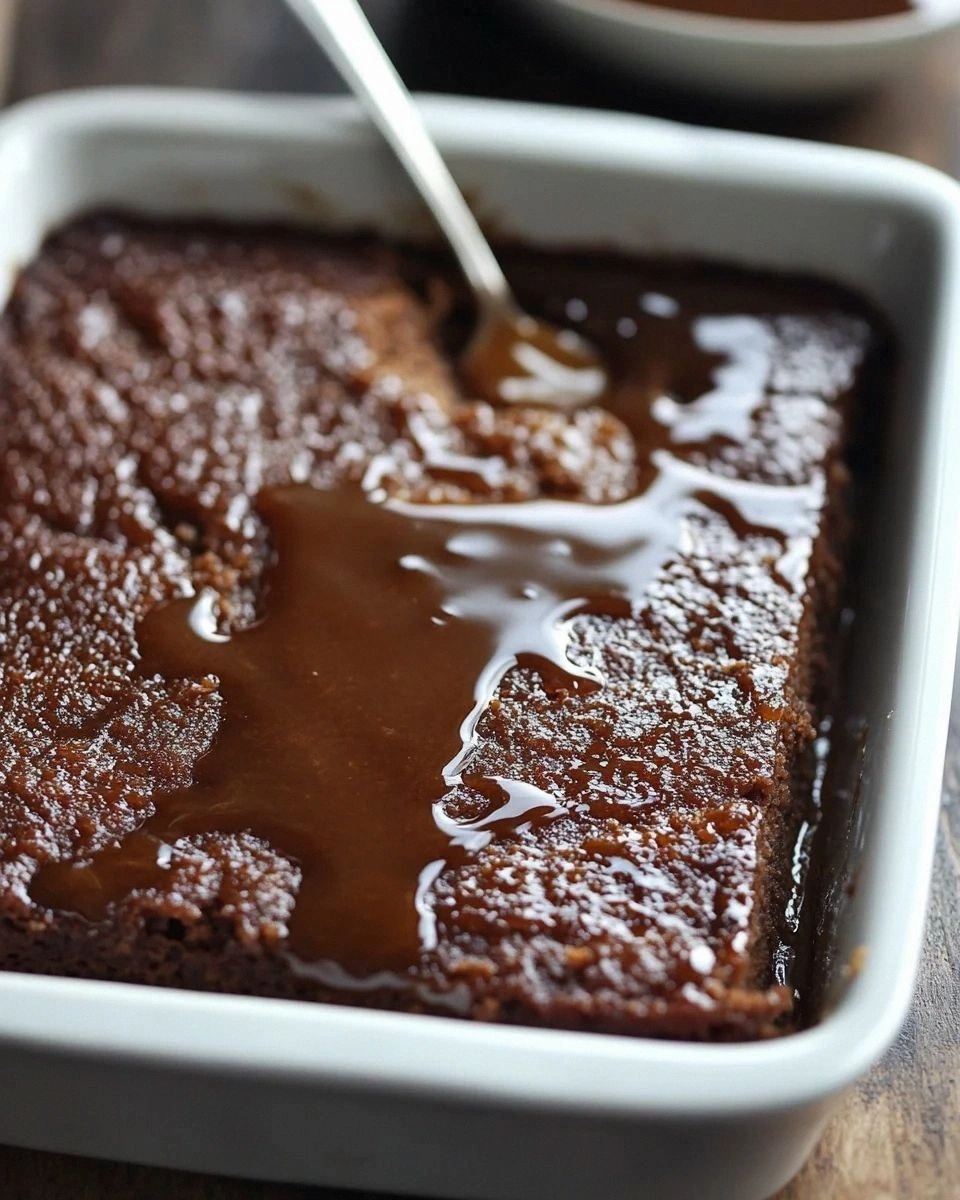
- When the pudding comes out of the oven, immediately poke holes all over it with a skewer or toothpick. This isn't optional — those holes are highways for the toffee sauce to seep into every bite. Pour about half the warm toffee sauce over the hot pudding and let it soak in. The sauce will disappear into the holes, creating pockets of caramel throughout. Reserve the remaining sauce for serving. Let the pudding cool for at least 15 minutes before serving — this allows the sauce to set slightly and prevents molten sugar burns. Serve warm with the extra sauce drizzled over the top.
That's it — you did it. But hold on, I've got a few more tricks that'll take this to another level...
Insider Tricks for Flawless Results
The Temperature Rule Nobody Follows
Here's a secret that separates the pudding pros from the wannabes: everything needs to be at the right temperature before you start mixing. Your eggs should be room temperature, your butter properly softened, and your cream for the sauce shouldn't be ice-cold from the fridge. Why? Cold ingredients don't incorporate smoothly, leading to a curdled batter or broken sauce. I take everything out of the fridge 30 minutes before I start cooking. If you're impatient (I get it), you can speed things up by placing eggs in warm water for 5 minutes and cutting butter into small pieces to soften faster.
Why Your Nose Knows Best
Don't rely solely on timers — your nose is one of the best tools for knowing when this pudding is perfectly baked. When it's ready, your kitchen will fill with the most intoxicating aroma of caramel, vanilla, and butter. It's like a dessert perfume that makes everyone in the house suddenly appear in the kitchen. The smell should be rich and sweet but not sharp or burnt. If you catch a whiff of something that smells like it's on the edge of burning, check your pudding immediately. This aromatic checkpoint has saved me from overbaked pudding more times than I can count.
The 5-Minute Rest That Changes Everything
After pouring that first round of toffee sauce over the hot pudding, walk away. Seriously, set a timer for 5 minutes and resist the urge to poke, prod, or taste. This rest period allows the sauce to penetrate deep into the pudding, creating those signature pockets of caramel that make every bite a surprise. It also lets the pudding set slightly, making it easier to cut clean portions. I use this time to make coffee or set out serving dishes, anything to keep my hands busy while the magic happens.
Storage That Actually Works
Here's a confession: I deliberately make extra pudding because it transforms into something even more magical after a night in the fridge. The flavors deepen and meld, and the texture becomes denser and more fudgy. Wrap individual portions tightly in plastic wrap and refrigerate for up to 5 days. To reheat, microwave for 20-30 seconds until just warm — overheating dries it out. The sauce keeps separately for up to a week in the fridge, and you can warm it with a splash of cream to restore its pourable consistency.
The Serving Temperature Sweet Spot
This pudding is best served warm but not hot — think cozy, not molten. If it's too hot, the toffee sauce just runs off instead of clinging to each bite. Too cold and you lose that glorious contrast between the warm, soft pudding and the silky sauce. I aim for about 15 minutes out of the oven, or 30 seconds in the microwave if reheating. The pudding should feel warm to the touch but comfortable enough to eat immediately. Serve it in shallow bowls rather than plates — the sauce needs somewhere to pool while you work your way through each decadent bite.
Creative Twists and Variations
This recipe is a playground. Here are some of my favorite ways to switch things up:
Bourbon Bonanza
Add 2 tablespoons of good bourbon to the toffee sauce for a grown-up twist that adds incredible depth. The alcohol cooks off, leaving behind notes of vanilla and oak that complement the caramel perfectly. I've served this version to bourbon-loving friends who declared it life-changing. Just add the bourbon after the cream, then simmer for an extra minute to cook off the harsh alcohol notes.
Chocolate Lover's Dream
Replace 1/4 cup of flour with good quality cocoa powder for a chocolate version that's like a sophisticated chocolate cake meets sticky toffee pudding. The chocolate adds bitterness that balances the sweetness beautifully. I like to add a handful of dark chocolate chips to the batter for pockets of molten chocolate. Serve with vanilla ice cream instead of extra toffee sauce for the ultimate chocolate-caramel combo.
Nutty Affair
Fold in 1/2 cup of toasted, chopped pecans or walnuts to the batter for added texture and earthy flavor that cuts through the sweetness. Toast the nuts first in a dry pan until fragrant — this step is crucial for developing their flavor. The nuts add a delightful crunch that contrasts beautifully with the soft pudding. I particularly love this version in autumn when nuts are at their peak freshness.
Salted Caramel Sensation
Add 1/2 teaspoon of flaky sea salt to the toffee sauce for that trendy salted caramel flavor that makes taste buds sing. The salt enhances all the flavors and keeps the sweetness from becoming cloying. Finish with an extra sprinkle of salt on top just before serving for those gorgeous flavor pops. This version is particularly good for people who claim they "don't like sweet desserts."
Spiced Winter Warmer
Add 1 teaspoon of mixed spice or pumpkin pie spice to the flour for a festive version that's perfect for holiday gatherings. The warm spices complement the dates and brown sugar beautifully, creating a dessert that tastes like Christmas morning. I serve this version with a splash of rum in the toffee sauce for an extra warming kick. It's become my go-to for winter dinner parties.
Individual Portions
Pour the batter into greased muffin tins for individual sticky toffee puddings that are perfect for dinner parties. Reduce the baking time to 15-18 minutes and check frequently. These mini versions are dangerously easy to eat and look incredibly sophisticated on dessert plates. They're also easier to portion control, though I won't judge if you have two (or three).
Storing and Bringing It Back to Life
Fridge Storage
Once completely cooled, wrap the pudding tightly in plastic wrap and store in the refrigerator for up to 5 days. I actually prefer it on day 2 or 3 when the flavors have had time to meld and deepen. The texture becomes more fudgy and dense in the best possible way. Store the toffee sauce separately in a jar or container — it will thicken in the fridge but loosens up beautifully when reheated. Always bring both components back to room temperature before reheating for the best results.
Freezer Friendly
This pudding freezes beautifully, making it perfect for making ahead of busy periods. Cut into individual portions and wrap each piece tightly in plastic wrap, then aluminum foil. Freeze for up to 3 months. Thaw overnight in the refrigerator, then reheat according to your preference. The sauce can also be frozen in ice cube trays for perfect single-serving portions. I always keep a few portions in my freezer for dessert emergencies (which, let's be honest, happen more often than they should).
Best Reheating Method
For the best results, reheat individual portions in the microwave for 20-30 seconds until just warm. Add a tiny splash of water before microwaving — this creates steam that helps restore the pudding's original moisture. For the sauce, warm it gently in a small saucepan with a tablespoon of cream or milk to restore its pourable consistency. Avoid overheating both components, as this can dry out the pudding and cause the sauce to separate. If you're reheating a large portion, cover with foil and warm in a 300°F oven for 10-15 minutes.