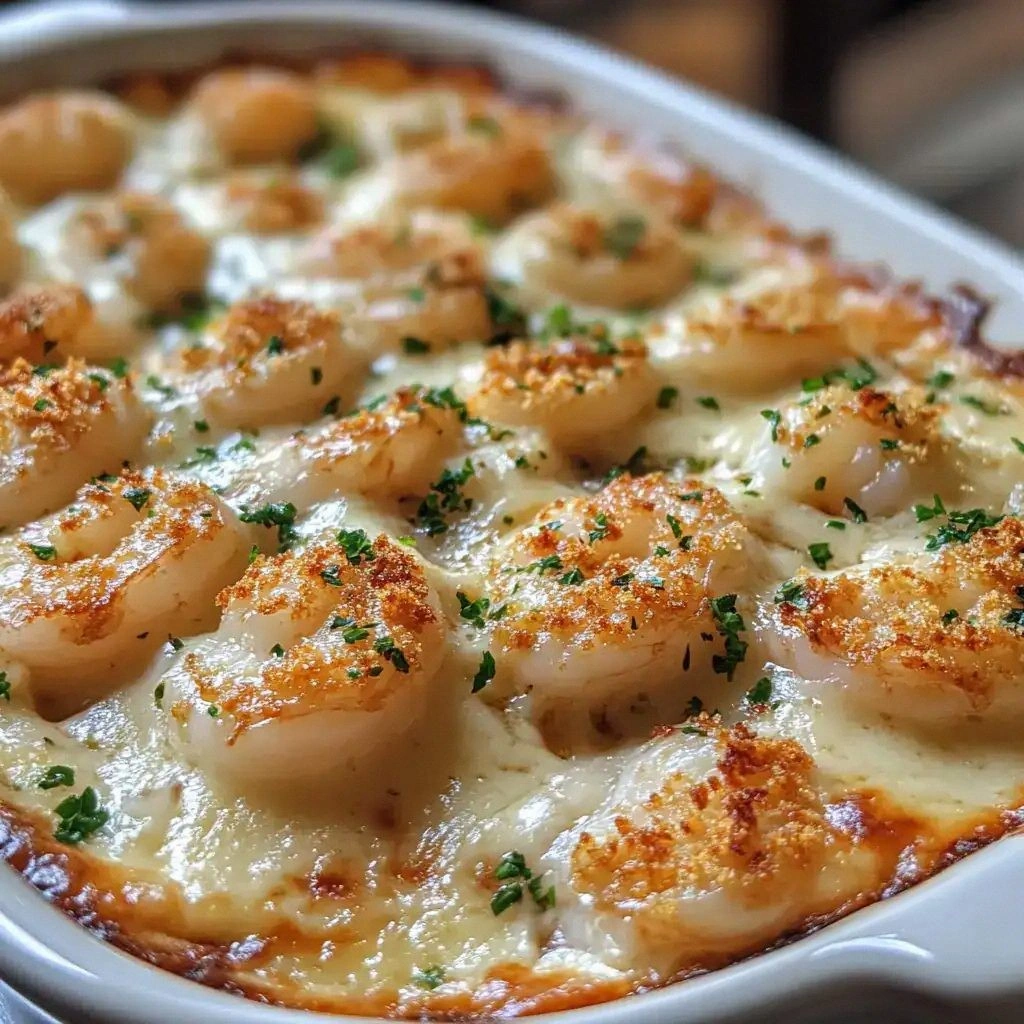
I still remember the night I ruined three batches of garlic shrimp before stumbling into this masterpiece. It was one of those evenings when the rain wouldn't quit, the fridge held nothing but desperation, and my best friend had bet me twenty bucks I couldn't make restaurant-quality seafood gratin in my shoebox kitchen. The first attempt emerged watery and sad, the second tasted like I'd seasoned it with ocean floor, and the third? Let's just say the smoke alarm got dinner before I did. But then something magical happened — I stopped following the rules everyone swore by and started trusting my senses instead. The result was this absurdly creamy, outrageously cheesy garlic shrimp gratin that had me standing at the counter, burning my tongue on molten cheese because I couldn't wait for it to cool.
Picture this: plump shrimp nestled in a garlicky cream sauce so luxurious it coats your spoon like liquid velvet, topped with a golden cheese crust that shatters under your fork to reveal bubbling layers of mozzarella, Parmesan, and that sneaky bit of Gruyère that makes grown adults close their eyes and hum. The aroma hits you first — butter and garlic doing their ancient dance, the sweet brininess of perfectly cooked shrimp, and that nutty, toasted cheese smell that should probably be illegal in apartment buildings after 10 PM. Your neighbors will knock. Your family will hover. And you'll find yourself making excuses to "check if it needs more time" just so you can steal another spoonful of sauce.
Here's the thing that separates this recipe from every other seafood bake out there: we treat the shrimp like the delicate treasures they are instead of rubbery afterthoughts. No overcooked, curled-up crustaceans drowning in flour-thickened sadness. Instead, we build flavors layer by layer, starting with a garlic butter that would make French grandmothers weep, then creating a cream sauce so stable it won't break even if you get distracted by that group chat blowing up your phone. The cheese blend isn't just thrown together willy-nilly either — it's calculated for maximum melt, stretch, and that gorgeous bronzed top that cracks like crème brûlée.
But the real secret? It's embarrassingly simple once you know the technique, takes under an hour from fridge to table, and uses ingredients you probably already have lurking around. No fancy wine reductions, no mysterious French techniques, just pure, unadulterated comfort food that happens to taste like you spent culinary school tuition on it. Let me walk you through every single step — by the end, you'll wonder how you ever made it any other way.
What Makes This Version Stand Out
Butterfly Technique: Instead of throwing whole shrimp into the dish, we butterfly them so they cook evenly and catch all that garlicky cream in their little pockets. This means no rubbery tails, no undercooked centers, just perfectly tender shrimp that taste like they've been personally seasoned by the seafood gods themselves.
Three-Cheese Alchemy: Parmesan for umami depth, mozzarella for that Instagram-worthy cheese pull, and Gruyère for nutty sophistication. Most recipes stop at one or two cheeses, but this trio creates a flavor symphony that makes each bite slightly different from the last. It's like cheese roulette, except everyone wins.
No Flour, No Problem: Traditional gratins use flour-thickened béchamel that can taste pasty and heavy. We skip it entirely, letting the cream reduce naturally while the cheeses create their own binding matrix. The result is lighter, silkier, and won't sit in your stomach like a culinary brick.
Garlic Two Ways: Minced garlic sautéed in butter for the base, plus a whisper of garlic powder in the cheese topping for layered flavor. It's not overwhelming — it's strategic. Like garlic warfare, but make it sophisticated.
Make-Ahead Magic: Assemble the whole thing up to 24 hours ahead, keep it chilled, then bake when guests arrive. The flavors actually improve as they mingle in the fridge, making you look like a planning genius even if you threw it together at midnight.
Restaurant Quality, Home Budget: Using frozen shrimp (properly thawed) and supermarket cheese, this feeds four people for what one appetizer would cost at a fancy restaurant. But taste it blindfolded and you'd swear it came from a white-tablecloth kitchen with astronomical prices.
One-Pan Wonder: Everything happens in a single oven-safe skillet, meaning minimal cleanup and maximum flavor since nothing gets lost transferring between dishes. Because washing dishes is nobody's love language, especially after cooking something this good.
Inside the Ingredient List
The Flavor Base
Butter matters more than you'd think in this dish. Use the good stuff — European-style with higher fat content — because it's carrying the garlic flavor and you want every bit of richness possible. Salted or unsalted works; just adjust your seasoning accordingly. The butter should foam gently when it hits the pan, turning golden but never brown, creating the perfect canvas for our garlic confit moment.
Garlic is the soul here, so don't even think about that pre-minced jar stuff. Fresh cloves, minced fine enough to melt into the sauce but not so fine they burn. Four cloves might seem like overkill, but cream and cheese are heavy canvas materials — they need bold brushstrokes. If your garlic sprouts green centers, remove them; they bring bitterness that no amount of dairy can hide.
The Texture Crew
Heavy cream isn't negotiable, sorry not sorry. Milk will curdle, half-and-half will separate, and your beautiful gratin will look like a science experiment gone wrong. You want cream with at least 36% fat content — it should coat the back of a spoon and leave a clean line when you run your finger through it. This is what gives you that luxurious mouthfeel that makes people close their eyes involuntarily.
The shrimp are obviously the star, but here's what nobody tells you: size matters less than freshness. A pound of medium shrimp perfectly cooked beats jumbo ones turned to rubber every single time. If using frozen (which is totally fine — most "fresh" shrimp was frozen anyway), thaw them in milk. Yes, milk. It pulls out any fishy flavors and leaves them tasting like they were swimming yesterday.
The Unexpected Star
Gruyère is technically optional, but leaving it out is like going to Paris and skipping the Eiffel Tower. It brings this nutty, slightly sweet complexity that makes people ask "what's in this?" in the best way. Can't find Gruyère? Swiss works, or even a young provolone. Just avoid pre-shredded cheese — it's coated with cellulose that prevents smooth melting and your sauce will end up gritty like bad coffee.
The Final Flourish
Parsley isn't just for color — it's your fresh counterpoint to all that richness. Chop it just before serving so it stays vibrant. The stems actually have more flavor than the leaves, so don't be precious about only using the pretty parts. A quick chiffonade of fresh basil works too if parsley feels too pedestrian.
Breadcrumbs are optional but transformative. They create this crispy, golden crust that provides textural contrast to the creamy interior. Use panko for maximum crunch, seasoned with a touch of garlic powder and melted butter. They should sizzle when they hit the hot cream — that's how you know they'll toast properly instead of just turning soggy.
Everything's prepped? Good. Let's get into the real action...
The Method — Step by Step
- Start with your shrimp prep because this sets the stage for everything else. If they're frozen, run them under cold water until they bend easily — never use warm water or you'll start cooking them prematurely. Pat them absolutely dry with paper towels; water is the enemy of good searing. Now here's the game-changer: butterfly them by cutting halfway through the back, but don't go all the way through. You're creating little pockets that will cradle the sauce like edible spoons. Season with just salt and pepper at this stage — no need to get fancy when we're building layers of flavor later.
- Heat your largest oven-safe skillet over medium heat — I mean the biggest one you own because we're making this a one-pan wonder. Add the butter and watch it like a hawk. It should foam gently and start smelling nutty, but pull it back if it browns. We're not making brown butter here (though that would be delicious in another recipe). When the foaming subsides, that's your cue for the garlic. Add it all at once and stir constantly for exactly 45 seconds. Yes, I timed it. Longer and it burns, shorter and it stays harsh. Your kitchen should smell like you've been transported to a trattoria in Rome.
- Now pour in the cream but don't just dump it — drizzle it around the pan so it picks up all those garlicky butter bits stuck to the sides. Bring it to the gentlest simmer you've ever seen. Tiny bubbles should appear at the edges like they're shy about the whole thing. This is where patience pays off. Let it reduce by about a third, stirring occasionally with a wooden spoon. The cream will thicken and coat the back of the spoon. Drag your finger through it — if the line holds, you're golden. If it runs back together, give it another minute.
- Time for the cheese symphony. Turn the heat to low — lower than you think it needs. Add the Parmesan first, whisking constantly until it melts completely. The sauce will thicken and turn silky. Now the mozzarella, but here's the trick: tear it into small pieces rather than shredding. This creates those gorgeous cheese pulls and prevents it from clumping into rubbery balls. Finally, if you're using Gruyère, add it now and stir just until melted. The sauce should be thick enough to coat the shrimp but still pourable. If it's too thick, loosen with a splash of milk. Too thin? Let it simmer another minute.
- Nestle those butterflied shrimp into the sauce like you're tucking them into the most luxurious bed they've ever known. They should fit snugly in a single layer, cut-side down so they cook evenly. Push them down slightly so they're mostly submerged — they'll curl as they cook, creating perfect little cups for catching sauce. Sprinkle with just a touch more salt and pepper, but go easy because the cheeses bring saltiness too. Now resist every urge to stir. Let them sit undisturbed for exactly 2 minutes. This sets the bottom so they don't overcook later.
- Preheat your broiler now, even though we're not ready for it yet. Broilers are like teenagers — they need time to warm up before they perform. If your broiler has settings, go with high. Position a rack about 6 inches from the heating element. This is also when you'd add breadcrumbs if using. Mix them with a tablespoon of melted butter and a pinch of garlic powder, then sprinkle evenly over the top. They should form a loose blanket, not a dense carpet. You want sauce peeking through because that's what creates the gorgeous bubbling edges.
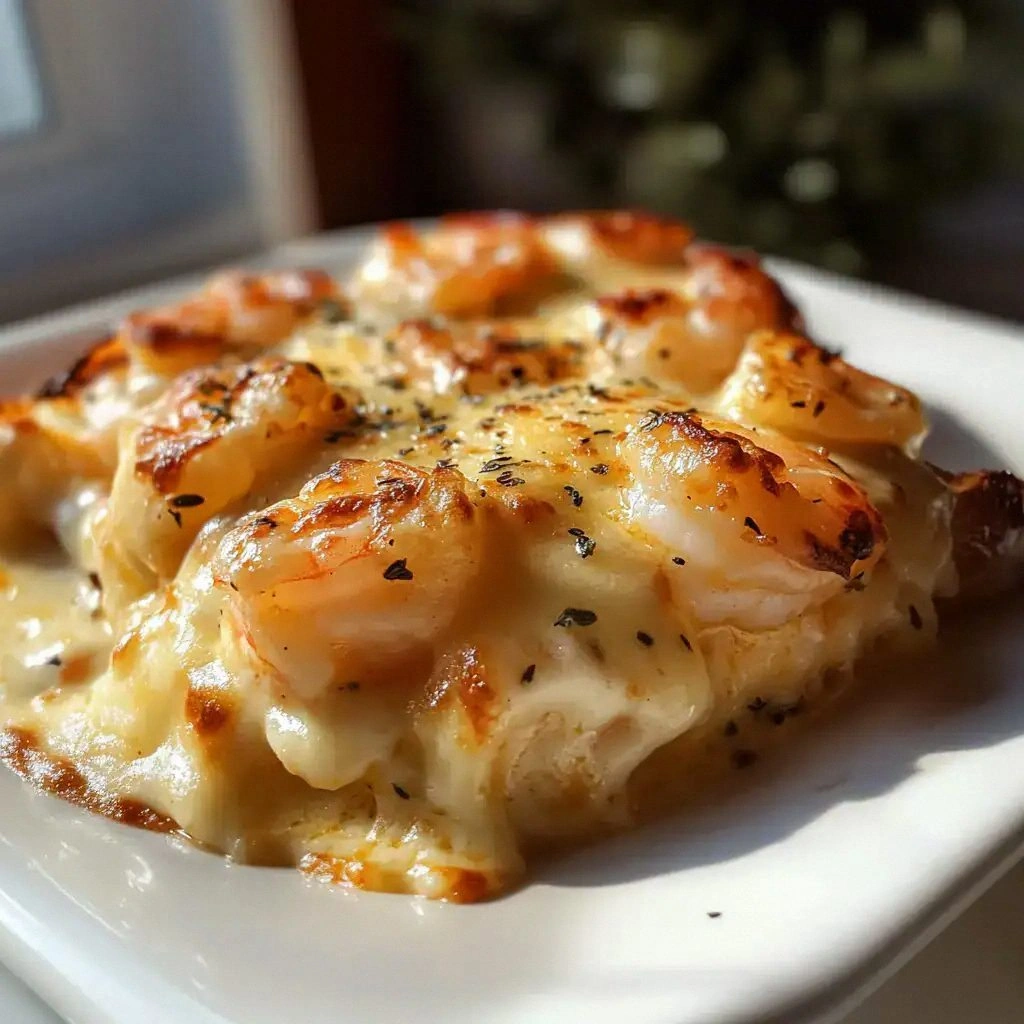
- Into the oven it goes for the final transformation. Broil for 3-5 minutes, but don't walk away. Seriously, set a timer for 2 minutes and then watch like it's the season finale of your favorite show. The top should turn golden brown in spots, the cheese should bubble up around the edges, and the breadcrumbs (if using) should toast to a deep amber. Rotate the pan if your broiler heats unevenly — most do. When it's done, the shrimp will be pink and curled into perfect crescents, the sauce will be bubbling like hot lava, and your kitchen will smell like you should charge admission.
- The hardest part: waiting. Let it rest for exactly 5 minutes. I know, I know, it smells incredible and you're starving. But those 5 minutes let the sauce thicken slightly and prevent you from burning your mouth like a hungry toddler. Garnish with parsley now so it wilms just a bit from the heat but stays vibrant. Serve directly from the skillet if you're going for rustic charm, or transfer to individual gratin dishes if you want to feel fancy. Either way, make sure everyone gets some of that golden crust and plenty of the creamy sauce underneath.
That's it — you did it. But hold on, I've got a few more tricks that'll take this to another level...
Insider Tricks for Flawless Results
The Temperature Rule Nobody Follows
Room temperature ingredients aren't just chef snobbery — they're the difference between smooth, emulsified sauce and a broken, greasy mess. Take your cream out of the fridge 30 minutes before cooking. Cold cream hitting hot butter will seize up like a scared turtle. Same with cheese: let it sit out while you prep everything else. Grate it yourself while you're at it because pre-shredded cheese is coated with anti-caking agents that prevent smooth melting. Your sauce will be so silky, you'll want to write poetry about it.
Why Your Nose Knows Best
That moment when the garlic hits the butter? It's not just about timing — it's about aroma. When the sharp, raw garlic smell transforms into something sweet and nutty, that's your cue to add the cream. Too early and the garlic stays harsh, too late and it burns bitter. Trust your nose over the clock. Same with the cheese: when you can smell the nuttiness of the Gruyère or the sweetness of the mozzarella, it's perfectly melted. Your nose is a more sophisticated instrument than any timer.
The 5-Minute Rest That Changes Everything
Here's what separates good home cooks from great ones: understanding carryover cooking. When you pull that skillet from the oven, the shrimp are still cooking from residual heat. Let it rest those 5 minutes and magic happens — the shrimp finish gently, the sauce thickens to the perfect consistency, and the flavors meld like they've been friends for years. A friend once asked why restaurant food tastes better even when using the same recipe. This rest period is 90% of that answer.
The Cheese Order Secret
Always add cheese from hardest to softest. Parmesan first because it needs heat to melt properly and brings saltiness. Mozzarella second because it melts quickly and creates structure. Gruyère last because it's delicate and can turn grainly if overheated. This sequence ensures each cheese contributes its best qualities without the sauce breaking. Skip this order and you'll get stringy mozzarella that refuses to incorporate or grainy Gruyère that ruins the texture.
The Shrimp Size Sweet Spot
Forget the "bigger is better" mentality. Large shrimp (31-35 per pound) are the Goldilocks size here — big enough to stay juicy through the oven time but small enough to cook evenly and absorb flavor. Jumbo shrimp end up with overcooked outsides and raw centers. Medium shrimp (41-50 per pound) work if that's what you have, but reduce the broiling time by a minute. And please, for the love of all that's holy, remove the vein. It's not dangerous, but it's gritty and absorbs flavors differently than the sweet meat.
Creative Twists and Variations
This recipe is a playground. Here are some of my favorite ways to switch things up:
The Mediterranean Escape
Swap half the cream for good quality canned tomatoes, add a handful of chopped Kalamata olives and some crumbled feta on top. The tomatoes brighten everything, the olives bring briny punch, and the feta creates salty little pockets that make each bite a treasure hunt. Finish with fresh oregano instead of parsley. It tastes like you're dining on a Greek island, even if you're actually in a studio apartment overlooking a parking lot.
The Spicy Coastal Kick
Add a diced jalapeño with the garlic, swap the Gruyère for pepper jack, and finish with a squeeze of lime and some fresh cilantro. The cream tames the heat so it's warm and tingly rather than face-melting. Serve with crusty bread for mopping up the spicy sauce. This version has converted more "I don't like spicy food" people than I can count — it's got kick but won't send you running for milk.
The Surf and Turf Deluxe
Brown some diced pancetta first, remove it, then proceed with the recipe. Sprinkle it back in with the shrimp. The pancetta adds smoky depth and little salty bursts throughout. Use smoked mozzarella for extra complexity. It's like bacon and shrimp had a beautiful baby raised in the Italian countryside. Rich? Absolutely. Worth it? Every single calorie.
The French Onion Fusion
Caramelize onions until they're deep mahogany, then layer them in the bottom of your dish before adding the shrimp and sauce. Swap the Gruyère for Comté and add a splash of dry sherry to the cream. It tastes like French onion soup and shrimp gratin had a romantic evening together. The sweet onions play beautifully against the briny shrimp, and the Comté brings nutty complexity that regular Swiss can't match.
The Low-Carb Comfort
Skip the breadcrumbs and serve over cauliflower rice or zucchini noodles. The sauce is so rich and flavorful that you won't miss the starch. Add extra Parmesan for body and some chopped fresh thyme for earthiness. It's comfort food that won't put you in a carb coma, perfect for those nights when you want indulgence without the food baby.
The Brunch Transformation
Add some quartered artichoke hearts and a handful of spinach to make it vegetable-forward. Serve with crusty bread and a crisp white wine, and suddenly it's a sophisticated brunch dish. The artichokes bring tang that cuts through the richness, while the spinach wilts into the sauce adding color and nutrients. Your brunch guests will think you're a culinary genius, even if you're still in your pajamas.
Storing and Bringing It Back to Life
Fridge Storage
Cooled completely and stored in an airtight container, this gratin keeps for up to 3 days in the refrigerator. Press plastic wrap directly against the surface to prevent a skin from forming. The sauce will thicken considerably when cold — that's normal and actually helps it reheat better. Don't be tempted to freeze it; the cream sauce will break and turn grainy upon thawing, and the shrimp will get that unfortunate rubbery texture that makes you question your life choices.
Freezer Friendly
Actually, forget what I just said — you CAN freeze this if you're smart about it. Undercook the shrimp by a minute, cool completely, then freeze in individual portions. The key is reheating low and slow: 275°F covered with foil until just heated through. It's not quite as perfect as fresh, but it's miles better than most freezer meals. Label it clearly or you'll play "mystery casserole" in a few months.
Best Reheating Method
Oven reheating is the only way here. Cover with foil and warm at 300°F for about 15 minutes, removing the foil for the last 3 minutes to crisp the top. Add a tiny splash of cream or milk before reheating — it brings back the luxurious texture. Microwave is criminal — it turns the shrimp rubbery and the sauce grainy. If you're desperate, microwave at 50% power in 30-second bursts, stirring between each, but know that you're compromising greatness for convenience.