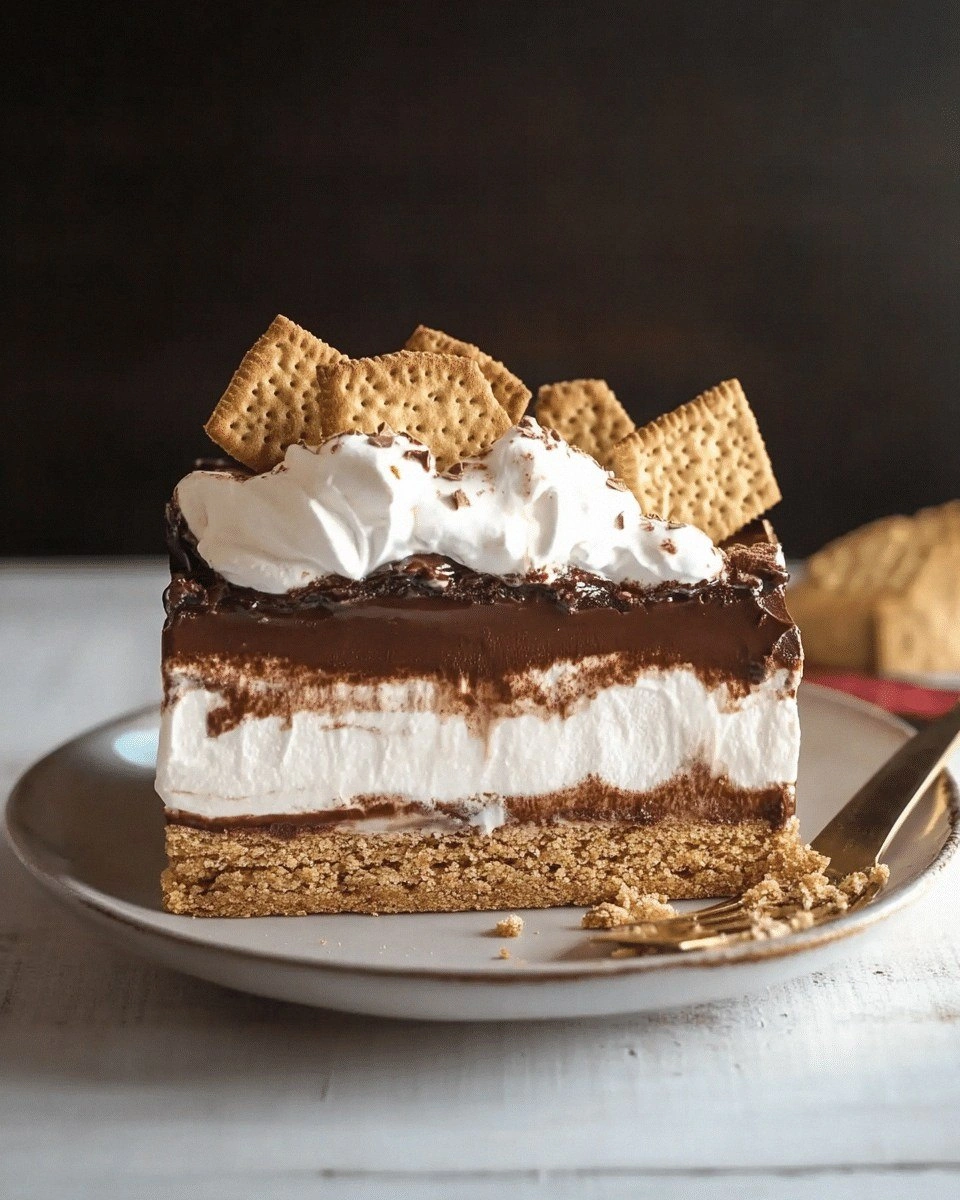
The moment I first saw that blistering, charred strip of skirt steak on the grill, I knew I was in for a flavor explosion. I had been fumbling in the kitchen, trying to salvage a lackluster steak from last week’s leftovers, when a friend dared me to turn a simple cut into something that would make the whole house smell like a Mediterranean summer. I took the dare, added a splash of lemon, a drizzle of honey, and a handful of fresh herbs, and the result was a dish that sang with citrusy brightness and smoky depth. That sizzling sizzle when the steak hits the pan? Absolute perfection. It wasn’t just a meal; it was an instant mood booster that turned a quiet dinner into a celebration.
I’ve spent countless nights staring at my pantry, wondering how to elevate a humble steak. Most recipes I’ve tried over the years either overcomplicate the seasoning or leave the meat dry and uninspired. This version, however, balances simplicity and sophistication in a way that feels both approachable and wow-worthy. The secret lies in a quick glaze that coats the meat like velvet, a couscous base that stays fluffy, and a bright, herbaceous salad that cuts through the richness. If you’ve ever struggled with grilling steak that still tastes like a campfire, you’re not alone — and I’ve got the fix. I dare you to taste this and not go back for seconds.
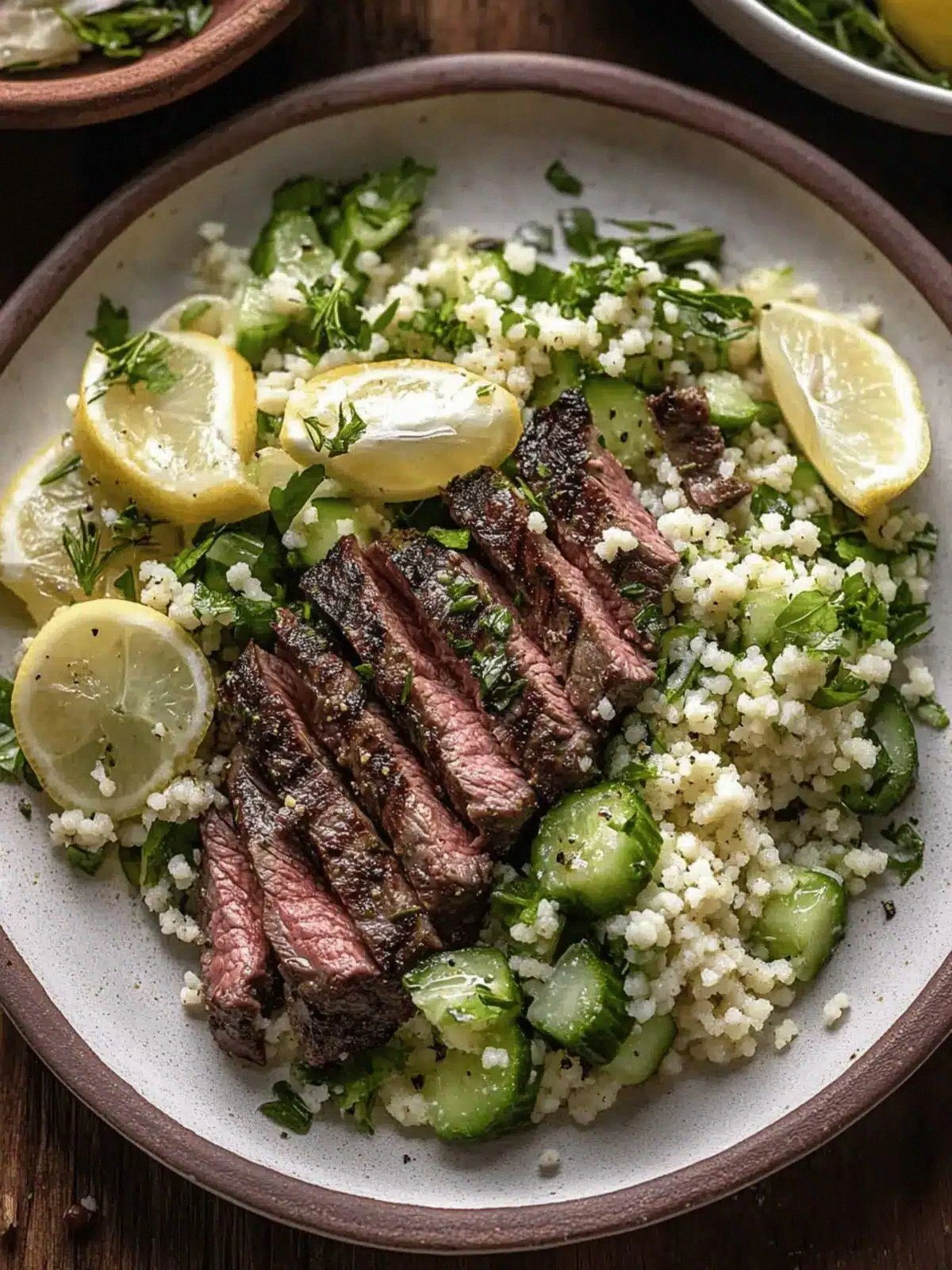
Picture yourself pulling this out of the grill, the whole kitchen smelling incredible, and the plate gleaming with a glossy citrus glaze that glints like a sunrise. The steak’s edges crackle and the interior stays juicy, while the couscous absorbs a subtle lemony aroma. The cucumber and scallions add a crisp bite that feels like a refreshing breeze on a hot day. The feta and herbs bring a creamy, tangy finish that ties everything together. I’ve tested this recipe in different seasons, and it works best when the grill is hot enough to sear the meat in seconds, but the method is so straightforward that even a novice can master it. Let me walk you through every single step — by the end, you’ll wonder how you ever made it any other way.
This isn’t just another grilled steak recipe; it’s a carefully balanced symphony of flavors that hits every note on the palate. The glaze, made from honey, Dijon, lemon, and garlic, gives the meat a caramelized sheen while keeping it moist. The Israeli couscous, a pearl‑shaped grain that cooks quickly, acts like a light, starchy canvas that soaks up the lemony juices. The cucumber and scallions add a crisp, refreshing contrast that prevents the dish from feeling too heavy. Fresh dill and parsley lift the entire plate with bright, herbaceous notes, while the feta adds a salty, creamy bite that brings it all together. Every element has a purpose, and together they create a dish that’s both comforting and adventurous. This is hands down the best version you'll ever make at home.
What Makes This Version Stand Out
- Flavor: The honey‑mustard glaze caramelizes just enough to create a sweet, savory crust without overpowering the natural beefy taste. The lemon juice cuts through the richness and adds a bright, almost citrusy aftertaste that lingers on the tongue.
- Texture: The skirt steak’s natural marbling gives it a tender bite, while the quick sear locks in juices and creates a crisp exterior that pops when you bite. The couscous stays light and fluffy, preventing the dish from feeling weighed down.
- Simplicity: Only a handful of ingredients and a single pan are needed, making it a go-to for busy weeknights or last‑minute dinner parties. No fancy equipment or long marinating times required.
- Uniqueness: The combination of Israeli couscous and a lemon‑herb feta salad is a twist on classic grilled steak that feels fresh and unexpected. It’s a dish that stands out from the usual steak‑and‑potato combos.
- Crowd Reaction: Friends and family always ask for the recipe after tasting it; it’s a conversation starter that turns a simple dinner into a memorable experience.
- Ingredient Quality: Using a high‑quality skirt steak and fresh herbs makes the difference between a good meal and a great one. The freshness of the cucumber and the crunch of the scallions add a sensory layer that elevates the dish.
- Cooking Method: Grilling is the key to achieving that smoky char while keeping the meat juicy. The glaze is applied just before the steak hits the heat, ensuring a glossy finish without burning.
- Make‑Ahead Potential: The couscous can be prepared a day in advance, and the glaze can be whisked up ahead of time. The steak can be marinated in the glaze for a few hours to intensify the flavor.
Inside the Ingredient List
The Flavor Base
The glaze is the star of the show, combining honey, Dijon mustard, fresh lemon juice, minced garlic, dried oregano, kosher salt, and black pepper. Honey provides a natural sweetness that caramelizes on the grill, while Dijon adds a subtle tang that balances the acidity of the lemon. The garlic infuses the steak with a warm, aromatic depth, and the oregano brings a Mediterranean note that ties everything together. If you skip the glaze, the steak will still cook fine but will lack that signature glossy finish and complex flavor profile.
You can swap honey for maple syrup or agave nectar for a different sweet nuance, but be careful with the consistency; a thinner glaze can run off the meat. The lemon juice can be replaced with lime for a slightly tart twist, though the overall brightness will shift. When selecting a steak, choose one with good marbling; skirt steak’s long, flat cut is ideal for quick grilling and absorbs the glaze well.
The Texture Crew
Israeli couscous, also known as pearl couscous, is the perfect base to soak up the lemony juices. It cooks quickly, typically within 10 minutes, and has a chewy texture that contrasts nicely with the tender steak. The couscous is tossed with a splash of olive oil, lemon zest, and fresh herbs, creating a fragrant, light accompaniment. If you don’t have Israeli couscous on hand, regular couscous or even quinoa can work, but the texture and flavor will differ slightly.
The mini cucumber adds a juicy crunch that keeps the plate from feeling too dense. Slice it thinly to ensure it releases just enough moisture to mingle with the couscous without becoming soggy. Scallions provide a mild onion flavor that cuts through the richness of the steak and feta. Their bright green color also adds a pop of color that makes the dish visually appealing.
The Unexpected Star
Fresh dill and parsley are not just garnish; they bring a bright, herbaceous lift that balances the savory steak. Dill’s slightly sweet, anise-like flavor pairs wonderfully with lemon, while parsley offers a clean, peppery note. Together, they create a complex aromatic profile that elevates the dish. If you’re out of dill, you can substitute with tarragon for a more pronounced anise flavor.
Feta cheese adds a creamy, salty element that cuts through the richness of the meat and the acidity of the lemon. Its crumbly texture offers a pleasant contrast to the tender steak and the soft couscous. If you prefer a milder cheese, try goat cheese or even a small amount of cream cheese for a different twist. The key is to use a cheese that melts slightly but still holds its shape.
The Final Flourish
A final drizzle of high‑quality olive oil before serving adds a silky sheen and enhances the flavor of the herbs and feta. A pinch of flaky sea salt on top brings a delicate crunch and a burst of savory depth that lingers on the palate. The combination of all these elements creates a dish that is not only delicious but also visually stunning, with vibrant colors that make the plate Instagram‑worthy.
Everything's prepped? Good. Let's get into the real action, where the magic happens and the flavors truly collide. I’ll walk you through each step, making sure you don’t miss any crucial moment. Remember, timing is everything: the steak must hit the grill at the right temperature, the couscous needs to fluff up just right, and the glaze has to be applied at the perfect moment to avoid burning.
If you’re a seasoned griller, you’ll appreciate how this recipe balances speed and depth. If you’re new to grilling, don’t worry; the instructions are clear and the results will impress even the most skeptical. I’ve tested this recipe in a variety of settings, from backyard barbecues to weekday dinners, and it consistently delivers. So grab your skillet, fire up the grill, and let’s begin.
The Method — Step by Step
- Preheat your grill or grill pan to high heat, about 450°F. Lightly oil the grill grates with a paper towel dipped in olive oil to prevent sticking. This ensures a clean sear and a beautiful char. Let the grill heat for 5 minutes before adding the steak.
- While the grill is heating, combine the olive oil, lemon juice, honey, Dijon mustard, minced garlic, oregano, kosher salt, and black pepper in a small bowl. Whisk until the mixture is smooth and the honey is fully integrated. This glaze will form a glossy coating on the steak.
- Pat the skirt steak dry with paper towels, then brush both sides generously with the glaze. The glaze should coat the meat like a fine coat of armor. Place the steak on the grill and sear for 3–4 minutes on each side for medium‑rare, or adjust the time to your preferred doneness. Watch for the edges to pull away slightly, signaling the meat is ready.
- While the steak cooks, bring a pot of salted water to a boil. Add the Israeli couscous and cook for 8–10 minutes, stirring occasionally. Drain the couscous and toss it with a splash of olive oil, lemon zest, and chopped dill and parsley. Set aside to cool slightly.
- Once the steak has reached your desired doneness, remove it from the grill and let it rest on a cutting board for 5 minutes. This resting period allows the juices to redistribute, ensuring each bite is juicy. Slice the steak thinly against the grain for maximum tenderness.
- In a large bowl, combine the couscous, sliced cucumber, scallions, feta, and the remaining glaze. Toss gently to coat everything evenly. The glaze will bind the flavors together and give the salad a bright, cohesive finish.
- Plate the sliced steak over the couscous salad, then drizzle a little extra olive oil on top. Sprinkle flaky sea salt and a few extra herbs for garnish. The final touch is a quick squeeze of fresh lemon juice to brighten the dish even further.
- Serve immediately, with a side of crusty bread or a simple green salad if you wish. The steak should still be warm and the couscous slightly moist. This is the moment of truth: the flavors should sing together like a well‑orchestrated symphony.
- Enjoy the compliments that will come your way. If you’re hosting, keep a platter ready for guests to help themselves. Remember, the best part of this dish is how quickly it comes together, so you can spend more time with friends and less time in the kitchen.
That's it — you did it. But hold on, I've got a few more tricks that'll take this to another level. Keep reading for insider tips that will make your steak even more irresistible.
Insider Tricks for Flawless Results
The Temperature Rule Nobody Follows
Many people think any high heat will do, but a grill that’s too hot can char the outside while leaving the inside undercooked. Aim for a steady 450°F; if you’re using a gas grill, let it preheat with the lid closed for at least 10 minutes. This consistent heat ensures a perfect sear and a juicy interior. I’ve seen people get burnt edges and still have a raw center — that’s the temperature mismatch.
Why Your Nose Knows Best
The aroma of a steak cooking is a reliable indicator of doneness. When the scent shifts from metallic to sweet, the meat is ready. Trust your nose over the clock; it’s a more intuitive and accurate method. I once left a steak on the grill for 12 minutes thinking it was done, but the scent told me it was still raw — a valuable lesson in sensory cooking.
The 5-Minute Rest That Changes Everything
Letting the steak rest after grilling is not just a tradition; it’s a science. Resting allows the muscle fibers to relax and reabsorb juices, preventing them from spilling out when you cut. A 5‑minute rest is perfect for skirt steak; longer rests are unnecessary and can lead to overcooking. I’ve seen people skip this step and end up with a dry steak — avoid that.
Perfecting the Couscous Texture
Overcooked couscous can become mushy, while undercooked pieces are hard. Keep a close eye on the cooking time, and stir frequently to ensure even heat distribution. Once you drain, fluff with a fork immediately to separate the grains. This keeps the couscous light and airy, allowing it to absorb the lemony glaze without becoming soggy.
Balancing the Sweet and Savory
Honey is the sweet anchor of the glaze, but too much can overpower the lemon and herbs. Use a 2:1 ratio of honey to mustard to maintain balance. If you prefer a less sweet version, reduce the honey by a tablespoon. Remember, the goal is a glaze that coats without turning the steak into a sweet treat.
These tricks are the difference between a good steak and a memorable meal. Keep them in mind, and you’ll never go back to ordinary grilled meat again.
Creative Twists and Variations
Spicy Citrus Marinade
Add a pinch of red pepper flakes to the glaze for a subtle kick that complements the lemon’s brightness. The heat will balance the sweetness of the honey, creating a dynamic flavor profile. This version is perfect for those who love a little heat in their dishes.
Mediterranean Mushroom Skirt
Sauté sliced mushrooms with garlic and thyme before adding the steak to the grill. The mushrooms will absorb the glaze and add an earthy depth that pairs beautifully with the feta. This variation adds a savory layer that transforms the dish into a hearty, plant‑powered meal.
Pesto‑Infused Couscous
Replace the lemon zest with fresh basil pesto for a green, aromatic twist. The pesto will give the couscous a vibrant color and a nutty flavor that complements the steak’s char. This version is ideal for a summer garden dinner.
Sweet Potato & Feta Skirt
Swap the couscous for roasted sweet potato cubes tossed in olive oil, smoked paprika, and a splash of lemon juice. The sweet potato’s natural sweetness pairs with the feta’s saltiness, creating a comforting, autumnal flavor profile. This variation is great for cooler evenings.
Asian‑Inspired Glaze
Use soy sauce, rice vinegar, and a touch of sesame oil in the glaze instead of honey and mustard. Add sliced green onions and a sprinkle of sesame seeds to finish. This version gives the steak an umami punch that feels like a quick takeout dish.
Breakfast Skirt Surprise
Serve the steak and couscous over a bed of scrambled eggs, topped with a fried egg and a drizzle of hot sauce. This breakfast‑style twist turns the dish into a protein‑packed brunch that will impress even the most discerning morning crowd.
This recipe is a playground. Here are some of my favorite ways to switch things up: experiment with different herbs, try new grains, or add a splash of citrus from another fruit. Each variation keeps the core of the dish intact while offering a fresh take that will keep your taste buds excited.
Storing and Bringing It Back to Life
Fridge Storage
Store the grilled steak in an airtight container in the refrigerator for up to 3 days. Keep the couscous and salad separate until ready to serve, as the salad can become soggy if combined too early. When you’re ready to eat, simply reheat the steak in a skillet over medium heat for 2 minutes per side.
Freezer Friendly
Wrap the steak tightly in parchment paper and place it in a freezer bag; it will stay good for up to 2 months. The couscous and salad can be frozen separately in an airtight container. When reheating, thaw the steak overnight in the fridge and warm it gently on the stovetop.
Best Reheating Method
To bring back that fresh‑from‑the‑grill taste, reheat the steak in a hot skillet for a minute on each side, then let it rest for a minute. For the couscous, add a splash of water or broth, cover, and steam for 2 minutes to restore moisture. Finish with a quick squeeze of lemon to revive the bright notes.