Okay, picture this: it’s a rainy Tuesday, you’ve just burned the last batch of toast, and the whole kitchen smells like regret and burnt butter. I was standing there, staring at a sad slab of bread, when my roommate dared me to “make something that feels like a hug but doesn’t take an hour.” I laughed, I accepted, and what emerged was the most comforting, melt‑in‑your‑mouth Japanese egg sandwich you’ll ever meet. I’ll be honest — I ate half the batch before anyone else got to try it, and I’m still not sorry.
The moment the first slice of Japanese milk bread hit the pan, a buttery hiss sang like a tiny choir of angels. The air filled with a sweet, buttery perfume that reminded me of a bakery in Osaka on a lazy Sunday. When the fluffy egg mixture hit the hot butter, it puffed up like a cloud, turning a buttery gold on the outside while staying custardy soft inside. You could hear the gentle crackle of the butter, feel the warm steam kiss your face, and taste that delicate balance of sweet, salty, and umami all at once.
What makes this version a game‑changer? Most recipes either over‑cook the egg, turning it rubbery, or they drown the sandwich in mayo until it feels like a mayo‑soup. I’ve cracked the code by using a precise low‑heat scramble, a whisper of sugar to coax out a subtle sweetness, and the legendary softness of Japanese milk bread that’s almost like eating a pillow. The secret? A splash of milk that keeps the eggs silky, and a quick butter‑sear that gives the bread a golden crust without making it soggy.
I’m about to reveal a technique that most home cooks overlook: the “soft‑flip” method, where you gently fold the egg mixture over itself instead of stirring vigorously. It creates those glorious, custard‑like ribbons that cling to the bread like velvet. I dare you to taste this and not go back for seconds. Let me walk you through every single step — by the end, you’ll wonder how you ever made it any other way.
What Makes This Version Stand Out
- Flavor Harmony: The pinch of sugar balances the salt and pepper, while Japanese mayo adds a subtle tang that sings with the egg’s richness.
- Texture Symphony: Creamy, custardy egg meets a lightly toasted, pillowy crust that yields a satisfying bite every time.
- Simplicity: Fewer than ten ingredients, no fancy gadgets, and a total time under an hour — perfect for a quick comfort fix.
- Unique Ingredient: Japanese milk bread (shokupan) is a secret weapon; its high‑milk content keeps the sandwich moist without falling apart.
- Crowd Reaction: Friends claim it’s “the best sandwich they’ve ever had,” and even the picky eaters beg for seconds.
- Ingredient Quality: Using Pete and Gerry’s Organic Eggs ensures a richer yolk, giving the sandwich a deeper, buttery flavor.
- Cooking Method: Low‑heat, gentle folding preserves the egg’s silkiness, unlike the high‑heat scramble that dries it out.
- Make‑Ahead Potential: The sandwich keeps beautifully for up to two days, making it an ideal lunch‑box hero.
Inside the Ingredient List
The Flavor Base
Pete and Gerry’s Organic Eggs are the heart of this sandwich. Their bright yellow yolks are packed with natural fats that give the custard its silkiness. If you substitute regular eggs, you’ll notice a flatter flavor and a less luxurious mouthfeel. Look for eggs with a deep orange yolk — that’s a sign of a well‑fed hen and more omega‑3s.
The Sweet‑Savory Bridge
A single tablespoon of sugar might sound like a whisper, but it does wonders. It softens the sharpness of the salt and pepper, letting the Japanese mayo’s umami shine. If you’re watching sugar, you can halve it, but the sandwich will lose that subtle caramel note that makes it unforgettable.
The Creamy Cohesion
Japanese mayonnaise isn’t just any mayo; it’s richer, sweeter, and has a silky texture that binds the egg mixture without overpowering it. It also adds a faint umami depth thanks to the rice‑vinegar base. In a pinch, you can use a high‑quality American mayo, but expect a slightly different flavor profile.
The Unexpected Star
Milk (or plant‑based milk) is the secret sauce that keeps the egg custard from turning rubbery. It adds a gentle creaminess that makes the sandwich feel like a warm hug. If you’re dairy‑free, oat milk works beautifully because of its natural sweetness and thick consistency.
The Texture Crew
Unsalted butter is the golden ticket for toasting the bread. It creates that crunchy, buttery crust while keeping the interior soft. If you’re looking for a lower‑fat option, try a light spread of olive oil, but you’ll miss the buttery aroma that makes this sandwich iconic.
The Final Flourish
A pinch of salt and ground black pepper are the finishing touches that awaken the palate. Too much, and you’ll drown the delicate custard; too little, and the sandwich feels flat. Freshly cracked pepper adds a subtle heat that dances with the sweet notes. And for those who love a pop of color, a tablespoon of finely chopped chives adds a fresh, oniony bite that lifts the whole experience.
Everything's prepped? Good. Let's get into the real action...
The Method — Step by Step
Gather all ingredients and set your workstation like a prep‑station in a Tokyo café. Crack the four organic eggs into a large bowl, add the tablespoon of sugar, a pinch of salt, and a pinch of ground black pepper. Whisk gently while slowly drizzling in the milk and Japanese mayo; the mixture should look glossy, like a satin ribbon. This is the moment of truth — the emulsion must be smooth, not lumpy.
Heat a non‑stick skillet over low‑medium heat and add the tablespoon of unsalted butter. As soon as the butter foams and begins to sizzle, you’ll hear that comforting “kiss” sound that says, “We’re about to get buttery.”
Kitchen Hack: Use a silicone spatula to spread the butter evenly; this prevents hot spots and ensures a uniform toast.Place the two slices of Japanese milk bread into the skillet, butter‑side down. Let them toast for about 45 seconds, or until the edges turn a light golden brown and you hear a faint crackle. Flip them quickly and set aside on a plate; the toasted side will later act as a barrier, keeping the egg from soaking in too much butter.
Reduce the heat to low and pour the egg mixture into the same skillet, spreading it thinly so it covers the surface like a delicate blanket. Let it sit untouched for 20‑30 seconds; you’ll see the edges start to set and pull away from the pan — that’s your cue that the bottom is perfectly cooked.
Now comes the “soft‑flip” technique: using a wide spatula, gently fold one side of the egg over the other, creating a half‑moon shape. The goal isn’t to scramble aggressively; you want those silky ribbons to stay intact.
Once folded, let it cook for another 30 seconds, then slide the soft custard onto a cutting board.Watch Out: If the heat is too high, the egg will brown and lose its custardy texture. Keep the flame low and be patient.While the egg is still warm, spread a thin layer of the remaining butter on the top side of each toasted bread slice. This extra butter layer adds a glossy finish and a subtle richness that makes each bite melt in your mouth.
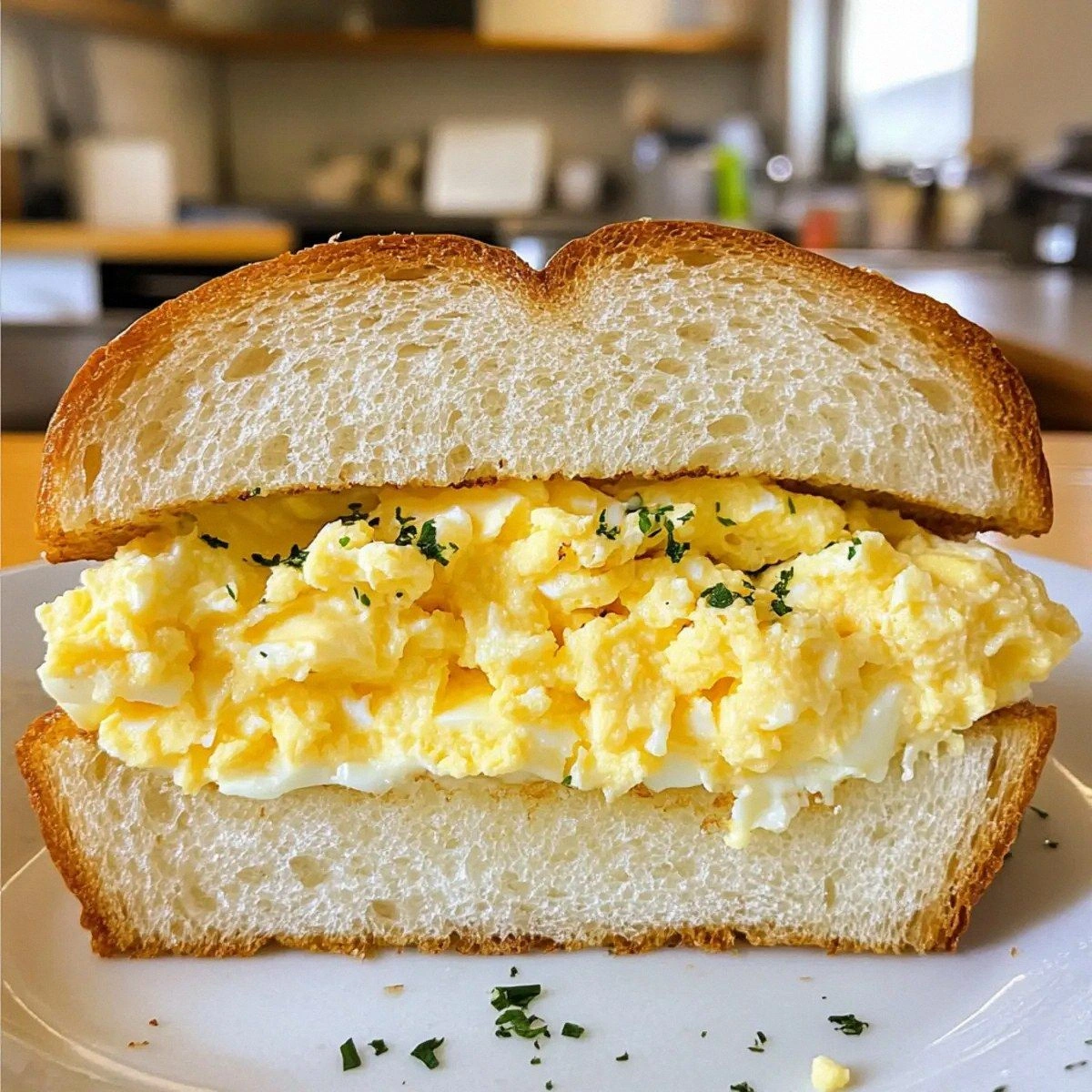
Place the warm egg custard on one slice of bread, spreading it evenly with a spatula. Sprinkle the chopped chives over the top if you’re using them — they’ll add a fresh, herbaceous pop that cuts through the richness.
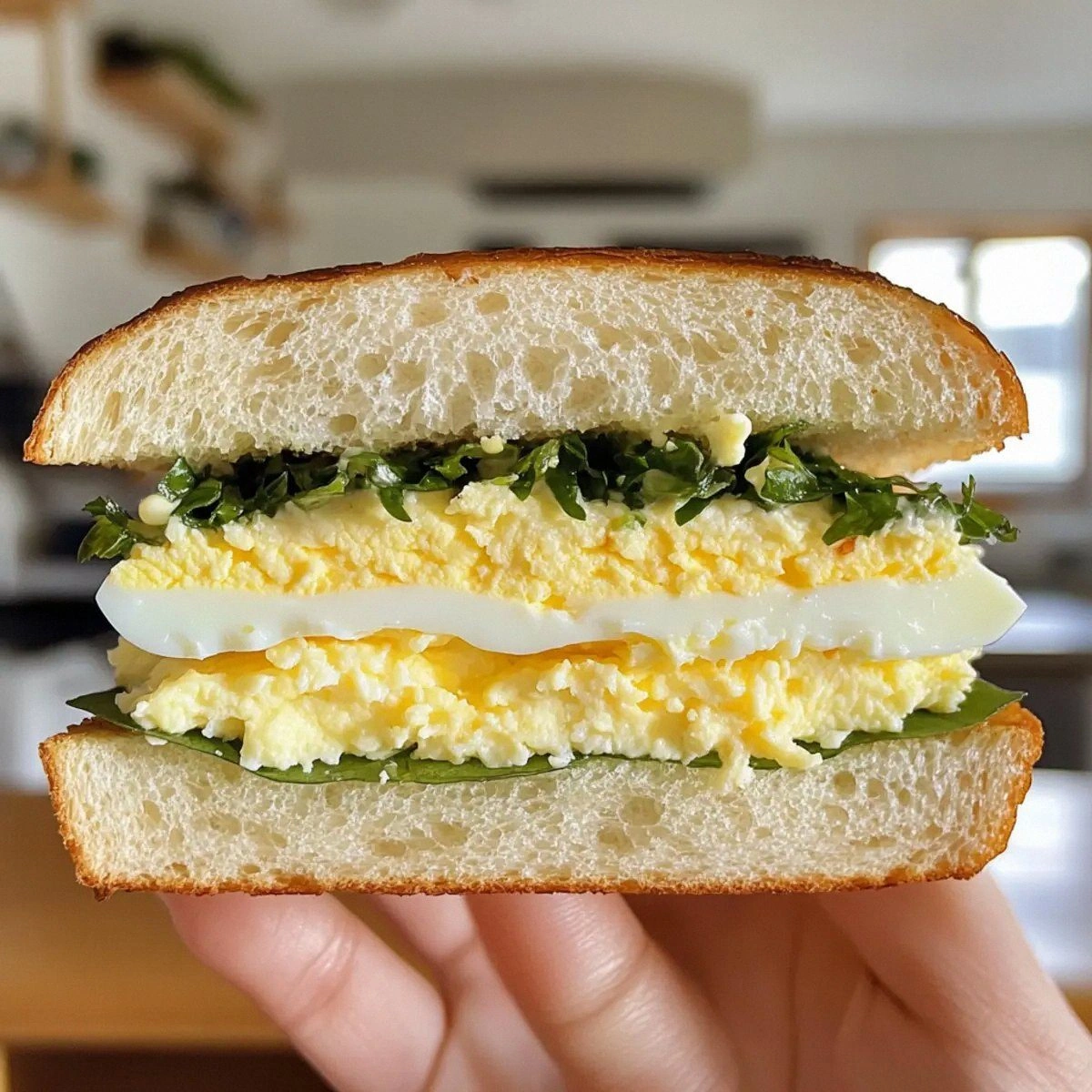
Top with the second slice of bread, buttered side up, and press gently. Slice the sandwich diagonally; the cut reveals those beautiful layers of custard, chives, and golden bread. The visual alone is enough to make anyone’s stomach growl.
Serve immediately while the sandwich is still warm, or wrap it in parchment and let it sit for a minute to allow the flavors to meld. That brief rest is pure magic — the butter softens just enough to coat the bread without making it soggy.
And now the fun part: bite in. That first mouthful should hit you with a buttery crunch, followed by a cloud‑like egg that’s sweet, salty, and just a touch tangy. I dare you to taste this and not go back for seconds. If you’ve ever struggled with a soggy egg sandwich, you’re not alone — and I’ve got the fix.
That's it — you did it. But hold on, I've got a few more tricks that'll take this to another level...
Insider Tricks for Flawless Results
The Temperature Rule Nobody Follows
Never cook the egg mixture on high heat. The low, steady temperature keeps the proteins from tightening too quickly, which is why you get that custardy texture instead of a rubbery scramble. A friend once cranked the stove to “max” and ended up with an egg “brick” that fell apart the moment she tried to slice it. Keep it low, and you’ll be rewarded with silky ribbons that melt on the tongue.
Why Your Nose Knows Best
When the butter hits the pan, listen for a gentle hiss, not a roar. That hiss means the butter is at the perfect melting point. If it starts to smoke, you’ve gone too far and the flavor will turn bitter. Trust your sense of smell; it’s the most reliable kitchen thermometer you have.
The 5‑Minute Rest That Changes Everything
After assembling, let the sandwich rest for exactly five minutes. This short pause allows the butter to redistribute, the egg to settle, and the chives to release their aroma. Skipping this step results in a sandwich that feels “hot” and slightly greasy. The rest is pure, understated magic.
Butter‑Brush Technique
Instead of dropping a lump of butter into the pan, brush the pan with melted butter using a pastry brush. This ensures an even coating and prevents pockets of burnt butter. I tried the lump method once and ended up with a few charred spots that ruined the sandwich’s elegance.
The Secret of the Chives
If you’re using chives, give them a quick rinse and pat dry before chopping. Wet chives release extra water, which can make the custard slightly runny. A dry chop keeps the herbs crisp and bright, adding that final pop of flavor.
Creative Twists and Variations
This recipe is a playground. Here are some of my favorite ways to switch things up:
Cheesy Melt
Add a thin slice of cheddar or mozzarella on top of the egg before the final bread layer. The cheese melts into the custard, creating a gooey, indulgent core that’s perfect for cheese lovers.
Spicy Kick
Stir a teaspoon of sriracha into the mayo before mixing with the eggs. The heat cuts through the richness and adds a vibrant red hue that makes the sandwich look as exciting as it tastes.
Umami Boost
Mix a tablespoon of finely grated Parmesan into the egg mixture. The salty, nutty notes deepen the umami profile, turning the sandwich into a sophisticated snack.
Veggie Power
Fold in a handful of finely diced sautéed mushrooms or spinach into the egg before cooking. The veggies add texture and a burst of earthy flavor without overwhelming the delicate custard.
Vegan Version
Swap the eggs for silken tofu blended with a pinch of turmeric for color, use vegan mayo, and choose a plant‑based butter. The result is a surprisingly similar custard texture that satisfies vegans and non‑vegans alike.
Storing and Bringing It Back to Life
Fridge Storage
Wrap each sandwich tightly in parchment paper, then place them in an airtight container. They’ll stay fresh for up to 48 hours. When you’re ready to eat, let them come to room temperature for ten minutes before reheating.
Freezer Friendly
Separate the bread and egg layers with a sheet of wax paper, then freeze in a zip‑top bag. They’ll keep for up to three months. To reheat, thaw overnight in the fridge, then follow the reheating instructions below.
Best Reheating Method
Heat a non‑stick skillet over medium‑low, add a tiny splash of water (about a teaspoon) to the pan, and cover with a lid for 2‑3 minutes. The steam revives the custard’s softness while the buttered bread regains its crispness. Avoid microwaving; it makes the bread rubbery and the egg rubbery.