I still remember the Tuesday night I tried to impress my date with homemade pizza and nearly set off every smoke alarm in my building. There I was, frantically waving a dish towel at the ceiling, flour in my hair, while my would-be romantic dinner turned into a scene from a sitcom. Fast forward through a few more kitchen disasters, and I stumbled onto something that changed my pizza game forever: garlicky kale pesto that makes ordinary tomato sauce taste like sad cafeteria food. The first time I spread that emerald green magic on a crust, I knew I'd found the holy grail of homemade pizza, and I've been evangelizing about it ever since.
Picture this: your kitchen fills with the aroma of garlic hitting hot olive oil, kale wilts into a vibrant green puddle, and pine nuts toast until they smell like Christmas morning. That sizzle when the pesto meets the hot pizza stone? Absolute perfection. I dare you to taste this and not go back for seconds, because I've watched self-proclaimed kale haters demolish an entire pie and then sheepishly ask if there's more. The best part? This isn't some fancy chef secret that requires culinary school training — it's just good ingredients treated with respect and a few tricks I'm about to hand you on a silver platter.
What makes this version different from every other pesto pizza recipe cluttering the internet? We're not just swapping basil for kale and calling it a day. Oh no, my friend. We're building layers of flavor that'll make your taste buds do a happy dance, using techniques that turn humble kale into something that tastes like it was kissed by Italian grandmothers. I'm talking about the perfect balance of garlicky punch, nutty richness, and that umami depth that keeps you reaching for just one more slice until suddenly the whole pizza has mysteriously disappeared.
Let me walk you through every single step — by the end, you'll wonder how you ever made it any other way.
What Makes This Version Stand Out
Flavor Bomb: This isn't your average pesto. We're talking about a sauce that coats each bite like velvet, with garlic that announces itself confidently without overwhelming the kale's earthy sweetness. The combination creates a depth that makes basil pesto taste one-dimensional in comparison.
Texture Paradise: Most pesto pizzas turn soggy and sad, but this version maintains that perfect contrast between crispy crust and tender toppings. The secret lies in how we handle the kale and apply the sauce — no more pizza that requires a fork and knife.
Weeknight Friendly: From zero to pizza in under 45 minutes, and most of that is oven time. While your pizza bakes, you could be sipping wine and pretending you're in a Tuscan villa instead of your tiny apartment kitchen.
Unexpected Star Power: This pizza steals the show at every dinner party. I've watched it upstage expensive charcuterie boards and fancy appetizers — people literally hover around the kitchen waiting for it to emerge from the oven.
Ingredient Integrity: We're using the good olive oil here, folks. The kind that makes you close your eyes when you taste it. Combined with fresh kale that's been properly prepped, this pizza tastes like health food that accidentally became indulgent.
Crowd Conversion Magic: Kids who won't touch vegetables devour this. Adults who claim they don't like kale ask for the recipe. It's the culinary equivalent of a superhero costume change — nobody recognizes kale in its delicious disguise.
Make-Ahead Champion: The pesto keeps for a week in the fridge and freezes like a dream. Make a double batch on Sunday, and you've got instant gourmet pizza all week long, plus enough to toss with pasta when you're feeling fancy.
Alright, let's break down exactly what goes into this masterpiece...
Inside the Ingredient List
The Flavor Base
Kale isn't just a trendy health food here — it's the backbone of our pesto, providing an earthy depth that basil simply can't match. We're using two cups of tightly packed leaves, stems removed because nobody wants to floss while eating pizza. The key is choosing the right kale: curly kale gives you a peppery bite, while lacinato (dinosaur) kale melts into silkier submission. If all you can find is baby kale, that works too — just skip the massaging step since it's already tender.
Garlic transforms from raw fire-breathing dragon to mellow, sweet complexity when we treat it right. Three cloves might sound like a lot, but we're going to tame them with a quick blanch that removes the harsh bite while keeping all the aromatic magic. This is the difference between pesto that clears the room and pesto that clears the plate. If you're a true garlic lover, roast an extra clove and add it at the end for that layered garlic experience that'll have people wondering what your secret is.
The Texture Crew
Pine nuts are the traditional choice here, and they bring a buttery richness that makes the pesto taste expensive. Toast them gently in a dry pan until they smell like you're walking through a Mediterranean forest — about three minutes on medium heat, shaking constantly. Walnuts work beautifully too, adding a more robust, almost meaty quality that stands up to the kale's intensity. I've even used pistachios when feeling fancy, which turns the pesto an almost electric green and adds a sweet nuttiness that'll make you feel like you're dining in Sicily.
Olive oil is not just a vehicle here — it's a co-star. Use the good stuff, the bottle you've been saving for special occasions. This is that occasion. Half a cup might seem excessive, but it creates the perfect consistency for spreading and helps the pesto caramelize slightly in the oven's heat, creating those little browned edges that taste like concentrated pizza happiness.
The Unexpected Star
Lemon juice brightens everything up, cutting through the richness like a beam of sunshine. Just a tablespoon transforms the whole sauce from heavy to vibrant. Don't skip this — it's the difference between good pesto and can't-stop-eating-it pesto. Freshly squeezed is mandatory here; the bottled stuff tastes like disappointment and broken dreams.
The Final Flourish
Your pizza crust choice matters more than you think. A thin, crispy crust lets the pesto shine, while a thicker, chewier base creates a more substantial meal. Homemade dough is fantastic if you've got time, but a quality store-bought ball works perfectly fine — we're not dough-shaming here. The key is letting it come to room temperature before stretching, which prevents those annoying spring-backs that leave you with misshapen frustration instead of pizza.
Cheese selection is where personal preference takes the wheel. Fresh mozzarella gives you those Instagram-worthy cheese pulls, while aged mozzarella browns better and adds more flavor. I've made this vegan with nutritional yeast and cashew cream that converted even the most devoted cheese lovers. The pesto is so flavorful that you could skip cheese entirely and still have an incredible pizza — though I'll be honest, I ate half the batch before anyone else got to try it, cheese and all.
Everything's prepped? Good. Let's get into the real action...
The Method — Step by Step
- Start by bringing a small pot of water to boil — this is for our garlic blanching trick that changes everything. While waiting, peel those three cloves and prepare an ice bath in a small bowl. Once the water's dancing with bubbles, drop in the garlic for exactly 30 seconds. This isn't some optional fancy step; it's the difference between pesto that makes people wince and pesto that makes them weak in the knees. Fish out the garlic with a slotted spoon and plunge it into the ice bath. This quick hot-cold treatment removes the harsh compounds while preserving all the aromatic oils that make garlic magical.
- Toast your nuts in a dry skillet over medium heat, shaking the pan like you're mixing a cocktail. This is not the time to check Instagram — nuts go from perfectly golden to bitterly burnt faster than you can say "pine mouth." When they smell like you're walking through a Mediterranean forest and have taken on just a hint of color, slide them onto a plate to cool. Hot nuts will continue cooking from residual heat, so pulling them early prevents that sad moment when you taste burnt bitterness in your beautiful pesto.
- Massage your kale like it just finished a marathon — firmly but lovingly. Strip those leaves from the stems (compost the stems or save for vegetable stock), then chop roughly. Sprinkle with a pinch of salt and massage for 30 seconds. You'll feel the leaves transform from tough and rubbery to silky and dark green. This step removes bitterness and breaks down fibers so your pesto won't taste like lawnmower clippings. Most recipes get this completely wrong and just chuck raw kale into a food processor, wondering why their pesto tastes like punishment.
- Into your food processor, add the blanched garlic, toasted nuts, and massaged kale. Pulse until everything's coarsely chopped — think breadcrumb texture, not baby food. This is where many people go wrong, blending everything into a smooth paste that tastes flat and one-dimensional. We want texture, darling. Little bits of kale and nut create pockets of flavor that burst in your mouth like culinary fireworks.
- With the processor running, drizzle in your olive oil in a slow, steady stream. This should take about 30 seconds — think of it as making mayonnaise, where slow incorporation creates emulsification. The mixture will transform from a chunky mess into a glossy, cohesive sauce that coats the sides of the bowl. Stop and scrape down the sides once, then add your lemon juice and pulse to combine. Taste it. Close your eyes and really taste it. It should make you want to grab a spoon and forget about the pizza entirely.
- Preheat your oven to its highest setting — usually 500°F or 260°C. If you have a pizza stone, put it in now to heat up. This is the temperature rule nobody follows, and it's why homemade pizza often tastes bread-y instead of pizzeria-crispy. While the oven heats, let your dough come to room temperature. Cold dough fights back when you stretch it, springing back like a stubborn rubber band. Room temperature dough relaxes into submission, letting you create that perfect thin center with puffy edges.
- Stretch your dough on a lightly floured surface, working from the center outward. Use your knuckles, not your fingernails — this prevents tears that turn into gaping holes. If it keeps springing back, let it rest for five minutes. The gluten needs time to relax, much like we all do after a long day. Aim for a 12-inch round, but don't stress about perfect geometry. Rustic and irregular tastes better anyway, plus it gives you those crispy thin spots and doughy thick bits that make each bite interesting.
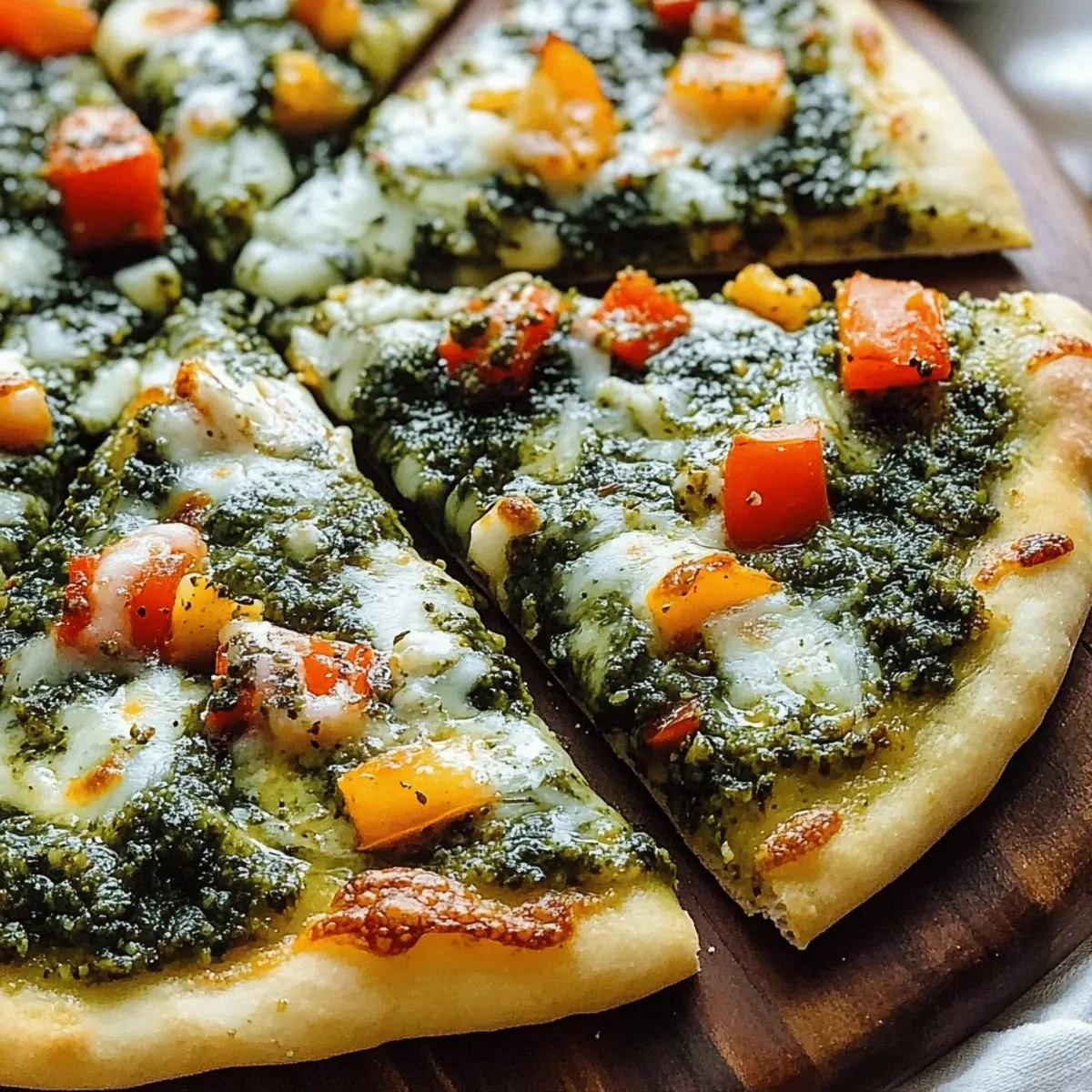
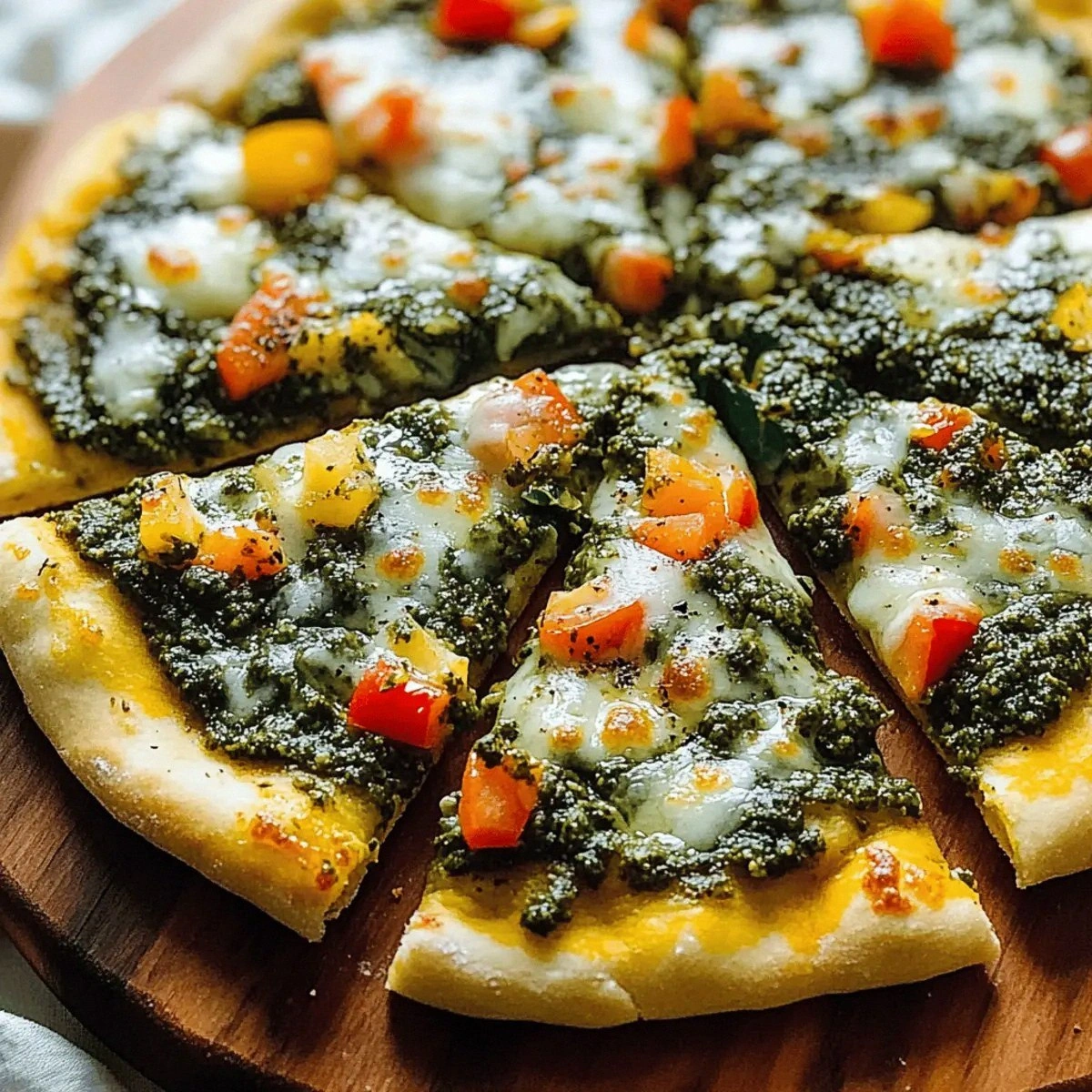
- Spread a generous layer of your kale pesto over the dough, leaving a half-inch border for the crust. Be more generous than you think — this isn't a delicate basil pesto that disappears under heat. Kale pesto holds its own and actually intensifies in flavor as it bakes. Add your cheese now, tearing fresh mozzarella into irregular pieces rather than shredding it. Those uneven bits create texture variation — some spots with golden brown blisters, others with soft, milky pools.
- Slide your pizza onto the hot stone or place your pan in the oven. Bake for 8-12 minutes, but start checking at 6 minutes. This next part? Pure magic. When the cheese is bubbling and the crust is golden with dark brown spots, it's ready. Those dark spots aren't burnt — they're flavor concentration that tastes like concentrated pizza essence. If you have a broiler, switch it on for the last minute to get that authentic pizzeria char on top.
- Remove and let rest for exactly 5 minutes. I know, I know — it smells incredible and you're starving. But cutting into hot pizza is like cutting into a water balloon. Everything runs everywhere and you end up with a sad, soggy mess. Those five minutes let the cheese set slightly and the crust finish crisping from residual heat. Use this time to pour yourself a glass of wine, snap a photo for the 'gram, or just hover over the counter inhaling the garlicky, cheesy aroma like a pizza-obsessed maniac.
That's it — you did it. But hold on, I've got a few more tricks that'll take this to another level...
Insider Tricks for Flawless Results
The Temperature Rule Nobody Follows
Your oven needs to be screaming hot — like, "I hope you have good ventilation" hot. Most home cooks chicken out at 425°F because they're worried about burning, but that temperature creates the perfect storm of crispy crust and melty cheese. The high heat cooks the pizza quickly so the crust crisps before the toppings dry out. If your oven maxes out at 450°F, add two extra minutes to the bake time, but keep that door closed. Every time you peek, you drop the temperature by 50 degrees and extend your cooking time. A friend tried skipping this step once — let's just say it didn't end well, and she ended up with a floppy crust that folded like a sad taco.
Why Your Nose Knows Best
Trust your sense of smell over kitchen timers. When the garlic in the pesto hits that perfect caramelization point, your kitchen fills with an aroma that makes neighbors knock on your door asking what you're making. That smell is your pizza telling you it's almost ready. The same goes for the nuts — when they smell toasted, they are toasted. Waiting for visual cues means you've already missed the optimal moment. Your nose has been fine-tuned by thousands of years of evolution to detect these exact flavors. Use it.
The 5-Minute Rest That Changes Everything
I cannot stress this enough — let your pizza rest for five minutes before slicing. This isn't some arbitrary food blogger rule; it's science. The cheese needs time to re-solidify slightly so it doesn't slide off with the first cut. The crust continues crisping from residual heat, transforming from good to "how is this crust so crispy?" Meanwhile, the flavors meld and intensify, turning individual ingredients into a cohesive symphony. Use this time to set the table, pour drinks, or just bask in the glory of what you've created. Future you, holding a slice that stays intact instead of collapsing into a cheesy landslide, will thank present you for the patience.
Creative Twists and Variations
This recipe is a playground. Here are some of my favorite ways to switch things up:
The Mediterranean Vacation
Add artichoke hearts, kalamata olives, and sun-dried tomatoes on top of the kale pesto. The briny, tangy flavors transport you straight to a Greek island, minus the expensive plane ticket. Finish with a crumble of feta instead of mozzarella for that salty, creamy contrast that makes each bite taste like you're dining cliffside in Santorini. The kale pesto holds up beautifully to these bold flavors, creating a pizza that's basically a Mediterranean party on dough.
The Breakfast Pizza Phenomenon
Top your kale pesto pizza with thinly sliced prosciutto and crack an egg right in the center before baking. The egg white sets while the yolk stays runny, creating a sauce that mingles with the garlicky pesto in ways that'll make you question why breakfast pizza isn't a universal law. Add some baby spinach leaves that wilt perfectly in the oven's heat. Break that yolk tableside and watch it create rivers of golden richness through the kale pesto valleys.
The Vegan Powerhouse
Skip the cheese entirely and load up with roasted vegetables — cauliflower florets, red onion slices, and chickpeas that crisp at the edges while staying creamy inside. The kale pesto is so flavorful that you won't miss the dairy. Add a drizzle of tahini-lemon sauce after baking for extra creaminess and a nutty depth that complements the pesto. Even devoted cheese lovers devour this version and ask for seconds, wondering how something vegan tastes so indulgent.
The Spicy Rebel
Add red pepper flakes to the pesto and top the pizza with spicy soppressata and pickled jalapeños. The kale's earthiness tames the heat while the garlic amplifies the spicy notes, creating a complex heat that builds slowly instead of assaulting your taste buds. Finish with a drizzle of hot honey that creates that sweet-heat balance that keeps you reaching for another slice even as your mouth tingles. If you've ever struggled with this balance, you're not alone — and I've got the fix.
The White Pizza Remix
Use the kale pesto as your base, then add ricotta dollops, fresh mozzarella, and a sprinkle of Parmesan. The triple-threat cheese situation creates different textures and flavors — creamy ricotta pools, stretchy mozzarella, and salty Parmesan crisps. Add some caramelized onions for sweetness that plays beautifully against the garlicky pesto. This version tastes like someone took your favorite spinach-artichoke dip and transformed it into pizza form, but better because kale pesto laughs at spinach's weak flavor attempts.
The Garden Harvest
In summer, top the pesto with fresh corn kernels, cherry tomato halves, and ribbons of zucchini. The vegetables roast quickly in the high heat, their natural sugars caramelizing while the kale pesto infuses everything with its garlicky goodness. Fresh basil leaves added after baking brighten the whole thing up. This is hands down the best version you'll ever make at home during peak summer when vegetables actually taste like they're supposed to.
Storing and Bringing It Back to Life
Fridge Storage
Store leftover pizza in an airtight container with a paper towel on top to absorb moisture — this prevents the crust from getting soggy and sad. It'll keep for up to four days, though let's be honest, it's never lasted that long in my house. The kale pesto actually improves with a day in the fridge, flavors melding together like they've been friends for years. Separate slices with parchment paper if you're stacking them, preventing that tragic moment when your perfect slice rips apart because it fused to its neighbor.
Freezer Friendly
Wrap individual slices in plastic wrap, then aluminum foil, creating a double barrier against freezer burn. They'll keep for up to three months, though after two months they start developing that freezer taste that makes you question your life choices. Freeze the kale pesto separately in ice cube trays — these pesto cubes transform ordinary pasta, eggs, or even toast into something that tastes like you planned it for days. Pro tip: label your freezer bags with the date. Future you, rummaging through the freezer at midnight, will appreciate this small kindness.
Best Reheating Method
Skip the microwave unless you enjoy pizza that tastes like steamed cardboard. Instead, reheat slices in a dry skillet over medium heat, covered with a lid. The bottom crisps up while the cheese melts, creating something that might be even better than the original — the kale pesto caramelizes slightly, developing deeper, more complex flavors. Add a tiny splash of water before covering — it steams back to perfection, recreating that fresh-from-the-oven magic. For larger portions, reheat in a 400°F oven directly on the rack for 6-8 minutes. Picture yourself pulling this out of the oven, the whole kitchen smelling incredible, and suddenly that leftover pizza doesn't feel like leftovers anymore.