I still remember the night balsamic glazed chicken changed my life. It was a Tuesday, the kind of Tuesday that drizzles gray from the sky and makes you question every life choice that led to your current takeout obsession. My fridge held four lonely chicken breasts, a bottle of balsamic vinegar older than my houseplant, and a sticky jar of honey that required Houdini-level maneuvers to open. Dinner felt like a punishment — until I started pouring, whisking, and tasting. Twenty minutes later, the sauce hit the pan, the kitchen filled with a scent so intoxicating my neighbors knocked to ask what restaurant I was hiding, and I stood over the stove eating crispy-edged chicken straight from the skillet like a feral raccoon who had just discovered civilization. I ate half the batch before anyone else got to try it, and I have zero regrets.
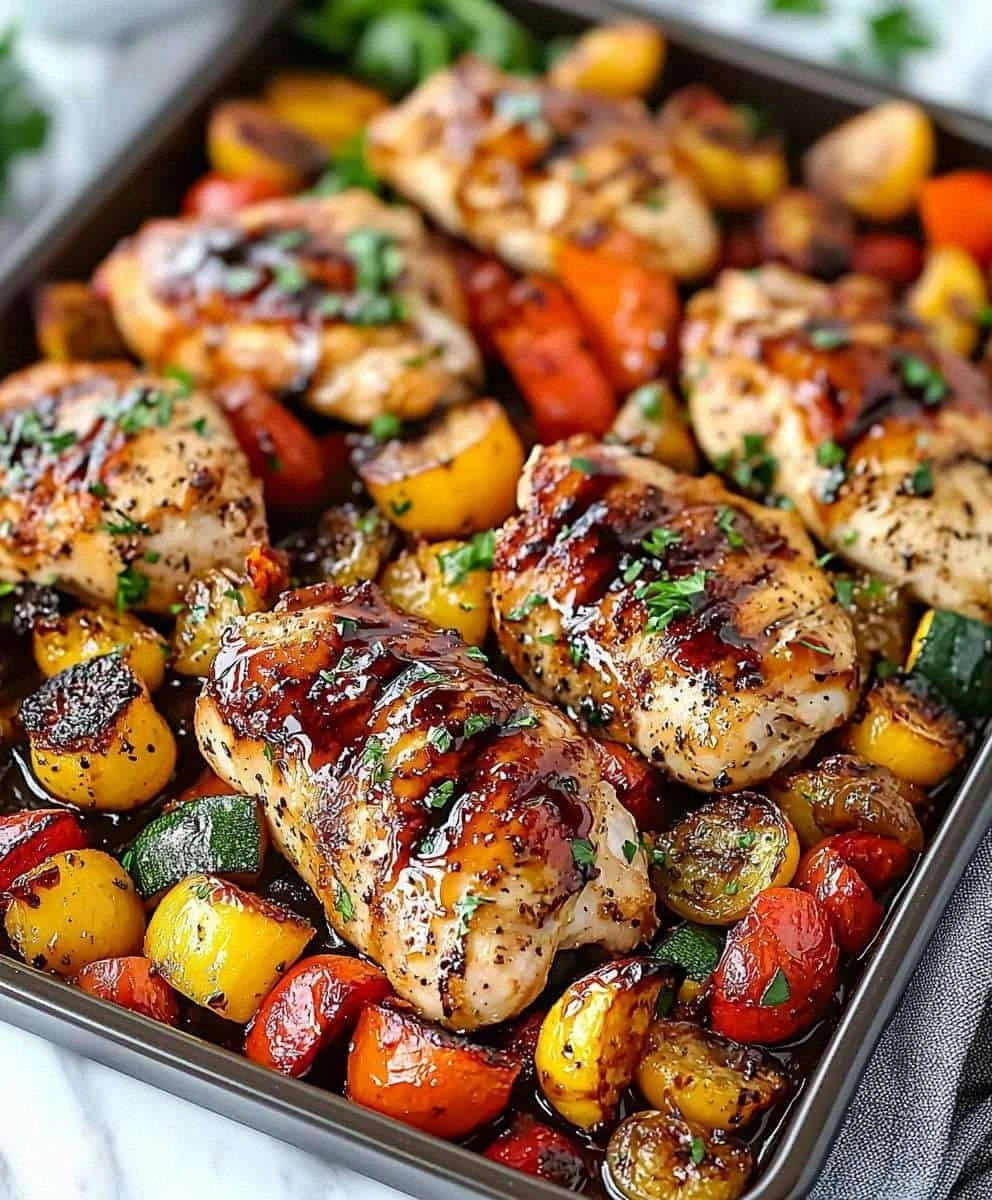
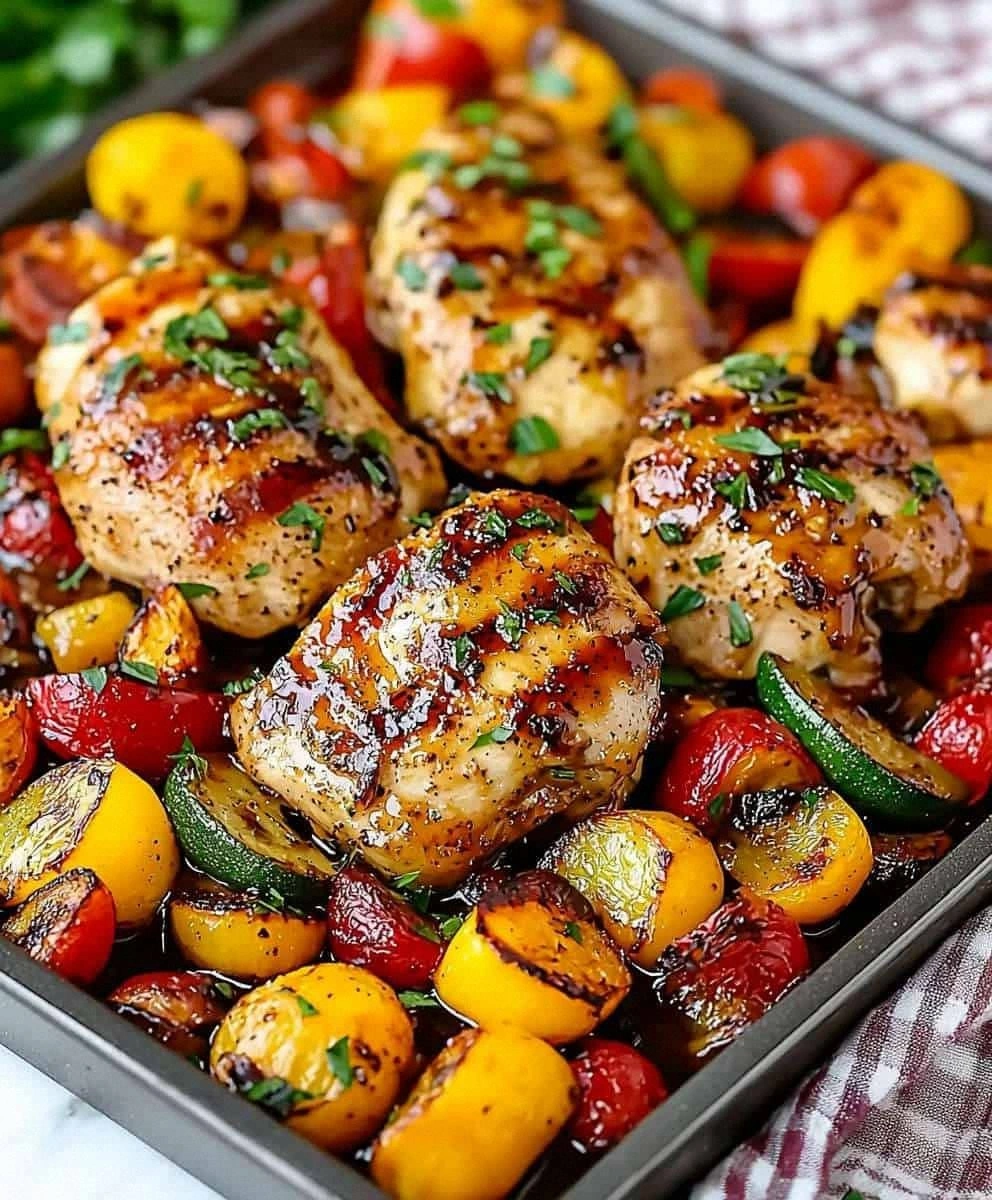
Most recipes get this completely wrong. They treat the glaze like an afterthought — a quick pour of vinegar and sugar tossed together like a sad salad dressing. What you end up with is a watery, overly sharp sauce that barely kisses the chicken before sliding off into a puddle of disappointment. This version? This is hands-down the best version you'll ever make at home. The glaze reduces into a glossy, mahogany cloak that clings to every ridge of the chicken, balancing sweet, tangy, and savory in a way that makes your taste buds do a standing ovation. The edges of the chicken caramelize into crispy lacy bits that shatter like thin ice, while the inside stays so juicy it practically sighs when you cut into it.
Picture yourself pulling this out of the oven, the whole kitchen smelling like a trattoria in Modena where nonnas whisper secrets to saucepans. The balsamic has deepened into something almost syrupy, the honey has rounded out all the sharp edges, and the garlic and herbs have turned into tiny flavor bombs that explode with every bite. That sizzle when it hits the pan? Absolute perfection. Okay, ready for the game-changer? Let me walk you through every single step — by the end, you'll wonder how you ever made it any other way.
What Makes This Version Stand Out
Before we dive into the nitty-gritty, let's talk about why this balsamic glazed chicken deserves permanent residency in your weekly rotation. I've tested this recipe more times than I care to admit (my family staged an intervention after the eighth consecutive week), and each iteration taught me something new about what separates good from unforgettable.
- Taste Explosion: The glaze hits every note — bright acidity from aged balsamic, floral sweetness from wildflower honey, earthy depth from fresh garlic, and herbaceous perfume from rosemary and thyme. It's like a symphony where every instrument gets a solo.
- Texture Perfection: We're talking crispy, lacquered edges that crack under your fork, revealing chicken so tender it pulls apart with a gentle nudge. No dry, stringy meat here — just juicy perfection that makes dental floss obsolete.
- One-Pan Simplicity: Everything happens in a single skillet, which means fewer dishes and more time for important things like licking the glaze off your fingers. The chicken gets seared, the glaze gets made, the magic happens — all in one vessel.
- Weeknight Warrior: From fridge to table in 45 minutes flat, this recipe laughs in the face of hangry family members and last-minute dinner guests. It's fancy enough for company but easy enough for a Tuesday when you can barely remember your own name.
- Leftover Legend: Cold from the fridge at 2 AM? Still incredible. Sliced over salads? Transcendent. Shredded into quesadillas? You're officially a genius. This chicken plays well with everything in your kitchen.
- Crowd-Pleasing Power: I've served this to picky toddlers, skeptical teenagers, and that one uncle who claims everything is "too fancy." They all cleaned their plates and asked for seconds. If this chicken were running for office, it would win by a landslide.
- Ingredient Integrity: No bottled dressings, no mystery packets, no ingredients you can't pronounce. Just real food that your grandmother would recognize, transformed into something that tastes like it came from a Michelin-starred trattoria.
- Make-Ahead Magic: The glaze can be prepped days ahead, the chicken can marinate overnight, and the whole thing reheats like a dream. Perfect for meal prep Sundays or entertaining without the stress.
Alright, let's break down exactly what goes into this masterpiece...
Inside the Ingredient List
Great cooking starts with understanding your ingredients like they're characters in a novel. Each one has a backstory, a motivation, and a crucial role to play in the final drama. Skip one, and the whole plot falls apart. Let's meet the cast of characters that'll transform your ordinary chicken into something that belongs on a magazine cover.
The Flavor Foundation
The chicken breasts are obviously the star, but not all breasts are created equal. Look for plump, rosy ones that feel firm and smell like nothing at all — if they smell like anything, they're past their prime. I prefer organic, air-chilled chicken because it hasn't been pumped full of water that'll steam instead of sear. Size matters here: aim for 6-8 ounce portions that are evenly thick. If they're shaped like ski slopes, pound them gently between plastic wrap until they're uniform. This isn't about aggression — it's about ensuring every bite cooks at the same rate, preventing the tragic scenario where one end is dry before the other is done.
Balsamic vinegar is where most people go tragically wrong. That $3 bottle labeled "balsamic" that's actually just red wine vinegar with caramel coloring? Leave it on the shelf for cleaning windows. Real balsamic vinegar of Modena should coat the back of a spoon like liquid velvet, with a complex sweetness that makes you want to drink it straight. Look for bottles that list "grape must" as the first ingredient and aged for at least 12 years. Yes, it's expensive, but you're using a cup here, not a barrel. The difference between real and fake balsamic is like the difference between a symphony and a kazoo.
The Sweetness Squad
Honey isn't just honey — it's liquid geography. Wildflower honey brings floral notes that dance with the balsamic's acidity, while clover honey is too one-note and orange blossom can overpower. Avoid the squeeze bear; it's been processed within an inch of its life. Raw, local honey if you can find it, but any decent wildflower honey will make the glaze sing. The honey doesn't just sweeten — it creates that gorgeous lacquer because the natural sugars caramelize into a shiny shell that would make a sports car jealous.
The Aromatics Army
Garlic, but not just any garlic. Fresh cloves, firm and plump, with no green shoots growing from the center (that's old garlic getting bitter). Mince it fine so it melts into the sauce rather than burning into bitter nuggets. The garlic's role is to provide backbone — that savory depth that makes people say "I can't quite place it, but this tastes amazing." It's the bass line in this flavor band, subtle but essential.
Dried thyme and rosemary are the dynamic duo of herbs. Thyme brings earthy, slightly minty notes that bridge sweet and savory, while rosemary contributes piney, almost citrusy brightness. Don't substitute fresh here — dried herbs have concentrated oils that stand up to the long simmer, while fresh would turn brown and sad. Crush them between your palms before adding to wake up their essential oils. It's like stretching before exercise; it prevents injury (to your taste buds).
The Unexpected Star
Olive oil might seem basic, but it's the difference between chicken that tastes like it came from a restaurant versus chicken that tastes like it came from a college dorm. Use a decent extra-virgin olive oil — something fruity and green, not the bottle that's been sitting above your stove since 2019. The oil carries flavors, prevents sticking, and helps create that gorgeous golden crust that makes people think you went to culinary school.
Everything's prepped? Good. Let's get into the real action...
The Method — Step by Step
- Start with the chicken at room temperature — cold meat hitting a hot pan is like jumping into a cold pool; it shocks everything and causes uneven cooking. Pat those breasts dry with paper towels like you're trying to win a drying competition. Moisture is the enemy of browning, and we want golden, crispy edges that would make a food stylist weep with joy. Season both sides generously with salt and pepper; this isn't the time to be shy. Think of salt as a flavor amplifier — without it, even the best ingredients taste flat and uninspired.
- Heat your largest heavy-bottomed skillet over medium-high heat for a full two minutes. Add the olive oil and watch for it to shimmer like a mirage — that's when you know it's ready. If the oil smokes, the pan's too hot; pour it out, wipe the pan, and start over. Lay the chicken in gently, away from you to prevent splatter burns that would ruin your dinner and your day. Don't crowd the pan or the chicken will steam instead of sear; work in batches if necessary. That sizzle when it hits the pan? Absolute perfection. It should sound like applause.
- Now, here's where patience pays off — don't touch that chicken for a solid 5-6 minutes. I know you want to peek, poke, and prod, but leave it alone. The chicken will tell you when it's ready to flip; it'll release easily from the pan when that gorgeous golden crust has formed. If it sticks, it's not ready. Walk away if you must, but resist the urge to meddle. This is the moment of truth where flavor foundations are built.
- While the chicken sears, whisk together the balsamic vinegar, honey, garlic, thyme, and rosemary in a small bowl. The honey will resist mixing at first — keep whisking like you're trying to win a arm wrestling match. The acid in the vinegar will eventually break down the honey's structure, creating a cohesive sauce that looks like liquid garnet. Taste it now if you dare; it'll be sharp and aggressive, like a teenager with opinions. Don't worry — heat will transform it into something magical.
- Flip the chicken and sear the second side for 4-5 minutes. It won't get as deeply colored as the first side, and that's perfect. Remove the chicken to a plate — it won't be fully cooked yet, and that's intentional. Those carry the flavor memories of the sear while making room for the glaze to work its magic. Don't you dare wash that pan; those brown bits are liquid gold, packed with concentrated chicken flavor that'll make your sauce taste like it simmered for hours.
- Reduce the heat to medium and pour the balsamic mixture into the same skillet. It should bubble enthusiastically but not furiously — think spa day, not volcano. Use a wooden spoon to scrape up all those glorious brown bits (called fond) from the bottom. They're like little flavor bombs that'll explode in your mouth later. The sauce will start to thicken and darken, going from bright ruby to deep mahogany. This transformation takes about 3-4 minutes, during which your kitchen will smell like an Italian grandmother's secret lair.
- Return the chicken to the pan, nestling it into the sauce like you're tucking it into bed. Spoon some glaze over the top and let everything simmer together for 5-7 minutes, turning once. The chicken should reach 165°F internally, but more importantly, the sauce should coat the back of a spoon like warm maple syrup. If it gets too thick, add a splash of water. Too thin? Keep simmering. The glaze should cling to the chicken like a jealous ex.
- This next part? Pure magic. Remove the pan from heat and let the chicken rest for 5 minutes. I know you're hungry, I know it smells incredible, but resting allows the juices to redistribute instead of flooding your cutting board. During this time, the glaze will thicken even more, becoming that gorgeous sticky coating that makes people close their eyes when they take the first bite. Garnish with fresh basil if you're feeling fancy, or just stand over the pan with a fork like a civilized human.
- Serve this beauty over creamy polenta, fluffy rice, or just with crusty bread to mop up every last drop of that incredible sauce. I dare you to taste this and not go back for seconds. Actually, I double-dog dare you. The combination of crispy edges, juicy interior, and that sticky-sweet-tangy glaze is so addictive, you'll find yourself making extra just for leftovers. And now the fun part — I've got a few more tricks that'll take this to another level...
That's it — you did it. But hold on, I've got a few more tricks that'll take this to another level...
Insider Tricks for Flawless Results
After making this recipe more times than my cardiologist recommends, I've discovered some game-changing techniques that separate good balsamic chicken from the kind that makes people propose marriage. These aren't just tips — they're the secrets that'll make you the legend of potluck dinners and family gatherings.
The Temperature Rule Nobody Follows
Here's the thing about chicken — it needs to be treated like the diva it is. Room temperature chicken cooks evenly, preventing the dreaded scenario where the outside is Sahara-dry while the inside is still doing an impression of pink bubblegum. Take your chicken out of the fridge 30 minutes before cooking. I know, I know, planning ahead is hard. But this single step prevents the glaze from burning while you're waiting for the center to cook through. A friend tried skipping this step once — let's just say it didn't end well, and we still don't talk about "the incident."
Why Your Nose Knows Best
Trust your senses more than your timer. When the glaze is ready, it'll smell like balsamic caramel with hints of herbs — not sharp vinegar. It should coat a spoon and leave a trail when you drag your finger through it. If it smells like you're cleaning windows, keep reducing. If it smells like you're in an Italian candy shop, you've arrived at flavor town. The honey will start to smell like toasted marshmallows, and that's your cue that magic is happening.
The 5-Minute Rest That Changes Everything
I cannot stress this enough — resting is not optional. It's like the difference between a good nap and a great night's sleep. When you let the chicken rest in the glaze for 5 minutes off heat, two things happen: the juices redistribute (no more dry chicken), and the glaze thickens to the perfect consistency. If you slice immediately, all those beautiful juices run out, leaving you with sad, dry meat and a puddle of wasted potential on your cutting board. Patience, grasshopper — your taste buds will thank you.
The Pan Choice That Makes or Breaks You
Use a pan that's too small, and you're steaming chicken in its own sadness. Use non-stick, and you'll never get those gorgeous brown bits that make the sauce taste like liquid gold. A 12-inch stainless steel or cast iron skillet is your sweet spot — big enough for all four breasts without crowding, heavy enough to maintain heat when you add the cold glaze. If you've ever struggled with this, you're not alone — and I've got the fix. The right pan is like the right dance partner; it makes everyone look good.
The Honey Swap That'll Blow Your Mind
While we're being honest about our addictions, try swapping half the honey with maple syrup sometime. The maple adds smoky, caramel notes that play beautifully with the balsamic, creating a more complex flavor profile that tastes like autumn in New England. Brown rice syrup works too, giving a malty depth that's downright addictive. Just don't use agave — it burns faster than gossip spreads at a family reunion.
Creative Twists and Variations
This recipe is a playground. Here are some of my favorite ways to switch things up:
The Spicy Rebel
Add a teaspoon of red pepper flakes to the glaze, or better yet, steep a dried chili de arbol in the balsamic while it reduces. The heat cuts through the sweetness like a knife through butter, creating that sweet-heat balance that keeps you coming back for "just one more bite" until the platter is embarrassingly empty. Serve with cooling cucumber salad to keep your palate guessing.
The Mediterranean Vacation
Swap the thyme and rosemary for oregano and basil, add a handful of halved cherry tomatoes to the pan during the last 5 minutes, and finish with crumbled feta instead of basil. Suddenly you're dining on a Greek island, watching the sunset while bouzouki music plays in the background. The tomatoes burst and create little pockets of sweetness that complement the glaze perfectly.
The Asian Fusion Fantasy
Replace half the balsamic with rice vinegar, swap honey for mirin, add a tablespoon of soy sauce and a teaspoon of sesame oil. Garnish with sesame seeds and scallions. The umami bomb created by this combination will make you question everything you thought you knew about fusion cooking. It's like your chicken went on vacation and came back with stories.
The Fall Harvest Edition
Add diced apples and shallots to the pan after searing the chicken. Let them caramelize before adding the glaze. The apples absorb the sauce and become little flavor grenades, while the shallots melt into sweet, jammy perfection. Serve over wild rice with dried cranberries for a dish that tastes like Thanksgiving got an Italian makeover.
The Smoky Backyard Hero
Make the glaze as directed, but brush it on chicken thighs during the last 10 minutes of grilling. The smoke from the grill adds another dimension entirely, while the glaze caramelizes into sticky perfection. Just keep the heat medium-low to prevent burning — honey on a hot grill can go from perfect to carbonized faster than you can say "where's the fire extinguisher?"
The Fancy Date Night Version
Use chicken tenders instead of breasts, cook them faster, and serve them as appetizers with the glaze as a dipping sauce. Add a splash of balsamic to heavy cream, whip it into a sauce, and drizzle it artistically on the plate. Suddenly you're not just making dinner — you're creating an experience that says "I love you" in the language of food.
Storing and Bringing It Back to Life
Fridge Storage
Store leftovers in an airtight container for up to 4 days, though let's be honest — it never lasts that long. Keep the chicken submerged in some of the glaze to prevent drying out. The sauce will thicken considerably when cold, but don't panic. When reheating, add a tiny splash of water or chicken stock to loosen it back to its former glory. Pro tip: slice the chicken before storing; it reheats more evenly and the increased surface area means more glaze coverage per bite.
Freezer Friendly
This dish freezes beautifully for up to 3 months, making it perfect for meal prep Sundays. Freeze individual portions with some extra sauce in freezer bags, laying them flat to save space. Thaw overnight in the fridge, then reheat gently in a covered skillet with a splash of water. The glaze might separate slightly, but a quick whisk brings it back together. It's like having a gourmet meal waiting in your freezer for those nights when cooking feels like climbing Everest.
Best Reheating Method
Microwave is the enemy of crispy edges, so skip it unless you enjoy rubbery chicken. Instead, reheat in a covered skillet over medium-low heat with a splash of water or chicken stock. The steam will reheat the chicken gently while the glaze reconstitutes. For extra crispy edges, uncover during the last 2 minutes and let the glaze caramelize again. Add a tiny splash of water before reheating — it steams back to perfection, restoring that just-cooked texture that makes leftovers feel like intentional meal planning rather than sad necessity.