I dared myself to turn a boring weeknight dinner into a culinary showdown, and the result was nothing short of a knockout. Picture this: a pan full of salmon that had been overcooked and dry, a sauce that tasted like a sad, watery mayo, and a lingering feeling that something spectacular was missing. I was standing in my kitchen, the timer buzzing like an impatient drum, when a friend shouted, “You’ve got to bake those meatballs, not fry them!” I rolled my eyes, but curiosity won, and that’s when the magic began. I tossed the salmon into a bowl, added breadcrumbs, and whispered a promise to the universe that this would be the best version you’ll ever make at home.
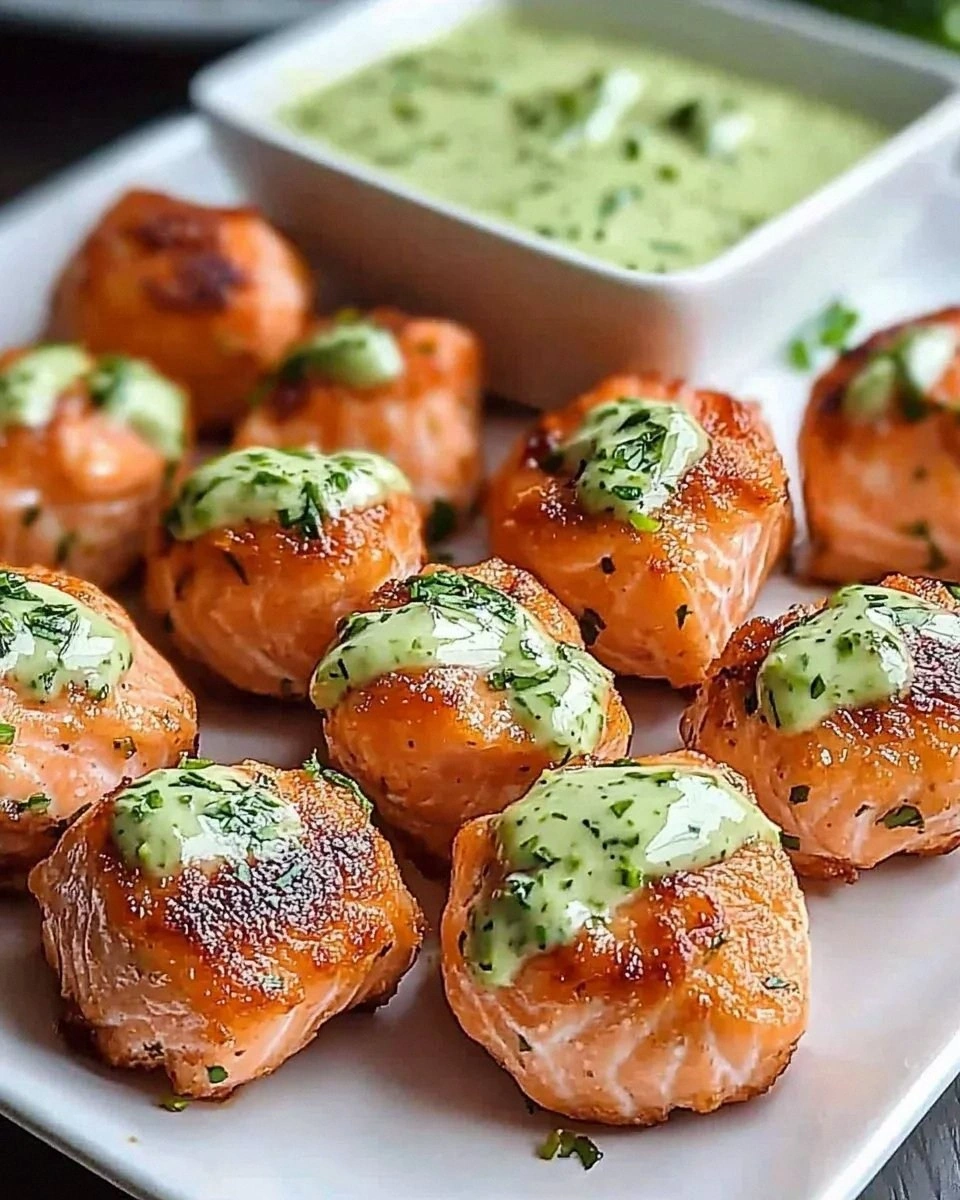
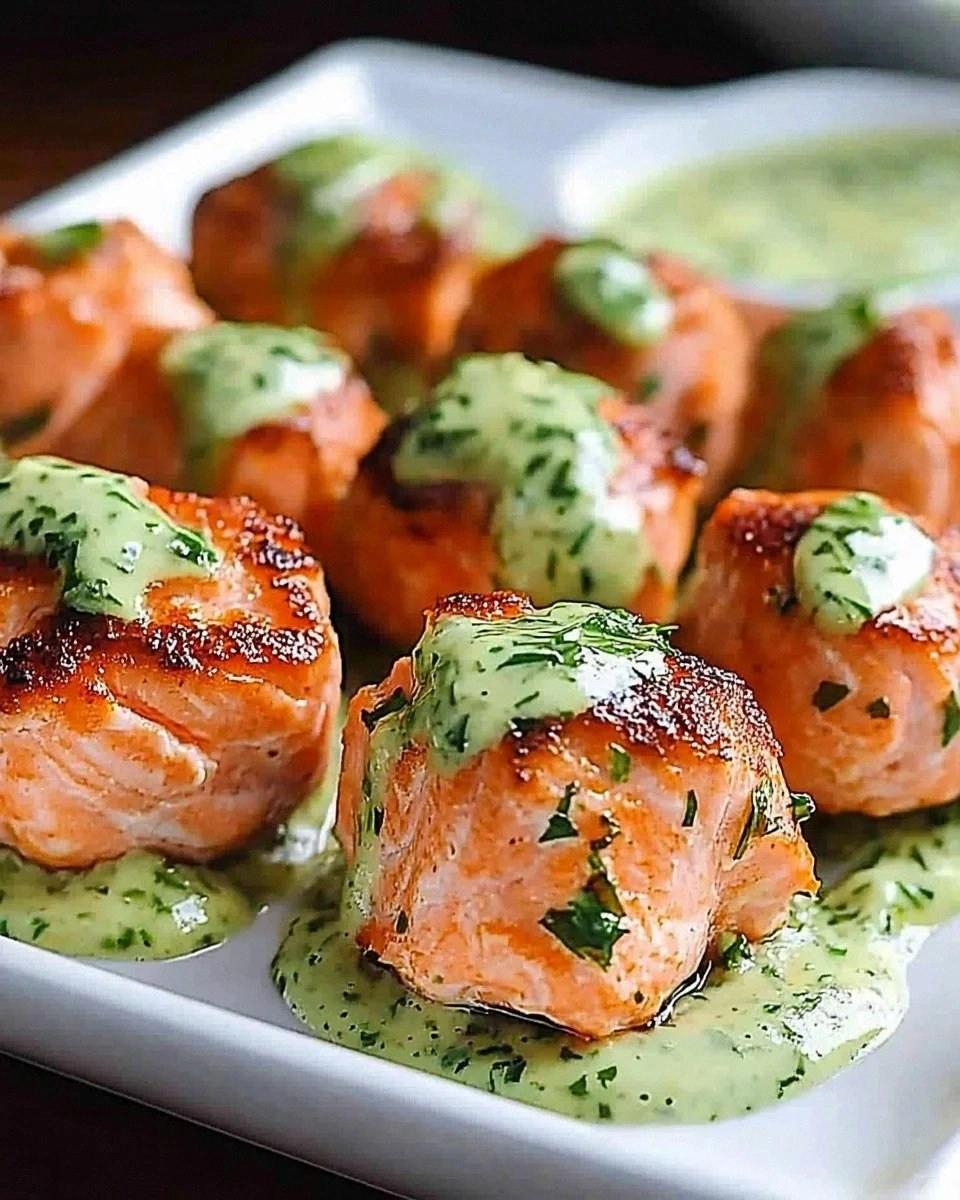
Fast forward to the moment I pulled the golden‑brown meatballs out of the oven, their edges crisping like thin ice that shatters under a gentle tap. The aroma hit me like a wave of fresh sea breeze mixed with a hint of toasted herbs, and I could already taste the buttery avocado sauce coating each bite like velvet. The sauce itself is a daring blend of ripe avocado, tangy lemon, and a whisper of garlic that makes your palate do a little happy dance. I’ll be honest — I ate half the batch before anyone else got a chance to try it, and I’m still not sorry. If you’ve ever struggled with soggy fish balls or bland sauces, you’re not alone — and I’ve got the fix.
Most recipes get this completely wrong. They either over‑mix the salmon, turning it into a mushy paste, or they drown the delicate flavor with heavy cream. Here’s what actually works: a light hand with the breadcrumbs, a quick bake at a scorching 425°F, and a sauce that stays bright and fresh, never heavy. The secret weapon? A splash of olive oil in the meatball mix that gives you that subtle crisp without deep‑frying, and a dash of lemon juice in the avocado sauce that cuts through the richness like a razor‑sharp knife. This is hands down the best version you’ll ever make at home, and I dare you to taste it and not go back for seconds.
Let me walk you through every single step — by the end, you’ll wonder how you ever made it any other way. Okay, ready for the game‑changer? This next part? Pure magic. Stay with me here — this is worth it.
What Makes This Version Stand Out
- Taste: The combination of fresh salmon and a bright avocado sauce creates a flavor profile that dances between oceanic richness and garden‑fresh zing.
- Texture: Baking gives the meatballs a crisp outer shell while keeping the interior tender and flaky, like a perfectly seared scallop.
- Simplicity: Fewer than fifteen ingredients and a single oven tray mean you spend less time scrubbing and more time savoring.
- Uniqueness: The avocado sauce replaces traditional dairy‑heavy dressings, delivering a silky mouthfeel without the heaviness.
- Crowd Reaction: Guests invariably ask for the recipe, and you’ll watch them go back for another helping with a grin that says, “Again, please!”
- Ingredient Quality: Using a fresh, wild‑caught salmon fillet elevates the dish from everyday to restaurant‑level.
- Cooking Method: Baking at high heat locks in juices, while the sauce stays cool, creating a delightful temperature contrast.
- Make‑Ahead Potential: The meatballs freeze beautifully, and the sauce can be whipped up a day ahead for maximum flavor development.
Inside the Ingredient List
The Flavor Base
The fresh parsley and garlic powder are the unsung heroes that bring a herbaceous brightness to each bite. Parsley’s slightly peppery notes cut through the richness of the salmon, while garlic powder adds depth without the harsh bite of fresh garlic. If you’re out of fresh parsley, a tablespoon of dried Italian herbs works in a pinch, though the flavor will be a shade less vibrant. Selecting a salmon fillet with a firm, pink flesh ensures the meat holds together during mixing; a soft, mushy piece will disintegrate and ruin the texture.
The Texture Crew
Breadcrumbs act as the glue that binds the salmon together, providing a subtle crunch on the outside once baked. Opt for panko for an extra airy crust, or use gluten‑free breadcrumbs if you’re avoiding wheat. The egg is the binding agent that keeps everything from falling apart; a large egg works perfectly, but if you’re making a dairy‑free version, a flax egg (1 tbsp ground flax + 3 tbsp water) can substitute without compromising structure. Salt and pepper to taste are your personal seasoning knobs—don’t be shy, they’re essential for bringing out the natural oceanic flavor.
The Unexpected Star
Avocado is the secret weapon that transforms a regular sauce into a creamy, dreamy dip without the need for heavy cream. Its natural fats give the sauce a luxurious mouthfeel, while the lemon juice adds a zing that prevents the avocado from turning brown. If you’re allergic to avocado, substitute with silken tofu blended with a splash of lime for a similarly smooth texture. A ripe avocado should yield gently to pressure; too firm and the sauce will be grainy, too soft and it will be watery.
The Final Flourish
A drizzle of olive oil into the meatball mixture ensures the exterior gets that coveted golden crust without the need for deep frying. The sour cream adds a subtle tang that balances the avocado’s richness, while the extra clove of garlic in the sauce gives a fragrant punch that lingers on the palate. Remember, the key to a perfect sauce is to blend everything until silky smooth; a quick pulse in a food processor works best, but a hand blender gives you more control over texture. Finally, a final sprinkle of fresh parsley on the plated dish adds a pop of color and a fresh aromatic finish.
Everything's prepped? Good. Let’s get into the real action…
The Method — Step by Step
-
Preheat your oven to a blistering 425°F (220°C). While the oven warms, line a baking sheet with parchment paper and lightly brush it with olive oil; this prevents sticking and gives the meatballs a subtle sheen. The heat will be high enough to create that coveted caramelized exterior, but not so high that the inside dries out. Feel the anticipation building? That sizzle when the first meatball hits the tray? Absolute perfection.
Kitchen Hack: Place the parchment‑lined sheet on a cooling rack before baking; the air circulates all around the meatballs, ensuring an even golden crust. -
Dice the salmon fillet into roughly 1‑inch pieces, then pulse in a food processor for just 5‑6 seconds. You want the fish to be broken down but still retain tiny flecks for texture. Transfer the salmon to a large bowl and gently fold in the breadcrumbs, egg, parsley, garlic powder, paprika, and a generous pinch of salt and pepper. The mixture should feel slightly sticky but not wet; if it’s too dry, add a splash of olive oil, if too wet, sprinkle a bit more breadcrumbs.
-
Using your hands, roll the mixture into uniform balls about the size of a golf ball—approximately 1½ inches in diameter. This uniformity ensures they bake evenly, giving each bite the same perfect crunch‑to‑tender ratio. Place the balls on the prepared baking sheet, leaving a half‑inch gap between each. If you’re making a larger batch, line a second sheet; overcrowding leads to steaming instead of browning.
Watch Out: Over‑mixing the salmon mixture can cause the meatballs to become dense and rubbery; fold gently. -
Slide the tray into the preheated oven and bake for 12‑15 minutes, then flip each meatball and bake an additional 8‑10 minutes. You’re looking for a deep amber hue and edges that begin to pull away from the parchment. The interior should reach an internal temperature of 145°F (63°C). The moment the meatballs start to brown, you’ll hear a faint crackle—trust that sound, it’s the flavor locking in.
-
While the meatballs are finishing, prepare the creamy avocado sauce. In a blender, combine the ripe avocado, sour cream, lemon juice, garlic clove, a pinch of salt, and a dash of pepper. Blend on high until the mixture is smooth, glossy, and free of lumps. Taste and adjust the acidity with a few more drops of lemon if needed; the sauce should be bright, not heavy.
Kitchen Hack: Add a tablespoon of cold water to the sauce if it thickens too much; it will stay silky and easy to drizzle. -
When the meatballs are done, remove them from the oven and let them rest for three minutes. This short rest lets the juices redistribute, preventing a dry bite. Meanwhile, give the sauce a quick stir—its texture should be creamy enough to coat a spoon without sliding off.
-
Arrange the meatballs on a serving platter, drizzle generously with the avocado sauce, and garnish with a sprinkle of fresh parsley and a light drizzle of olive oil for shine. The contrast between the hot, crisp meatballs and the cool, buttery sauce creates a sensory fireworks display in your mouth.
-
Serve immediately with a side of mixed greens, roasted veggies, or even a simple quinoa pilaf. Picture yourself pulling this out of the oven, the whole kitchen smelling incredible, and your guests leaning in for that first bite. That’s the moment of truth, and trust me, you’ve nailed it. That’s it — you did it. But hold on, I’ve got a few more tricks that’ll take this to another level…
Insider Tricks for Flawless Results
The Temperature Rule Nobody Follows
Most home cooks set their ovens to “medium” and wonder why the meatballs turn out soggy. The secret is a high‑heat blast: 425°F is hot enough to sear the exterior while keeping the interior moist. If you have a convection setting, drop the temperature by 25°F and keep the same time; the fan circulates hot air and gives an even crust. I once tried a lower temperature to “be gentle” and ended up with a mushy mess—lesson learned.
Why Your Nose Knows Best
Don’t rely solely on a timer; trust the aroma. When the meatballs start to smell nutty and slightly caramelized, you’re close. The edges will pull away from the parchment, and a faint crackle will announce the perfect moment. If you’re unsure, use a quick poke with a skewer; the juices should run clear, not pink.
The 5‑Minute Rest That Changes Everything
Resting isn’t just for steaks. Letting the baked salmon meatballs sit for a brief three‑to‑five minutes after oven removal allows the protein fibers to relax, locking in moisture. Skipping this step results in a dry bite, especially if you’re serving them hot. While they rest, give the avocado sauce a quick whisk to keep it glossy.
Avocado Armor
To keep the avocado sauce from turning brown, add the lemon juice right at the start of blending. The acid slows oxidation, preserving that vibrant green color for up to two hours. If you need to make the sauce ahead of time, store it in an airtight container with a thin layer of olive oil on top; the oil creates a barrier against air.
Breadcrumb Boost
For an extra crunch, toast the breadcrumbs lightly in a dry skillet before folding them into the salmon. This adds a nutty depth that you won’t get from raw breadcrumbs. I tried this once and the texture difference was night and day—like swapping plain paper for textured cardstock.
Creative Twists and Variations
This recipe is a playground. Here are some of my favorite ways to switch things up:
Spicy Sriracha Swirl
Add a teaspoon of sriracha to the avocado sauce and a pinch of cayenne to the meatball mix. The heat pairs beautifully with the cool avocado, creating a sweet‑heat balance that will have spice lovers cheering.
Mediterranean Medley
Swap the parsley for fresh basil, stir in chopped sun‑dried tomatoes into the meatball mixture, and finish with a drizzle of olive tapenade on top. The result is a sun‑kissed bite reminiscent of a seaside tavern.
Coconut Curry Fusion
Replace the sour cream with coconut yogurt, add a dash of curry powder to the meatball blend, and garnish with toasted coconut flakes. The aromatic curry notes elevate the dish to an exotic experience.
Cheesy Delight
Fold in a quarter cup of grated Parmesan into the salmon mixture and top the baked meatballs with a light sprinkle of mozzarella before the final five minutes of baking. The cheese melts into a golden crust that adds a comforting richness.
Herb‑Infused Green Sauce
Blend the avocado with fresh cilantro, a handful of spinach, and a splash of lime juice instead of lemon. This green goddess version adds an earthy undertone and a vibrant color that’s perfect for spring gatherings.
Storing and Bringing It Back to Life
Fridge Storage
Place the cooled meatballs in an airtight container, drizzle a thin layer of olive oil on top to prevent drying, and store for up to three days. The sauce can be kept in a separate sealed jar; give it a quick stir before serving.
Freezer Friendly
Freeze the uncooked meatballs on a parchment‑lined tray, then transfer to a zip‑top bag. They’ll keep for up to two months. When ready, bake from frozen at 425°F for 20‑25 minutes, adding a splash of water to the sauce before reheating to restore its silky texture.
Best Reheating Method
To revive leftovers, arrange the meatballs on a baking sheet, cover loosely with foil, and warm in a 350°F oven for 10‑12 minutes. Add a tiny splash of water to the avocado sauce and microwave for 15 seconds, then whisk—this steams the sauce back to its original creaminess without separating.